

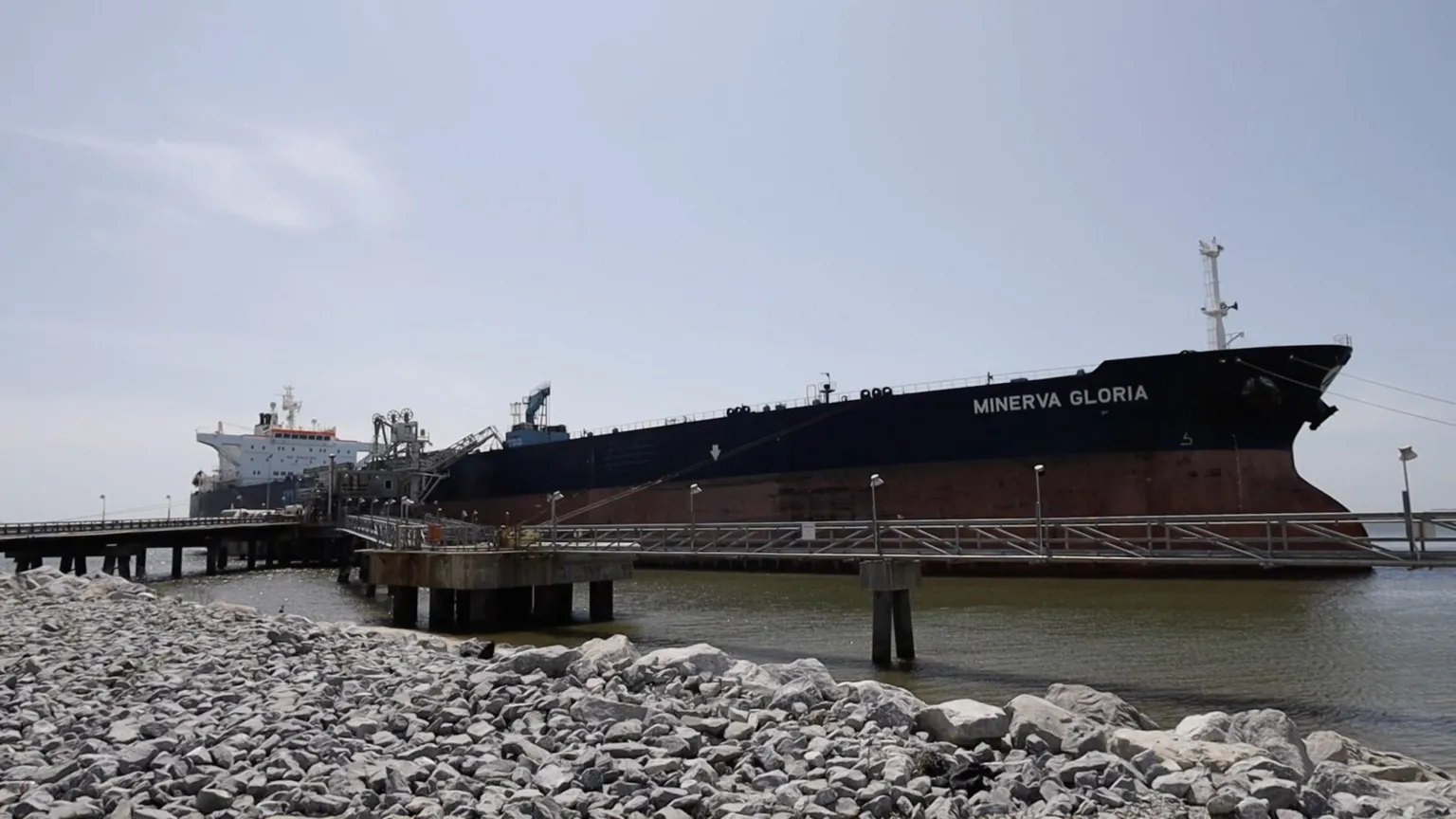
A major shift is underway in global energy flows, as the United States begins processing oil from Venezuela again—something that would have been unthinkable just months ago.
At the centre of this is Chevron, whose refinery in Pascagoula, Mississippi, is now handling large shipments of Venezuelan crude. One tanker alone recently delivered about 400,000 barrels, marking a significant restart in oil trade between the two countries after years of sanctions and political tension.
This shift follows dramatic geopolitical changes, including the removal of Nicolás Maduro and a policy pivot by Donald Trump, who moved to tap into Venezuela’s vast oil reserves—the largest in the world. As a result, Venezuela’s oil exports have rebounded to over one million barrels per day for the first time in months.
The timing is critical. With global energy markets shaken by conflict in the Middle East—especially disruptions around the Strait of Hormuz—the US is looking closer to home (and its allies) for more stable supply. Venezuelan oil offers exactly that, even if it comes with challenges.
Unlike lighter crude, Venezuelan oil is thick, heavy, and high in sulphur. It’s harder and more expensive to refine—but US facilities like Chevron’s Pascagoula plant were specifically built to handle this type of crude. That gives the company a strategic advantage: it can extract oil in Venezuela, ship it, refine it, and sell it in the US—all within its own network.
Chevron is already importing around 250,000 barrels per day and says it could increase that to as much as 400,000. More supply would normally mean lower fuel prices—but that hasn’t happened yet.
The reason is simple: oil prices are global. Even if the US has access to more crude, prices are still influenced by worldwide supply disruptions, especially conflicts affecting major routes like Hormuz. So while Venezuelan oil is flowing again, the benefits are being masked by broader market pressures.
For everyday consumers, that means petrol prices remain high—for now. Industry leaders believe that if global tensions ease, the added supply from Venezuela could eventually bring prices down. But until then, the impact will be limited.
In short, the US has found a new (old) source of oil—but in a tightly connected global market, more supply doesn’t automatically translate into cheaper fuel overnight.

