

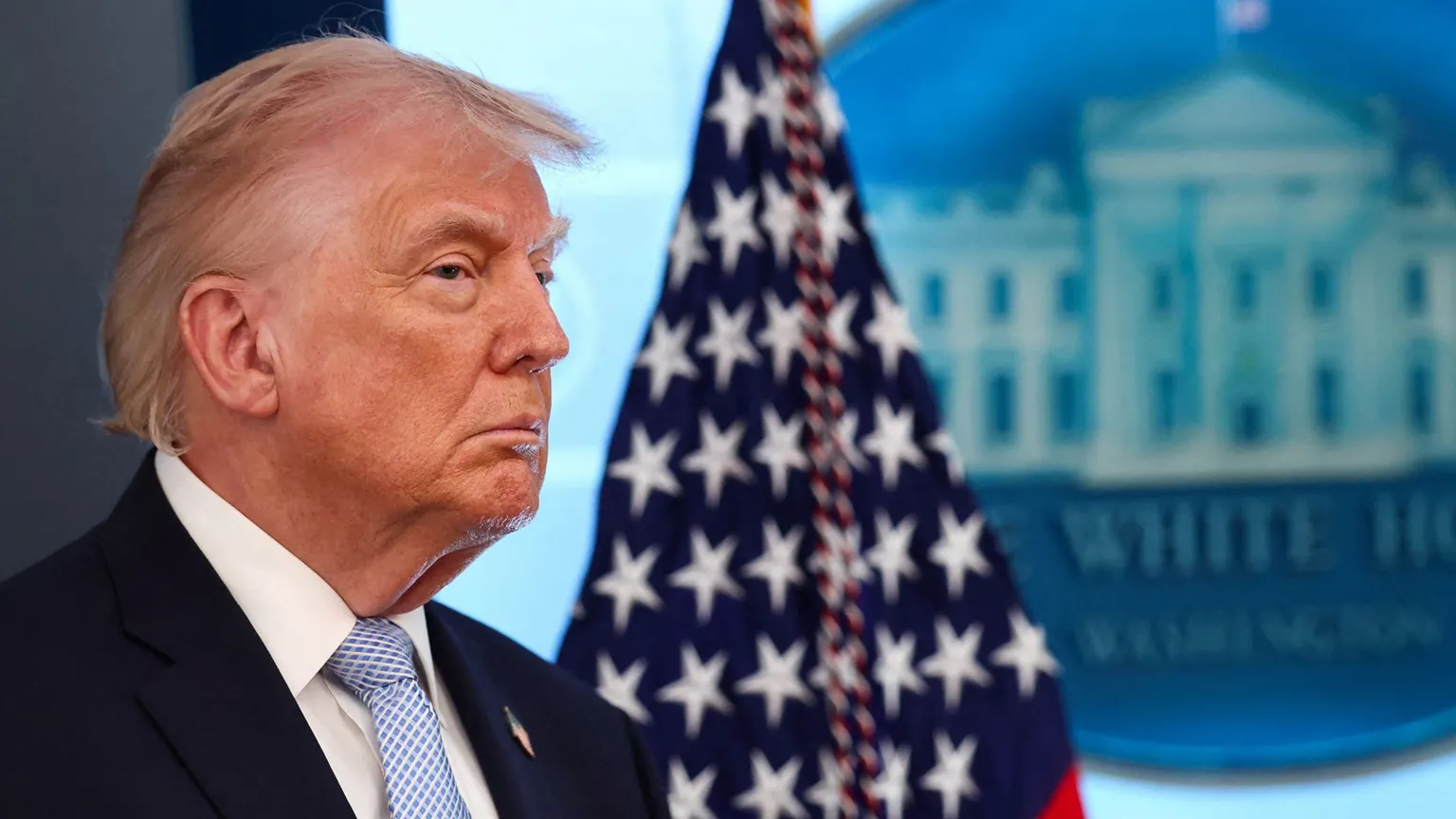
The ceasefire between the United States and Iran may have paused the fighting, but it also reveals the difficult position Donald Trump found himself in—and the potential consequences of how he handled it.
As the deadline for a major US military strike approached, Trump announced that both sides were close to a deal and agreed to a two-week halt in hostilities. The agreement depends on Iran stopping attacks and reopening the Strait of Hormuz, a vital route for global energy supplies.
The timing of the announcement was crucial. Just hours earlier, Trump had issued an extraordinary warning that Iran could face destruction on a massive scale if it did not comply. That ultimatum left him with a stark choice: follow through on a potentially devastating escalation or step back and risk appearing weak. The ceasefire offered a way out—at least temporarily.
For now, both countries are entering negotiations that could shape a longer-term agreement. Early market reactions suggest some optimism, with oil prices falling and investor confidence improving. There is hope that the worst of the immediate crisis may have passed.
However, the path ahead is far from certain. Trump’s aggressive rhetoric has drawn strong criticism both at home and abroad, with opponents arguing that such language undermines US credibility and destabilizes global norms. Even some members of his own party have distanced themselves from his remarks, calling them counterproductive and inconsistent with American values.
Supporters of the president, however, may argue that the pressure worked—that the threat of force pushed Iran toward compromise. Trump himself has claimed that the US has already achieved its key military objectives, pointing to damage inflicted on Iran’s capabilities.
Yet major questions remain unresolved. The future of Iran’s nuclear programme is unclear, and the country still maintains influence across the region. Iran has also outlined sweeping demands, including sanctions relief, compensation, and continued control over Hormuz—conditions that could prove difficult for the US to accept.
For now, the ceasefire represents a short-term political win for Trump, giving him space to step back from immediate conflict. But it is only a pause, not a peace. The next phase of negotiations is likely to be tense, and the long-term impact of both the war and Trump’s approach to it could reshape how the US is viewed on the global stage.

