

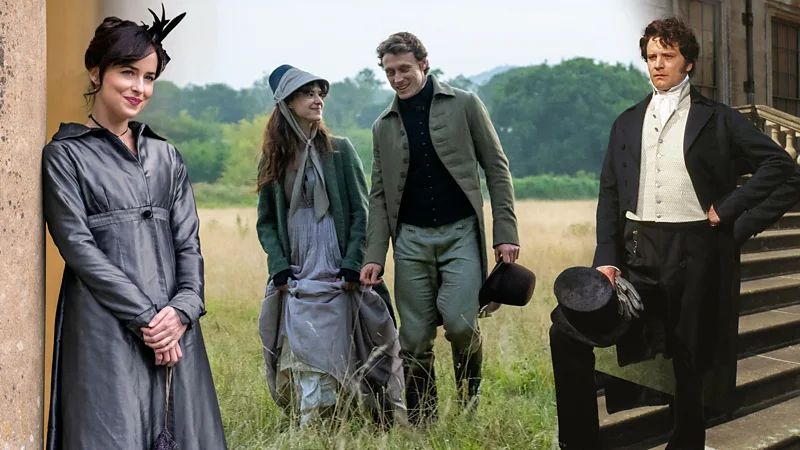
Jane Austen’s novels have been adapted for film and television for generations, with each new version offering its own interpretation of her world. Georgia Oakley’s new Sense and Sensibility, starring Daisy Edgar-Jones and Esmé Creed-Miles, is the latest major screen adaptation, with a new Pride and Prejudice series also on the way.
But while Austen’s stories lend themselves naturally to romance and period drama, literary scholars say adaptations can sometimes lose important elements of what made her novels distinctive.
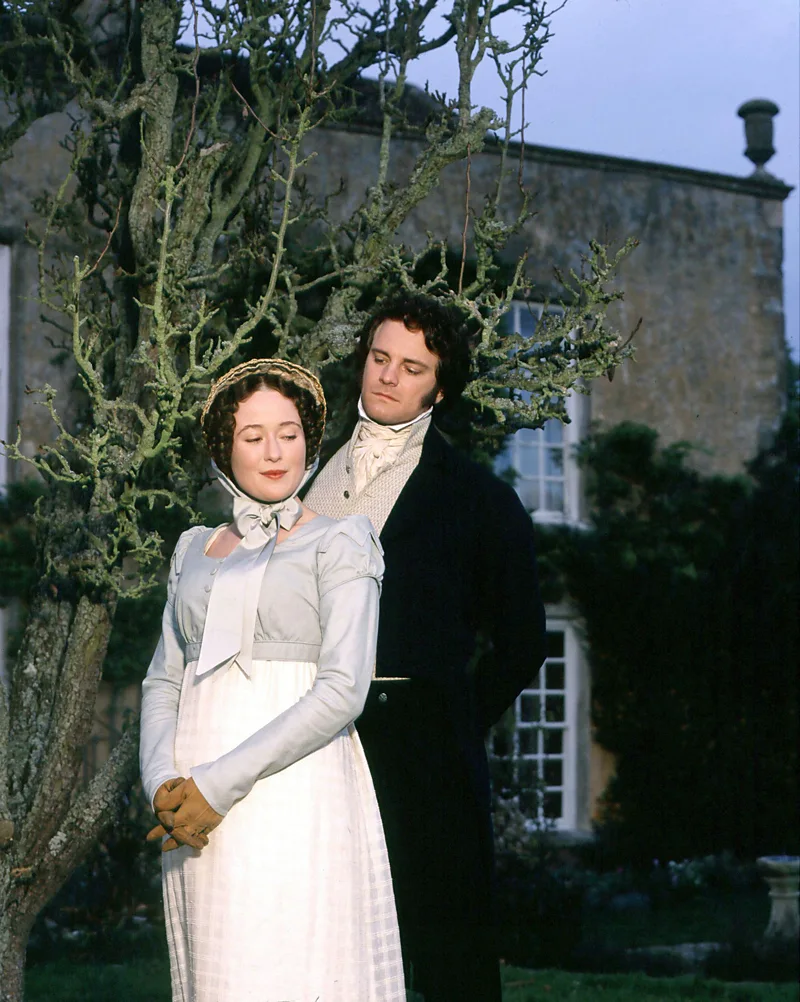
1. They make the romance the whole story
Romance is central to Austen, but her novels are not simply love stories. Kathryn Sutherland, a senior research fellow at Oxford, says Austen is primarily interested in her heroines and their psychological development.
Her characters face questions about money, class, reputation and personal judgment, often independent of their romantic relationships. Most of Austen’s heroines, with the notable exception of Emma Woodhouse, face some degree of financial insecurity.
Sandie Byrne, professor of English at Oxford, notes that Austen understood the appeal of a romantic ending, but she rarely treats the proposal or wedding as the ultimate climax. Marriage also did not automatically guarantee security for women in Regency society; their future remained closely tied to their husband’s character and financial circumstances.
When adaptations focus heavily on the romance, scholars argue, they can leave less room for Austen’s social observations and the difficulties faced by women of her time.
2. The styling can look too modern
Costume and beauty choices are another frequent source of debate among Austen fans.
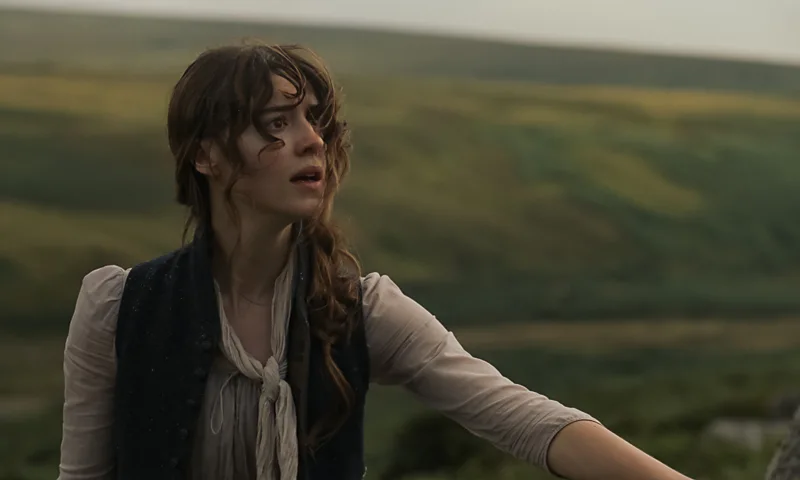
The new Sense and Sensibility has attracted attention for its more relaxed approach to period styling, including scenes in which Elinor and Marianne appear with their hair loose. Costume designer Grace Snell has said the production deliberately moved away from the conventional bonnet-heavy Austen aesthetic while maintaining historical awareness.
Earlier adaptations have faced similar criticism over modern-looking makeup, hair and physical appearance. Literary scholar Juliette Wells points to modern beauty standards, including immaculate teeth and contemporary body types, as details that can make actors appear further removed from Austen’s world.
Historical accuracy also involves understanding how people actually dressed rather than simply reproducing the latest fashion of the period. Wealthier characters could change clothes frequently, but many people would have worn garments for much longer and adapted existing pieces.
3. They lose Austen’s language and slow pacing
Austen’s writing depends heavily on irony, satire, conversation and an unusually precise narrative voice. Those qualities are difficult to reproduce visually.
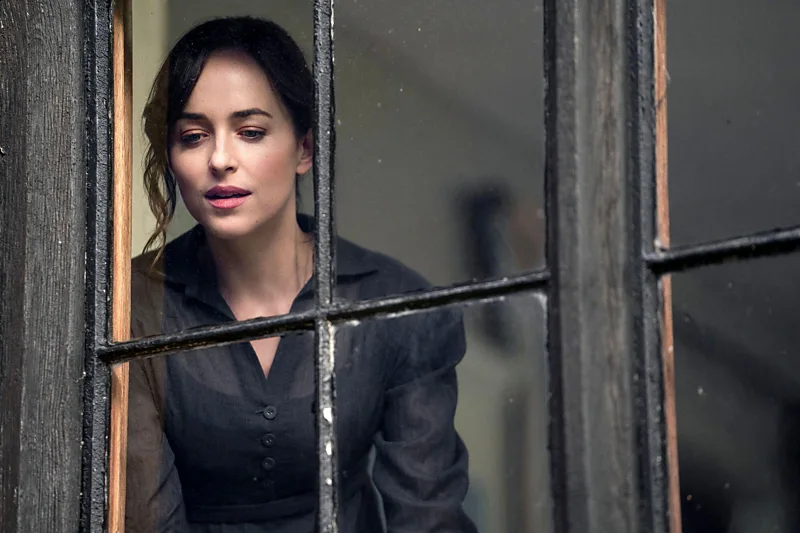
Sutherland argues that modern adaptations often place greater emphasis on landscapes, costumes and romantic imagery while giving less space to dialogue. That can be particularly significant with Austen because much of her storytelling happens through what characters say — and what they deliberately leave unsaid.
Her novels are also deliberately paced. Characters can take time to recognise their own mistakes, change their opinions and understand other people. Film, by contrast, often has to compress those developments into a much shorter running time.
The result can be adaptations that capture the appearance of Austen’s world while losing some of the verbal wit and gradual character development that define the original novels.
4. The actors can be too glamorous.
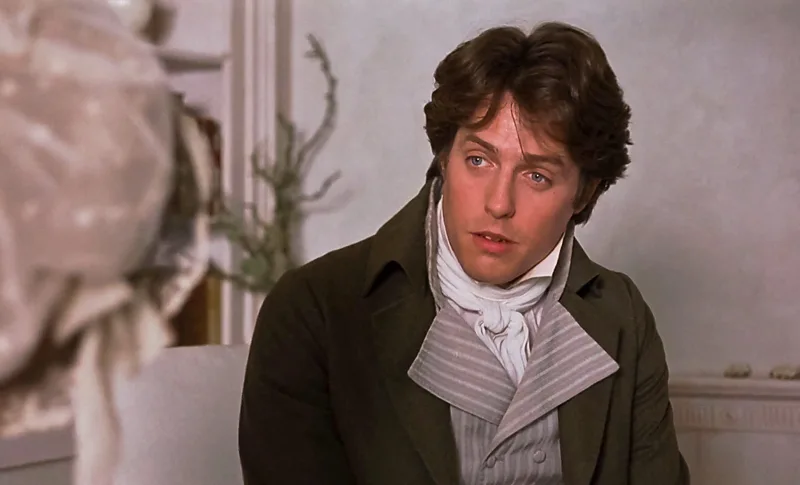
Austen rarely gives lengthy physical descriptions of her characters. Instead, she often reveals their qualities through their behaviour, conversations and relationships.
That creates a particular problem when adaptations cast exceptionally glamorous actors as romantic leads. According to Sutherland, making a character immediately appear heroic can reveal too much about the eventual romantic outcome before the story has had time to develop.
Edward Ferrars in Sense and Sensibility is a useful example. Austen introduces him as being far from conventionally handsome, yet Hugh Grant’s casting in Ang Lee’s 1995 adaptation immediately presents him as a charming romantic figure.
For scholars, that can subtly change the experience of the story. Austen’s characters are meant to be discovered gradually; turning them into obvious heroes and heroines from their first appearance can remove some of that uncertainty.
The challenge for every adaptation, then, is not simply to recreate Regency England. It is to translate Austen’s particular combination of humour, irony, social observation and psychological detail into a visual medium without allowing the romance, costumes or scenery to overwhelm the writing that made her novels endure.

