
Digital rights advocates and Reddit are challenging the landmark policy, arguing that it raises concerns about freedom of communication, privacy and political rights.
Australia’s controversial ban on social media access for children under 16 is heading for a major legal test, with two days of hearings set to begin at the country’s High Court on Tuesday.
The challenge, brought by digital rights advocates and social media platform Reddit, questions the legality of the policy, which was introduced in December last year as part of the Australian government’s broader efforts to improve online safety.
The Digital Freedom Project argues that preventing under-16s from accessing social media infringes on their right to communicate freely. Reddit has launched a separate challenge, raising concerns about the policy’s implications for privacy and political rights. Both cases will be heard jointly.
Supporters of the ban say it will help protect young people from harmful online content. Critics, however, argue that a blanket restriction is too broad and that greater attention should be given to making digital platforms safer.
Teenagers who launched the challenge withdraw
The constitutional challenge was filed by the Digital Freedom Project several weeks before the ban took effect on 10 December last year. The organisation is led by New South Wales parliamentarian John Ruddick.
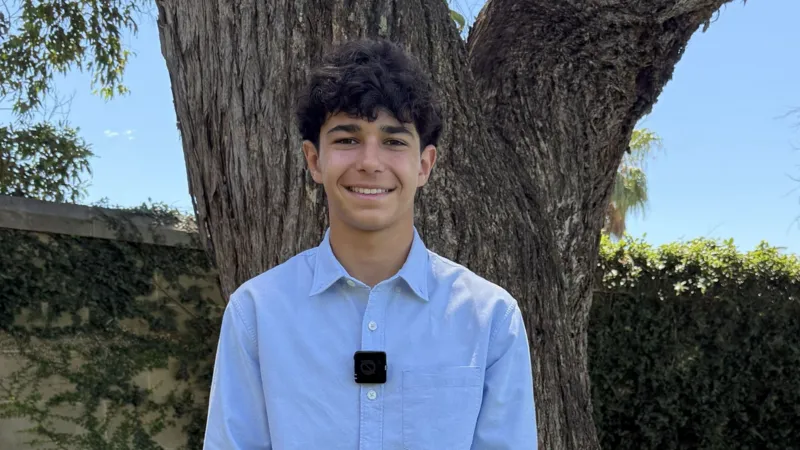
Two teenagers who initially helped spearhead the legal action, Noah Jones and Macy Neyland, have since withdrawn as plaintiffs. Jones is nevertheless expected to attend Tuesday’s hearing.
Speaking to the BBC last November, Jones acknowledged that harmful material exists online but argued that banning everyone under 16 was not the appropriate solution.
“We shouldn’t be using the resources and money of these social media platforms to try to avoid fines from our government,” he said.
“They should be using this money and resources to try to get rid of the predators and harmful content out there.”
Reddit has also challenged the legislation, arguing that the restrictions could have significant consequences for users’ privacy and political freedoms.
Government stands firm on the restrictions
The Australian government has defended the policy despite the legal challenges.
Communications Minister Anika Wells said last November that the government would not be discouraged by legal action from technology companies.
“We will not be intimidated by big tech. On behalf of Australian parents, we will stand firm,” she said.
Under the legislation, 10 platforms are required to take “reasonable steps” to prevent anyone under 16 from accessing their services.
The affected platforms are Facebook, Instagram, TikTok, YouTube, Reddit, Snapchat, X, Kick, Threads and Twitch.
Companies that commit serious or repeated breaches face potential fines of up to A$99m (US$70m; £52m). However, no platform has been fined since the restrictions came into force.
The eSafety Commissioner, the agency responsible for enforcing the ban, has opened several investigations into alleged non-compliance involving Facebook, Instagram, Snapchat, TikTok and YouTube.
Not every online service is covered. WhatsApp and gaming platforms such as Roblox and Discord are excluded, as are educational services including YouTube Kids and Google Classroom.
Questions remain over age verification
The introduction of the ban prompted major changes across social media platforms.
Meta, which owns Facebook, Instagram and Threads, said it had closed approximately half a million accounts during the early stages of the restrictions.
Some teenagers reported losing access to their accounts in the days leading up to and immediately after the ban began.
However, others said they had managed to bypass age-verification checks. These checks included submitting credit card information, uploading photo identification or providing a selfie.
The legal proceedings are expected to examine the wider implications of the restrictions, including whether the government’s approach appropriately balances online safety with young people’s rights.
The High Court’s consideration of the challenges will be a significant test of Australia’s policy, which has attracted international attention as governments debate how best to regulate children’s access to social media.

