

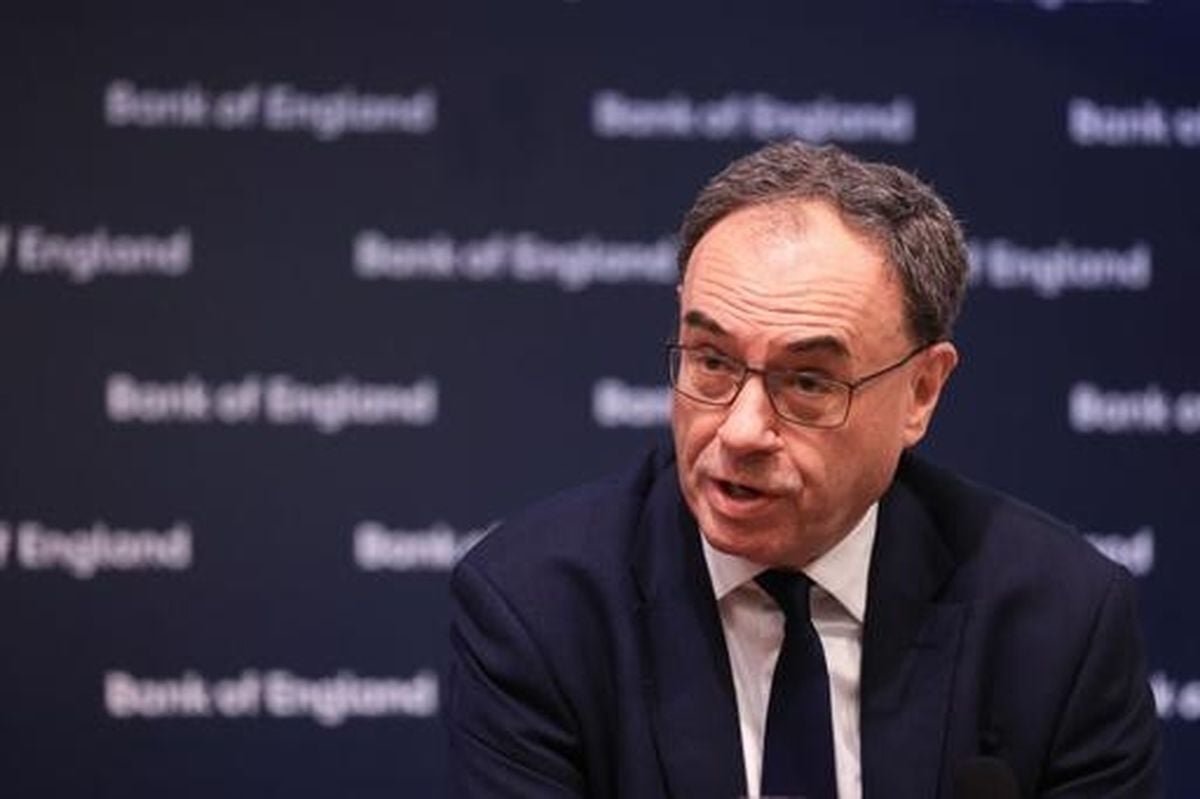
The head of the Bank of England says AI’s rapid spread could change jobs as much as the Industrial Revolution. He warns the UK needs to prepare its workers for big changes.
Andrew Bailey says the UK needs the right training, education, and skills so people can move into jobs that work with AI. He told BBC Radio 4 that people with those skills will find work easier.
He also knows people worry that automation could make it harder for young people to find jobs. This raises questions about how AI might change the job market.
We have to think about what it’s doing to the job pipeline. Is it changing it? He said. If people are working with AI, I’m not sure it will change the pipeline, but we need to keep an eye on that.
AI is now common in everyday life, used increasingly in business and government. The tech lets computers look at large amounts of data, spot patterns, and follow instructions based on that data.
People are getting worried about how this is already affecting jobs.
Recent figures show the UK jobless rate at 5.1% over the three months to October, with young workers hit hard. The number of jobless 18 to 24-year-olds jumped by 85,000 in that time, the biggest jump since November 2022, according to the Office for National Statistics.
Some say rising minimum wages and taxes make companies less keen to hire young workers. Others think AI might cut the need for many entry-level staff, especially grads. Jobs like law, accounting, and office work may be the most at risk from automation. Companies are using AI to perform tasks that junior staff used to handle.
PwC’s global chairman, Mohamed Kande, recently told the BBC they were cutting back on hiring. Now we have AI, he said. We want to hire, but I don’t know if the number of people will be the same. It’ll be a different kind of person.
Businesses that used to have PwC look over papers or study data might now use AI systems, turning weeks of work into minutes.
Bailey said people have always worried that tech would cause job losses, even back in the Elizabethan era, when the knitting machine made people fear for their jobs.
As we saw in the Industrial Revolution, we can now look back and say it didn’t cause mass unemployment. But it did move people from jobs, and that’s important, he said. I think AI will probably have a similar effect. We need to be ready for that.
He added that AI could be the next driver of UK economic growth.
It could improve how productive we are. It will be used across the economy. How fast it happens is another question. History says it takes a while.
The Bank of England is using AI tools internally, but Bailey said it is still experimenting, as are many others.
Getting it into everyday use will take some time. It is important that we focus on getting everything in place for that to happen, he said.
Besides job market changes, there are worries that AI’s quick growth could inflate a bubble, with big tech firms valued too highly.
The Bank of England recently warned that AI firms could face a market crash like the dot-com bust.
Jamie Dimon, head of JPMorgan, told the BBC in October that he was far more worried than others about a big market drop in the coming years.
Bailey said they’d have to watch the valuation question, but noted that the biggest firms were making money.
Of course, that doesn’t mean they’ll all win. We’re watching closely because we need to watch what could happen if there’s a sharp drop.
As AAs AI spreads, Bailey says it is both a big opportunity and a tough challenge. It can boost productivity, change the workforce, and test investors. He says the UK needs to adapt to ensure workers, especially young people, can do well with tech rather than being left behind.

