

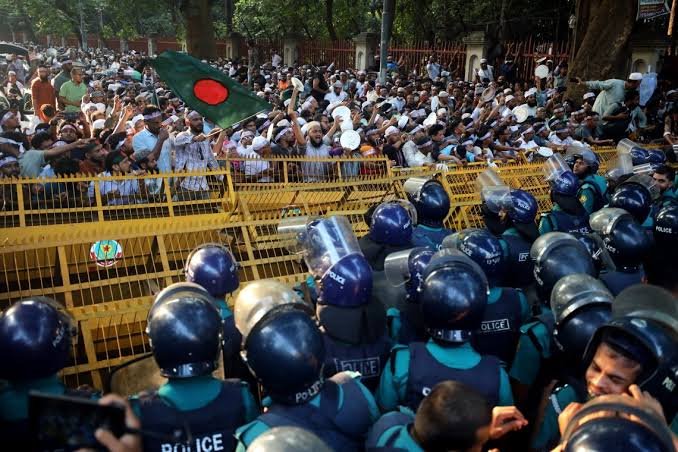
Bangladesh is gearing up for a parliamentary election on February 12. It’s the first vote since last year’s student protests that removed Prime Minister Sheikh Hasina. The stand-in government faces the challenge of calming things down and regaining public trust after a rocky year.
On TV Thursday, the main election official, AMM Nasir Uddin, announced the election date. He also said people would vote on ideas to fix the government at the same time, allowing voters to share their thoughts on needed changes.
This announcement comes as the temporary government, led by Muhammad Yunus, is trying to keep things together. Since Hasina was removed, people have protested because they think the government is taking too long to fix things. Hasina’s old party is not allowed in the election. Some leaders warn that things could get chaotic as the election approaches.
Yunus said the election is a big deal for Bangladesh to get back on track with its democracy. He said it’s like the country’s turning a page after all those protests and starting fresh with how it’s run.
To make things trickier, President Mohammed Shahabuddin said he’s quitting after the election. He said he’s unhappy and embarrassed with Yunus’s government in charge. Meanwhile, voters mostly hope to return to normal, help the clothing industry recover, and improve relations with India, which had become tense after Hasina left. In the upcoming elections, there will be over 42,000 polling places. They’re voting for 300 spots in parliament. At the same time, people will vote on the “July Charter,” a plan made after the protests to fix what’s wrong.
The plan would take some power from the main leader, make the courts more independent, strengthen election officials, and stop politicians from interfering with the police. If it passes, it could change how Bangladesh is run for a long time. The party that does well in the election is the Bangladesh Nationalist Party (BNP), led by Khaleda Zia, who was the Prime Minister. But they’ve got competition from Jamaat-e-Islami, which is back in politics after being banned in 2013. There’s also this new group called the National Citizen Party, made up of student leaders from last year’s protests, but they’re having trouble getting people to vote for them.
The BNP did something smart by ending its friendship with Jamaat-e-Islami. Now the BNP ended its alliance with Jamaat-e-Islami and now claims to be the better choice for a country moving on from Hasina. As the election approaches, people wonder whether things will remain peaceful and whether the country can restore democracy after a turbulent year. cky change. With so many people voting, what happens will decide where the country goes next, and if it can really fix things and get people to trust the government again.

