

Africa’s two largest economies, Nigeria and South Africa, are leading growth in demand for stablecoins and are the most confident about their future use, according to a new international survey.
The findings come from the Stablecoin Utility Report, conducted by YouGov, which shows that users in both countries are not only adopting stablecoins at a rapid pace but also want them to become more widely accepted for everyday transactions.
Stablecoins are increasingly seen as a quicker and cheaper way to move money in lower-income economies. However, concerns remain because around 99% of stablecoins — including market leaders Tether and USDC — are pegged to the US dollar. This has raised fears among policymakers about economic dollarisation and the potential for capital flight.
The survey gathered responses from more than 4,650 people across 15 countries who either already hold stablecoins or plan to hold them. It was conducted in partnership with crypto-focused firms BVNK, Coinbase, and Artemis.
At present, most stablecoin activity is concentrated within cryptocurrency markets. Nearly 90% of transactions are used to move funds between crypto platforms, while only about 6% are used to pay for goods and services, according to estimates published last year by Boston Consulting Group.
Preference for stablecoin payments
The report also identified rising demand in other emerging markets, including India. More than half of respondents said they had increased their stablecoin holdings over the past year, with the strongest growth recorded in developing economies.
In Nigeria and South Africa, adoption levels are already high. Almost 80% of respondents in both countries said they currently hold stablecoins, and more than 75% of those users plan to increase their holdings further in the coming year.
Among people who do not yet own stablecoins, interest in starting to use them was roughly twice as high in low- and middle-income economies as in high-income ones. In Nigeria, 95% of respondents said they would prefer to receive payments in stablecoins rather than in the naira.
“People are already being paid and spending stablecoins, particularly in places where traditional payment systems are slow, costly, or unreliable,” said Chris Harmse, co-founder of BVNK. He added that users are now calling for stablecoins to be more deeply integrated into familiar financial tools.
Threat to monetary policy
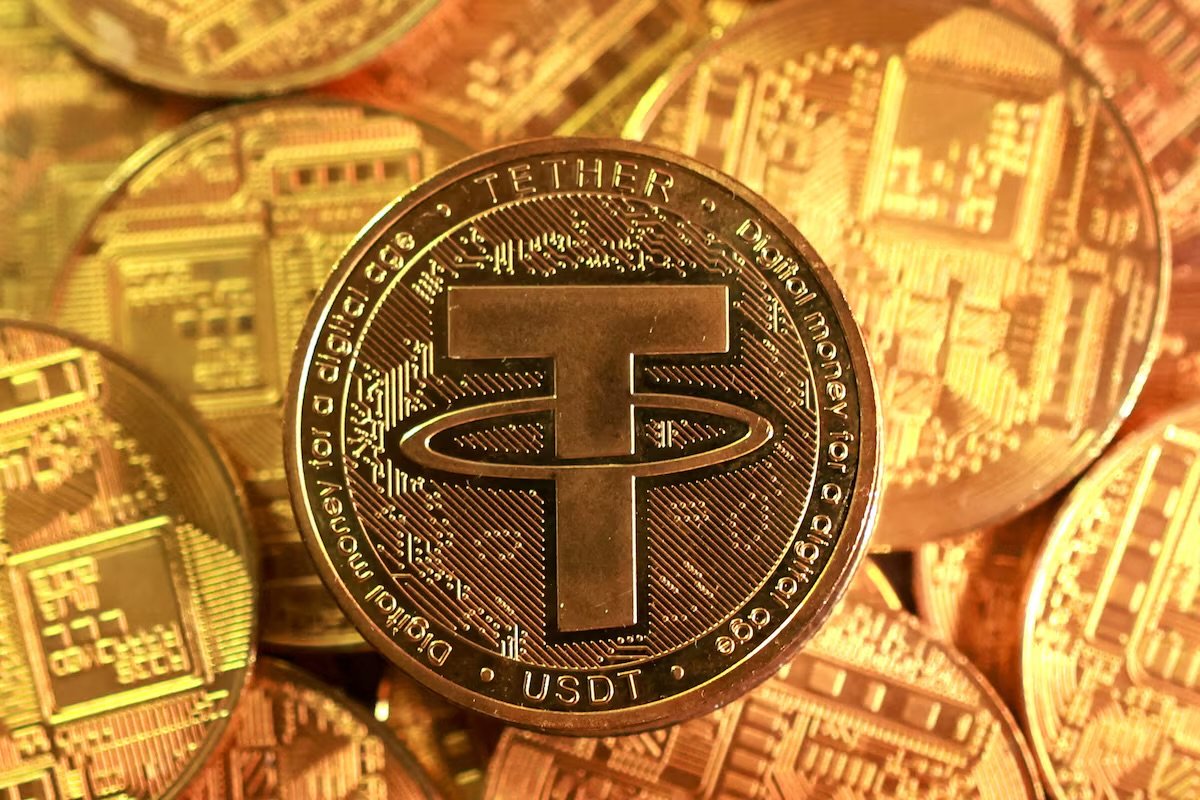
Globally, the stablecoin market is valued at more than $310 billion, with US dollar–pegged tokens dominating. Tether accounts for around $185 billion of that total, while USDC represents about $75 billion. Analysts expect the market to continue expanding following regulatory developments in the United States, including proposed legislation such as the GENIUS Act.
Despite the growth, central bankers in emerging economies remain wary. They worry that widespread stablecoin adoption could drain deposits from local banks, weaken monetary policy, and make capital flight easier.
Still, some policymakers see potential benefits. South African Reserve Bank Governor Lesetja Kganyago highlighted the high cost of remittances, noting that sending $100 to neighbouring Mozambique can cost as much as $30 — a gap that stablecoins could help reduce.
The survey also found that limited acceptance remains a major barrier. Stablecoins are still not widely accepted in physical stores or online, restricting their use for everyday purchases, subscriptions, and routine payments.

