

The Rise of AI-Generated Dolls on LinkedIn: A New Trend in Professional Networking
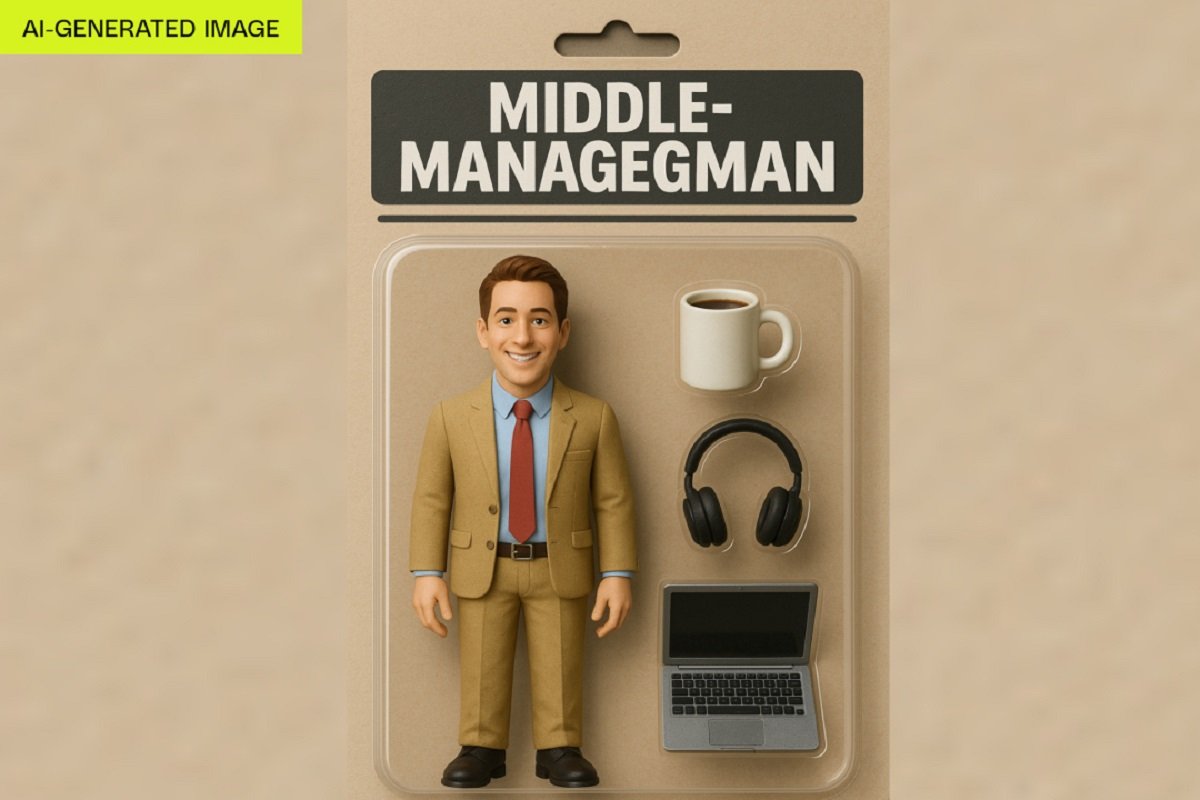
LinkedIn, the go-to platform for professionals worldwide, is witnessing a surprising and playful shift. Gone are the days when users were content with polished headshots to represent their professional personas. Thanks to advancements in artificial intelligence, specifically ChatGPT’s image generator, individuals are now transforming their profiles into eye-catching displays featuring AI-generated action figures and doll-like avatars. This trend has sparked conversations across multiple social media platforms and even caught the attention of brands and public figures.
How the AI-Generated Doll Trend Gained Momentum
The process behind this viral trend is straightforward yet innovative. Users input descriptive prompts into ChatGPT’s image generator to produce stylized, toy-like versions of themselves. These creations often include accessories such as miniature laptops, coffee mugs, or books, all presented within retro-style blister packs reminiscent of classic action figures. Another popular variation, known as the “Barbie Box Challenge,” mimics Mattel’s iconic packaging but swaps out Barbie’s dreamhouse for office-themed props like desks and briefcases.
While this trend hasn’t reached the explosive virality of past AI-driven movements—such as last year’s Studio Ghibli-inspired art wave—it has steadily gained traction among marketers, influencers, and self-proclaimed thought leaders. The absence of significant backlash may be attributed to its lighthearted nature, which avoids the ethical controversies surrounding the replication of copyrighted styles.
Notable Participants in the Trend
What makes this phenomenon even more intriguing is the diversity of participants. Beyond everyday LinkedIn users, major brands have embraced the trend to showcase creativity and engage with audiences. MAC Cosmetics and NYX Cosmetics, for instance, joined the fun by creating doll versions of their brand ambassadors. Even political figures like U.S. Representative Marjorie Taylor Greene have shared their AI-generated action figures on social media, highlighting the widespread appeal of this digital novelty.
Why ChatGPT Stands Out in the AI Space
ChatGPT’s image generator has become a preferred tool for these creative experiments, thanks to its user-friendly interface and ability to produce high-quality, stylized images. When it first launched, the demand was so overwhelming that OpenAI had to implement temporary restrictions to manage server loads. Its versatility and accessibility have made it a favorite for generating not just professional avatars but also content for other social media platforms like Instagram and TikTok.
The Implications of AI-Driven Trends in Online Culture
Though this trend might seem like harmless fun, it underscores the growing influence of AI tools in reshaping online culture. Unlike previous trends that sparked debates over copyright infringement and ethical concerns, the AI doll movement feels more playful and less controversial. However, it still serves as a reminder of how quickly technology can infiltrate everyday life—even in unexpected ways.
For some, this trend represents an opportunity to enhance personal branding with a touch of humor and creativity. For others, it’s simply a way to experiment with new forms of self-expression. Regardless of intent, the AI doll phenomenon highlights the evolving relationship between humans and technology, where work and play increasingly intersect.
Will This Trend Last?
As with any internet trend, the longevity of AI-generated dolls remains uncertain. It could fade as quickly as it emerged or evolve into something more substantial, perhaps influencing marketing strategies or even product design. One thing is clear: ChatGPT isn’t just revolutionizing productivity and communication—it’s also finding its place in the realm of entertainment and self-expression.
The Future of AI in Everyday Life
This quirky trend is just one example of how AI continues to permeate various aspects of modern life. From reimagining professional identities to sparking joy through creative experimentation, AI tools are proving to be versatile and impactful. As technology advances, the line between work and play will likely blur further, offering new opportunities for innovation and connection.
In conclusion, the AI-generated doll trend might appear whimsical at first glance, but it carries deeper implications about the role of artificial intelligence in shaping cultural norms and behaviors. Whether it becomes a lasting fixture or fades into obscurity, its impact on the intersection of professionalism and creativity is undeniable.

