

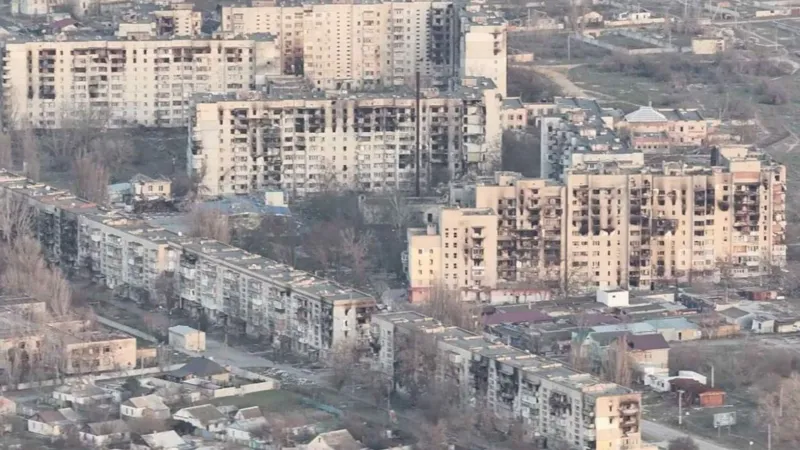
Residents of the Russian-occupied Ukrainian city of Oleshky are facing severe shortages of food, water and medical care, with some risking drone strikes and mined roads to search for basic supplies. The city, in southern Kherson region, has been under Russian occupation since 2022 and remains isolated between the Dnipro River and Russian military positions.
One resident, identified by the pseudonym Halia for her safety, told the BBC that a married couple she knew were killed on 20 September while returning from the neighbouring town of Radensk with food. They reportedly failed to reach Oleshky before a curfew imposed by Russian occupation authorities and were subsequently killed by a drone.
Conditions inside the city have deteriorated sharply. Before Russia’s full-scale invasion, Oleshky had around 24,000 residents. Ukrainian authorities estimate that roughly 6,000 people now remain in the city and surrounding areas, including about 200 children. Residents report malnutrition among children, limited medical care and an absence of functioning schools. Only one hospital is said to be partially operational, opening several days a week for critical procedures.
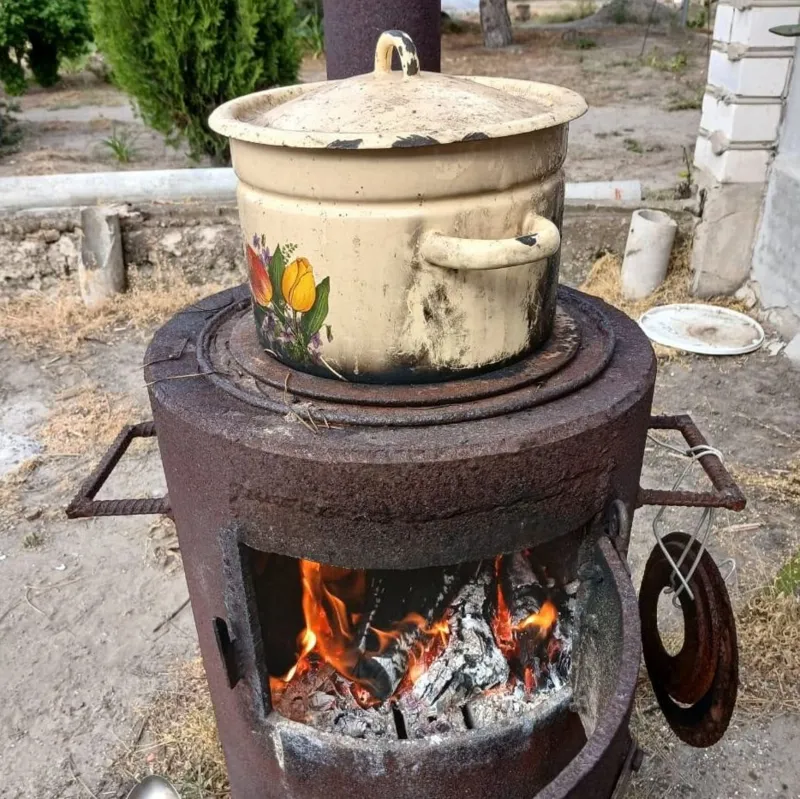
Food has become particularly scarce. Halia said the last food delivery reached the city in May and that she now eats only once a day, often relying on plain bread, tomatoes, honey and tea. With shops closed and household supplies exhausted, residents have reportedly turned to cooking edible weeds and using local messaging groups to exchange or share food.
Oleshky has also been without electricity and gas since 2023, following the destruction and collapse of the Nova Kakhovka Dam. The city has experienced widespread flooding and continuing infrastructure problems since the disaster. Ukraine and NATO accused Russia of destroying the dam, while Russia blamed Ukraine.
The humanitarian situation is further complicated by the dangers of leaving the city. Roads are affected by mines and ongoing attacks, making journeys in search of food increasingly risky. Ukrainian efforts to deliver supplies have reportedly struggled to reach the population.
The Kremlin has acknowledged that Oleshky is facing what it described as a critical situation, including shortages of food and medicine, while blaming Kyiv for the conditions. Ukrainian Foreign Minister Andriy Sybiha has described the population as being under a “full blockade” and called for international pressure to allow humanitarian aid into the city.
Determining the number of civilian deaths has proved difficult. The UN Human Rights Monitoring Mission in Ukraine has recorded reports of at least 29 civilians killed and 54 injured this year in Oleshky and nearby Hola Prystan. Local volunteers believe the actual number could be considerably higher.
A volunteer who escaped Oleshky in 2022 told the BBC that she has compiled a personal database of around 1,200 people believed to have died in the city. The BBC has not independently verified that figure.
Residents have also described difficulties burying people killed in drone strikes, mine explosions and other violent incidents. According to accounts given to the BBC, occupation authorities require post-mortem confirmation by a Russian doctor before some deaths can be formally recorded, creating further obstacles for families.
For those still inside Oleshky, the combination of food shortages, damaged infrastructure, restricted medical care and the continuing threat of violence has left daily life focused on basic survival.

