

Defense Secretary Pete Hegseth Under Scrutiny for Alleged Classified Leak in Private Signal Chats
U.S. Defense Secretary Pete Hegseth is facing renewed scrutiny over allegations that he shared classified details about a Yemen airstrike in a private Signal conversation with his wife and brother. This marks the second such security breach linked to Hegseth, prompting widespread concern about how sensitive information is managed by top government officials.
The controversy arose during a busy period for Hegseth, who attended the Commander-in-Chief trophy presentation at the White House on April 15, 2025. The event celebrated military excellence as the Navy Midshipmen football team was honored, but attention quickly shifted to the allegations surrounding Hegseth. A joint report by Fortune contributor Tara Copp and The Associated Press revealed the defense secretary allegedly discussed operational details of the Yemen airstrike in a Signal group chat. While Signal’s end-to-end encryption ensures privacy, it also bypasses official government record-keeping, raising significant national security concerns.
Previous Allegations and Growing Concerns
This is not the first time Hegseth has been accused of discussing classified matters outside secure channels. The repeated nature of these incidents has sparked debate over whether stricter protocols should be enforced for senior officials to prevent future breaches. Observers are particularly concerned about the implications of using encrypted messaging apps like Signal for sensitive discussions. Such platforms, while secure from external threats, lack the transparency required for accountability in government operations.
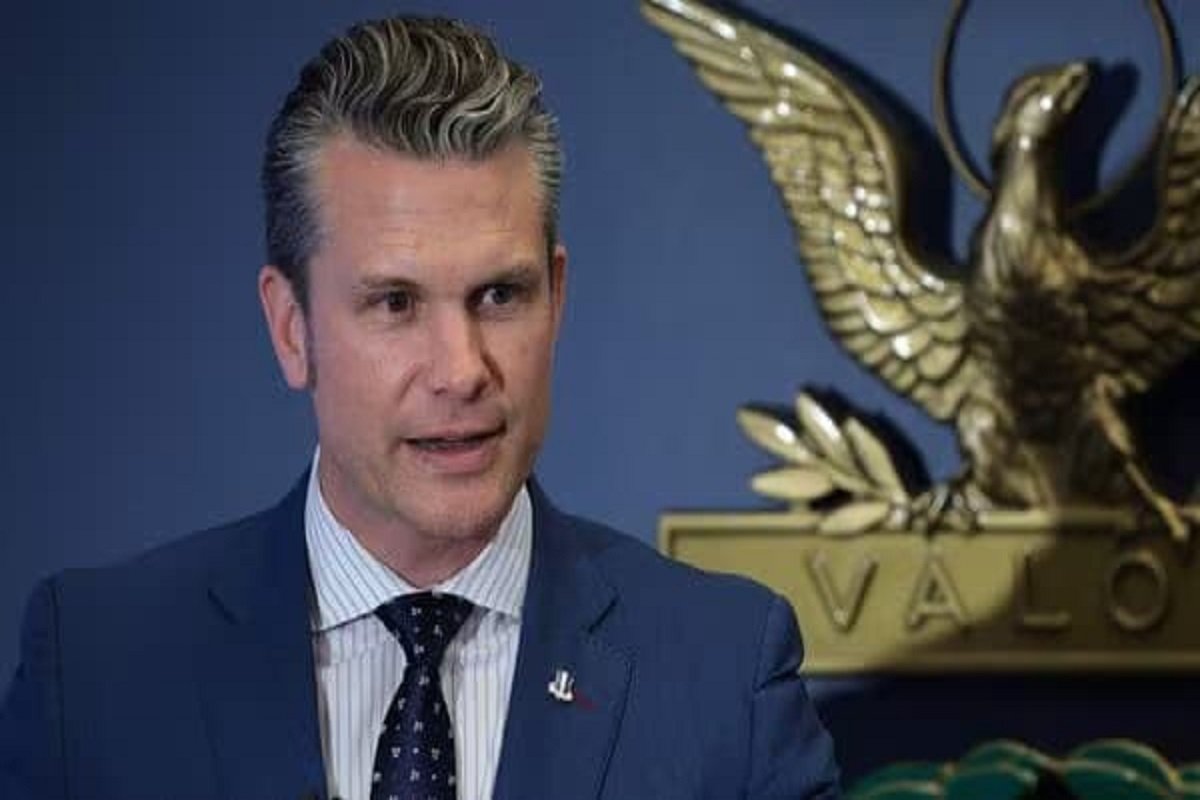
A photo by Alex Brandon of the Associated Press shows Hegseth leaving the White House event—a seemingly routine moment now overshadowed by the brewing controversy. As speculation mounts, questions arise about the broader implications of this alleged breach.
Why This Matters
The incident highlights the tension between modern communication habits and national security protocols. In an era where convenience often takes precedence, messaging apps like Signal have become popular tools for quick and private exchanges. However, their use for discussions involving classified information can undermine accountability and transparency. If confirmed, Hegseth’s actions could set a dangerous precedent, particularly in conflicts like the Yemen airstrikes, where operational secrecy is paramount.
The stakes are high, as even minor leaks can compromise military operations and endanger lives. Moreover, repeated breaches erode public trust in government institutions, making it imperative to address these issues promptly.
What’s Next?
No official disciplinary action has been announced yet, but the repeated nature of these leaks may prompt further investigation. Observers are closely monitoring whether this incident will spark a broader conversation about updating security measures for government officials or remain an isolated issue.
Potential Solutions
One possible solution is implementing stricter regulations on the use of messaging apps by government officials. For example, requiring all sensitive communications to occur through government-approved platforms with built-in oversight mechanisms could enhance accountability. However, critics argue that this approach may not fully address the root cause of the problem.
Others suggest that deeper systemic changes are needed, such as revising training programs for officials on handling classified information or adopting advanced technologies to monitor compliance. These measures could help bridge the gap between policy and practice, ensuring that national security remains a top priority.
Striking a Balance Between Privacy and Security
For now, the story serves as a reminder of the delicate balance between privacy and security in an era where digital communication is both a tool and a liability. The challenge lies in leveraging technology responsibly without compromising the integrity of sensitive operations.
Would stricter regulations on messaging apps for officials help prevent future breaches? Or does the problem require deeper systemic changes? The debate continues as technology outpaces policy, leaving governments worldwide grappling with similar challenges.
Conclusion
As scrutiny intensifies around Defense Secretary Pete Hegseth, the focus shifts to broader questions about how governments manage classified information in the digital age. By addressing these issues head-on, policymakers can work toward solutions that safeguard national security while adapting to the realities of modern communication. The outcome of this case may well shape the future of how sensitive information is handled at the highest levels of government.

