

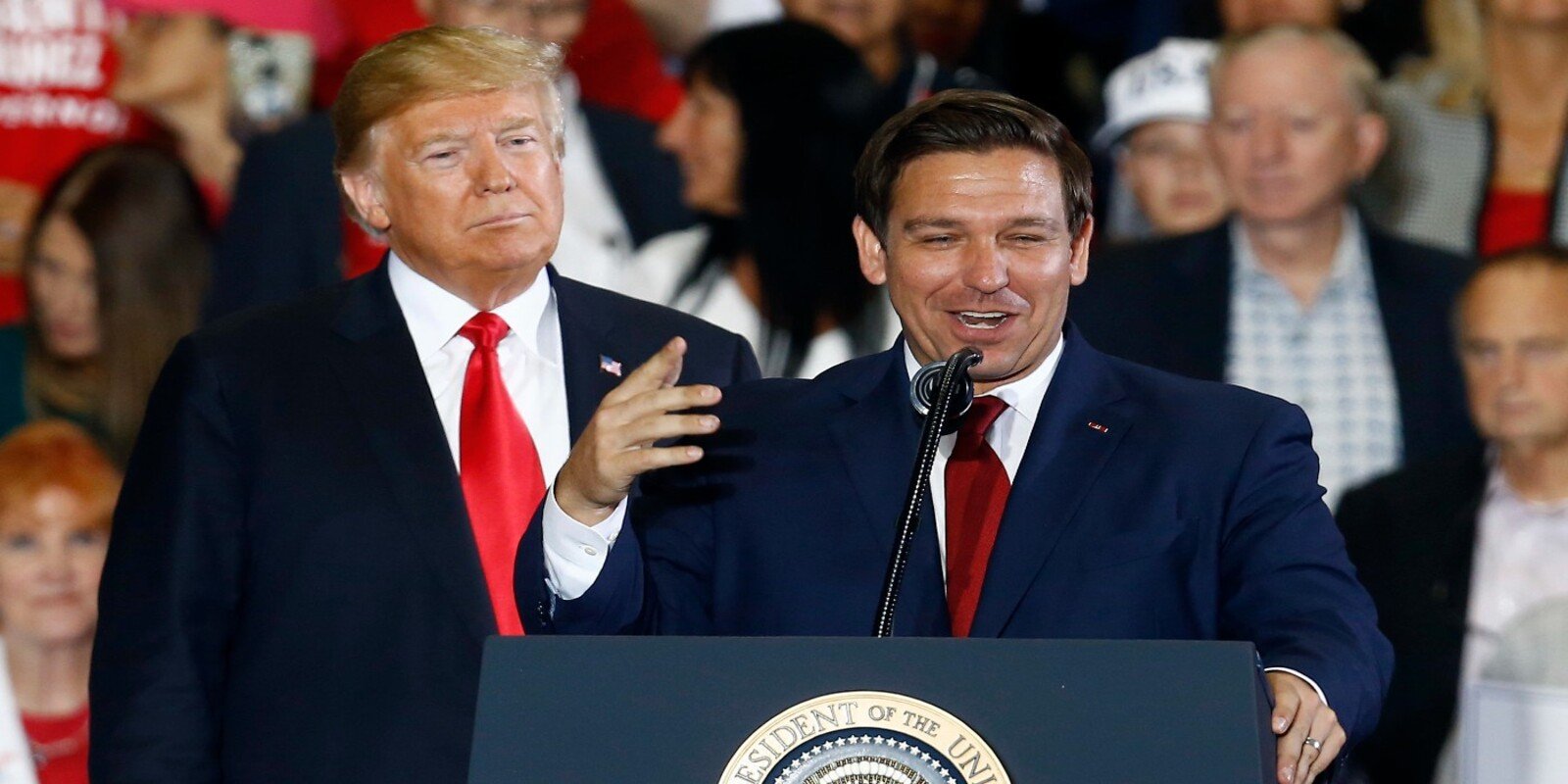
DeSantis allies urge him to defend Trump at the Republican debate. Intricate alliances and strategic decisions often mark the realm of politics. The recent call by allies for Governor DeSantis to defend former President Trump in a Republican debate brings to the forefront the dynamics of loyalty, identity, and the influence of prominent figures. In this comprehensive analysis, we delve into the significance of this call, its implications for the Republican Party, and the broader considerations surrounding the role of political leaders in shaping party narratives.
Introduction: Navigating Political Loyalties
The call for Governor DeSantis to defend former President Trump in a Republican debate highlights the complexities of political alliances and loyalties. Beyond the surface, this call underscores the delicate balance between embracing party identity and aligning with influential figures. This analysis aims to unravel the significance of this call and its broader implications for the Republican Party, the role of leaders, and the ongoing discourse on political loyalty in the contemporary landscape.
Loyalty to Prominent Figures: A Double-Edged Sword
The call emphasizes the double-edged nature of loyalty to prominent figures. While aligning with influential leaders can garner support, it also risks overshadowing individual policy positions and broader party platforms.
Shaping Party Narratives: Influence and Impact
The call underscores the influence of prominent figures in shaping party narratives. Political leaders can play a pivotal role in framing debates, influencing public opinion, and guiding the direction of party discourse.
Party Unity: Bridging Divides
Governor DeSantis’s potential defense of former President Trump raises considerations about party unity. Balancing the interests of various factions within the Republican Party is essential to fostering cohesion and garnering broad-based support.
Identity and Ideology: Complex Interplay
The call for defense in the debate delves into the complex interplay between political identity and ideology. As political leaders navigate the landscape of values and beliefs, aligning with figures like former President Trump can have personal and party identity implications.
Leadership Responsibility: Navigating Expectations
The call highlights the responsibilities of political leaders in navigating competing expectations. Leaders must weigh the demands of party supporters, constituents, and their convictions in making strategic decisions.
Conclusion: Navigating Political Alliances
The call for Governor DeSantis to defend former President Trump in a Republican debate serves as a reminder of the intricate dance of political alliances and strategic considerations. From loyalty to influential figures and shaping party narratives to unity, identity, and leadership responsibilities, each element contributes to the analysis of this call and its broader implications for understanding the complexities of modern politics and the evolving role of leaders in shaping the trajectory of political discourse.

