

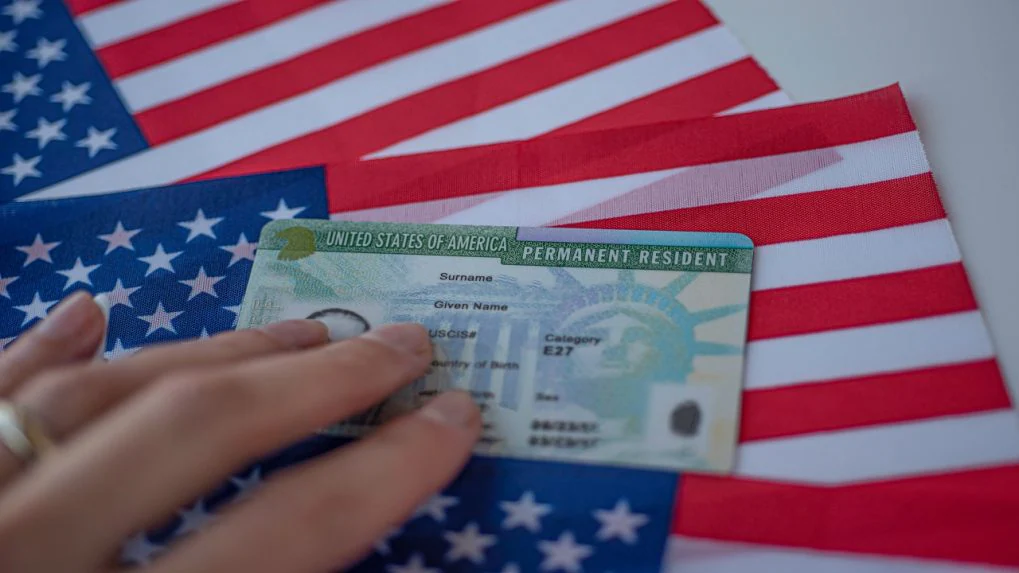
What’s a green card?
U.S. Citizenship and Immigration Services issues a green card to permanent residents who can live and work in the U.S. indefinitely. Green cards were green from 1950 to 1964, thus their name. Despite becoming green again in 2010, the term stuck for decades of blue, pink, and yellow “green cards.”
How Green Cards Work
People can get green cards through family, job, refugee, asylee, or special programs. The Diversity Immigrant Visa Program allocates up to 55,000 visas to underrepresented nations through a lottery each year. Investors who invest above a specific amount can become permanent residents.
Green Card requirements
Permanent residents 18 and older must carry green cards or risk penalties or jail time. Fines can reach $100 or 30 days in prison. 4 Cardholders must renew every ten years, except for 1979–1989 cards, which never expire. 56 To remove their conditional residence, recent marriage or investment recipients must appeal 90 days before their green card expires.
Lottery System
The Diversity Immigrant Visa Program (DV) is the green card lottery. The first was in 1994; however, the program has had fewer constraints since 1986 under other auspices. The U.S. has this method to give low-immigration nations a shot at a green card. It also honors America’s multiculturalism.
In 2018, 23 million people applied for the green card lottery, but only 116,000 qualified.
The DV program grants about 55,000 visas annually. Countries with more than 50,000 legal immigrants to the U.S. in the previous five years cannot participate. If your spouse wins, you and all unmarried children under 21 will receive a green card if you register. You must list your family on the application to win.
Conclusion
- Green cards are permanent resident IDs for U.S. immigrants.
- The Card Lottery awards up to 55,000 yearly permanent visas to foreign nations.
- Not possessing their card may result in permanent residents being fined or incarcerated.
- You must renew your card every ten years.

