

What Is a Billing Cycle? How It Works, How Long It Is and Example
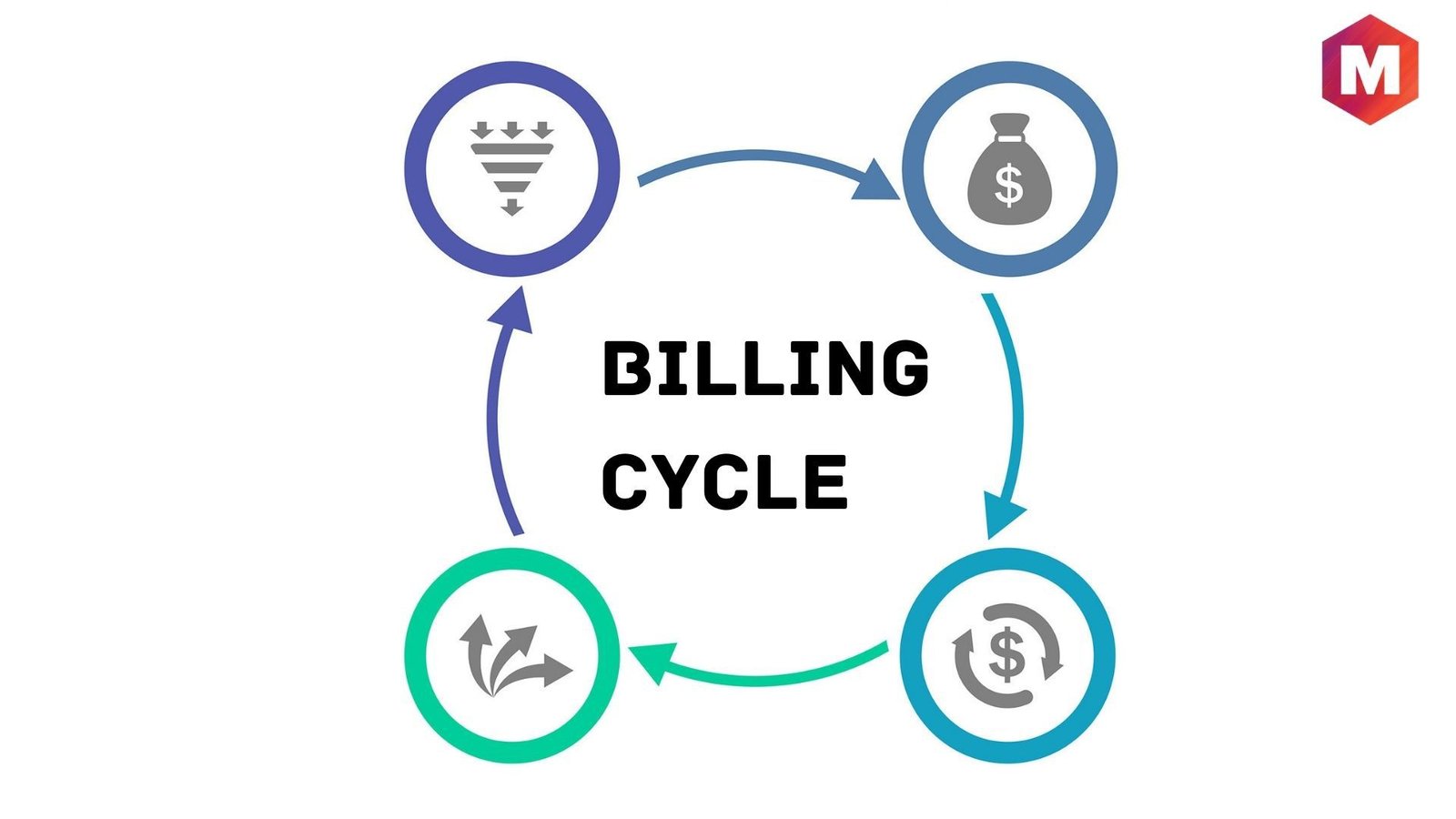
A billing cycle is an interval from the end of one billing statement date to the next for regular goods or services a company provides to another company or consumer. Although billing cycles are often set every month, they can vary in length depending on the product or service rendered.
Understanding Billing Cycle
Billing cycles guide companies on when to charge customers while helping internal departments, such as accounts receivable units, monitor the revenue yet to be collected.
At the end of every billing cycle, customers are granted a certain amount of time to remit payment. This window, known as the grace period, is similar to a moratorium period, which is defined as a specific period in which a lender lets a borrower stop making payments on a loan.
Examples of Billing Cycles
The date at which the billing cycle begins depends on various factors, including the type of service being offered and the customer’s needs. For example, an apartment complex may issue a bill for rent on the first day of every month, regardless of when tenants signed their individual leases. This style of billing cycle can simplify accounting while making it easier for tenants to remember the payment due date. Companies may also choose to use a rolling billing cycle. For example, a cable TV provider may set a customer’s billing cycle to align with the date on which that customer first received a signal.
Determining the Length of a Billing Cycle
Although the billing cycle lengths tend to align with industry norms, vendors can shorten or augment their individual billing cycles in ways that help them better manage cash flows or accommodate changes in customers’ creditworthiness. For example, a wholesaler who distributes produce to a supermarket chain might need to accelerate the receipt of cash flows because the company from which it leases delivery trucks has tightened its billing cycle for the wholesaler. As another example, consider a situation where a retail store owner has fallen into the habit of making the occasional late payment to his supplier. In this situation, the wholesaler may compress the billing cycle from four to three weeks to anticipate the delinquency. The flexibility of the billing cycle can go the other way, too. For example, suppose a large corporate customer needs to lengthen the cycle from 30 to 45 days for software-as-a-service (SaaS). If the creditworthiness of this customer is sound, the vendor will typically agree to do so.
Conclusion
- A billing cycle refers to the interval of time from the end of one billing statement date to the next billing statement date.
- A billing cycle is traditionally set every month but may vary depending on the product or service rendered.
- Billing cycles guide companies on when to charge customers, and they help businesses estimate how much revenue they will receive.
- Billing cycles help customers regulate their expectations regarding payment timetables to budget their money responsibly.

