

The growing around the Strait of Hormuz is no longer a distant geopolitical concern—it is rapidly becoming an economic and logistical emergency for Europe’s aviation sector. What began as a regional conflict now threatens to ground flights, disrupt economies, and expose the continent’s deep energy vulnerabilities.
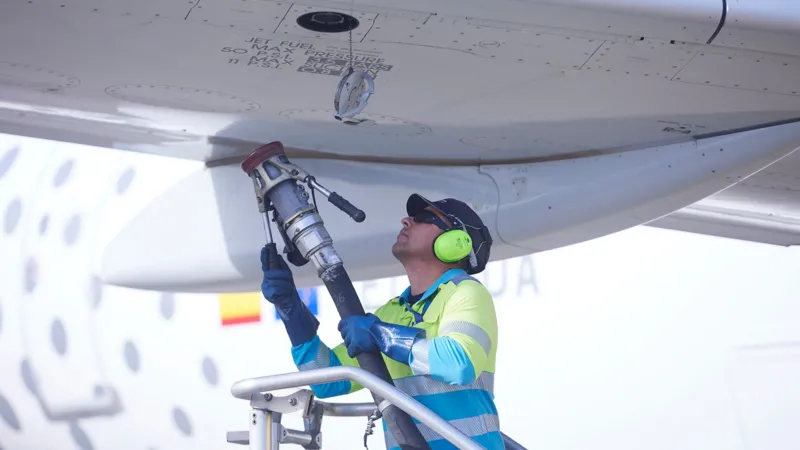
According to Airports Council International Europe, the clock is ticking. If the strait does not reopen within weeks, Europe could face a full-scale jet fuel shortage. The warning is stark, but not surprising: roughly half of Europe’s aviation fuel imports originate from the Gulf, making the region indispensable to keeping planes in the air.
A Supply Chain Under Strain
The underscores a fundamental weakness in Europe’s energy infrastructure—its reliance on external supply routes that are highly susceptible to geopolitical shocks. With tanker traffic through Hormuz severely restricted, the flow of refined fuel has slowed to a trickle, pushing prices to record highs and forcing airlines to make difficult decisions.
Already, carriers are cutting routes and raising fares, passing the burden onto passengers. Smaller airports, often operating on thin margins, face an even harsher reality. For them, a prolonged shortage could mean reduced connectivity or, in extreme cases, closure.
Market Forces Are Not Enough
In a strongly worded appeal, ACI Europe’s leadership has urged the European Union to step in. Their message is clear: this is not a crisis that market forces alone can resolve.
Proposals such as collective fuel purchasing and the temporary easing of import regulations point to a broader shift—one where governments may need to play a more active role in safeguarding critical industries. In this sense, it is not just about fuel but about policy readiness in the face of disruption.
Economic Ripples
The stakes are enormous. Air travel contributes hundreds of billions of euros annually to Europe’s economy and supports millions of jobs. A sustained disruption would not only affect airlines but also tourism, trade, and regional development.
With the peak summer travel season approaching, the timing could hardly be worse. may soon find fewer flights, higher prices, and increased uncertainty—an unwelcome reminder of how quickly global events can reshape everyday life.
Yet within this crisis lies an opportunity. Industry leaders are calling for renewed investment in sustainable aviation fuel (SAF), which could reduce dependence on volatile routes in the long term. While SAF is not an immediate fix, the current situation highlights the urgency of diversifying energy sources.
A Fragile System
Ultimately, the warning from Europe’s aviation sector is about more than fuel shortages. It is about the fragility of interconnected systems—where a waterway thousands of miles away can disrupt economies across continents.
The Strait of Hormuz is a reminder that globalization, for all its benefits, comes with And when one critical link breaks, the consequences are felt far and wide.
For Europe, the question is no longer whether the will have an impact—but how severe that impact will be, and how prepared it is to respond.

