

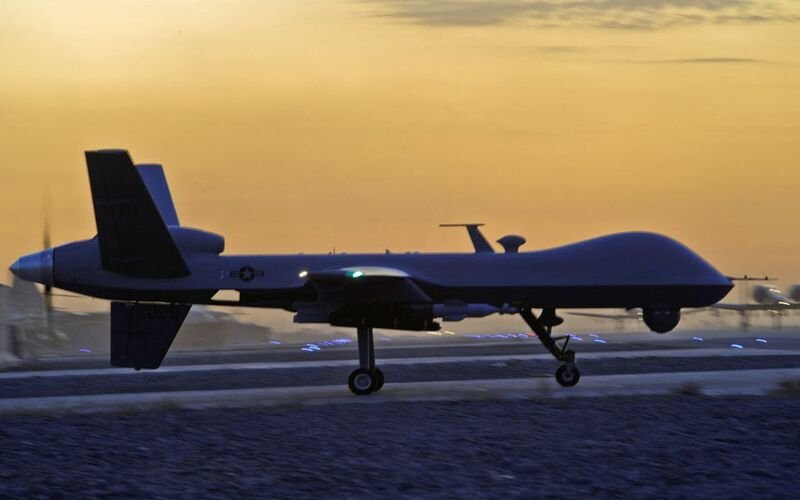
India’s recent move to bar military drone manufacturers from utilizing Chinese parts has stirred discussions within the defense and technology sectors. This decision reflects India’s commitment to safeguarding its national security interests amidst evolving geopolitical dynamics.
The Chinese Parts Ban
India’s prohibition of military drone manufacturers from incorporating Chinese parts represents a significant policy shift. The ban highlights India’s concerns over potential security vulnerabilities and underscores its efforts to strengthen domestic defense production capabilities.
Motivations and Implications
Several key motivations and implications have arisen from India’s decision to restrict the use of Chinese parts in military drones:
National Security Considerations
India’s foremost motivation for the ban lies in its determination to protect national security. Integrating Chinese components in military drones raises apprehensions about data security, potential espionage, and unauthorized access.
Strengthening Domestic Capabilities
By imposing the ban, India aims to enhance its domestic defense manufacturing ecosystem. The move encourages investment in research, development, and production of drone components within the country, bolstering self-reliance and reducing dependency on foreign sources.
Geopolitical Significance
The ban holds geopolitical significance, reflecting India’s cautious approach to international relations. The decision clearly conveys India’s intentions to align its defense strategies with its diplomatic priorities.
Shaping India’s Defense Landscape
India’s decision to bar military drone manufacturers from using Chinese parts has far-reaching implications for its defense landscape:
Technological Autonomy
The ban aligns with India’s aspiration for technological autonomy in defense production. India aims to secure its defense capabilities by promoting indigenous research and innovation while fostering innovation-driven growth.
Industry Collaboration
The prohibition encourages collaboration between India’s defense industry and research and development institutions. This synergy fosters knowledge sharing, technology transfer, and skill development, ultimately contributing to a robust defense ecosystem.
Regional Influence
The ban amplifies India’s regional influence by signaling its commitment to safeguarding security and technological sovereignty. As a key player in the Asia-Pacific, India’s actions may influence similar decisions by neighboring nations.
Conclusion
In this comprehensive analysis, we unveiled India’s decision to prohibit military drone manufacturers from using Chinese parts and examined the motivations and implications behind this policy shift. The ban resonates with India’s pursuit of national security, defense, self-reliance, and technological autonomy. As India navigates the complex landscape of defense production, its actions will shape its defense capabilities, influence regional dynamics, and serve as a testament to its strategic foresight in safeguarding its interests.

