

Understanding Germany’s $1 Trillion Advantage in ECB Policies
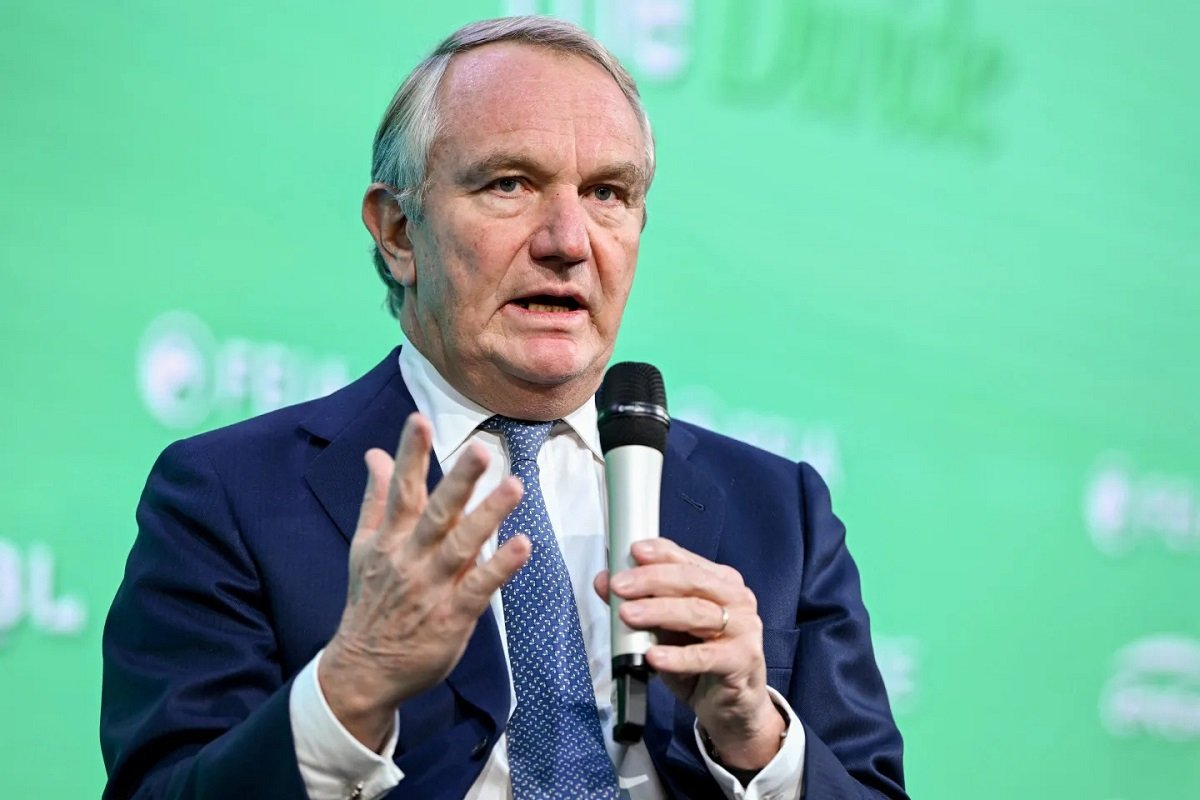
The remarks made by Deutsche Bank Chairman Alexander Wynaendts at the International Economic Forum of the Americas in Paris have sparked renewed debates about economic fairness within the European Union. His assertion that Germany gained a $1 trillion advantage from European Central Bank (ECB) policies during the eurozone debt crisis has drawn significant attention. Referred to as “free money,” this claim, first made in November 2023 but gaining traction in March 2025, highlights the complexities and disparities embedded in the EU’s financial mechanisms.
The Role of ECB Policies in Economic Stabilization
During the height of the eurozone debt crisis, the ECB implemented measures such as low-interest rates and bond-buying programs under quantitative easing. These interventions were designed to stabilize the region’s economies, prevent defaults, and maintain investor confidence. However, according to Wynaendts, these policies inadvertently favored stronger economies like Germany, allowing them to reap disproportionate benefits. Lower borrowing costs enabled Germany to invest heavily in infrastructure, support business growth, and enhance fiscal flexibility—all while other nations grappled with austerity measures.
This dynamic raises critical questions about the intended and unintended consequences of collective monetary tools. While the ECB’s actions succeeded in averting a deeper crisis, they also underscored structural imbalances within the EU. Stronger economies appeared to capitalize on shared financial instruments, leaving weaker nations to shoulder the burden of adjustment.
A Closer Look at the Numbers
The $1 trillion figure cited by Wynaendts may seem abstract to the average citizen, but its implications are far-reaching. For Germany, lower borrowing costs translated into tangible advantages across multiple sectors. Businesses expanded operations, public projects flourished, and the country maintained its position as an economic powerhouse. Meanwhile, less affluent member states struggled to access similar opportunities, deepening existing inequalities within the bloc.
While no official response from German or ECB officials accompanied the report, the absence of rebuttal invites speculation. Was Wynaendts shedding light on an uncomfortable truth, or was his assessment too simplistic? The timing of the article’s resurgence—nearly two years after his speech—suggests that the issue remains relevant amid ongoing economic challenges in Europe.
Broader Implications for EU Solidarity
The debate surrounding Germany’s perceived advantage touches on deeper tensions within the EU. On one hand, Germany’s economic strength serves as a stabilizing force for the bloc, providing a foundation for recovery during turbulent times. On the other hand, the uneven distribution of benefits has fueled resentment among member states, particularly those still recovering from the financial and pandemic-related crises.
Critics argue that reforms are necessary to ensure a more equitable distribution of gains. Proposals include revisiting fiscal rules, enhancing risk-sharing mechanisms, and addressing structural imbalances. Defenders of the current system, however, emphasize market realities and the inherent challenges of aligning diverse economies under a single monetary policy.
Navigating Post-Pandemic Challenges
As Europe continues to navigate post-pandemic recovery and transitions toward sustainable energy, the implications of Wynaendts’ comments resonate strongly. The EU’s interconnected economy means that every windfall experienced by one nation has ripple effects across others. This interdependence underscores the need for careful consideration of how monetary policies impact different regions.
The question remains: Is Germany’s advantage a fair reward for contributing to regional stability, or does it expose flaws in the EU’s financial architecture? There are no easy answers, but the urgency of addressing these concerns cannot be overstated. Policymakers must strike a delicate balance between fostering growth and ensuring fairness—a task that requires collaboration, transparency, and innovation.
Conclusion
Alexander Wynaendts’ assertion about Germany’s $1 trillion gain from ECB policies has reignited discussions about economic equity within the EU. While the figure itself may appear abstract, its real-world consequences highlight the complexities of shared monetary frameworks. As Europe faces evolving challenges, the conversation around balancing rewards and responsibilities remains both open and vital. Only through thoughtful dialogue and targeted reforms can the EU hope to strengthen its foundations and ensure a more inclusive future for all member states.

