

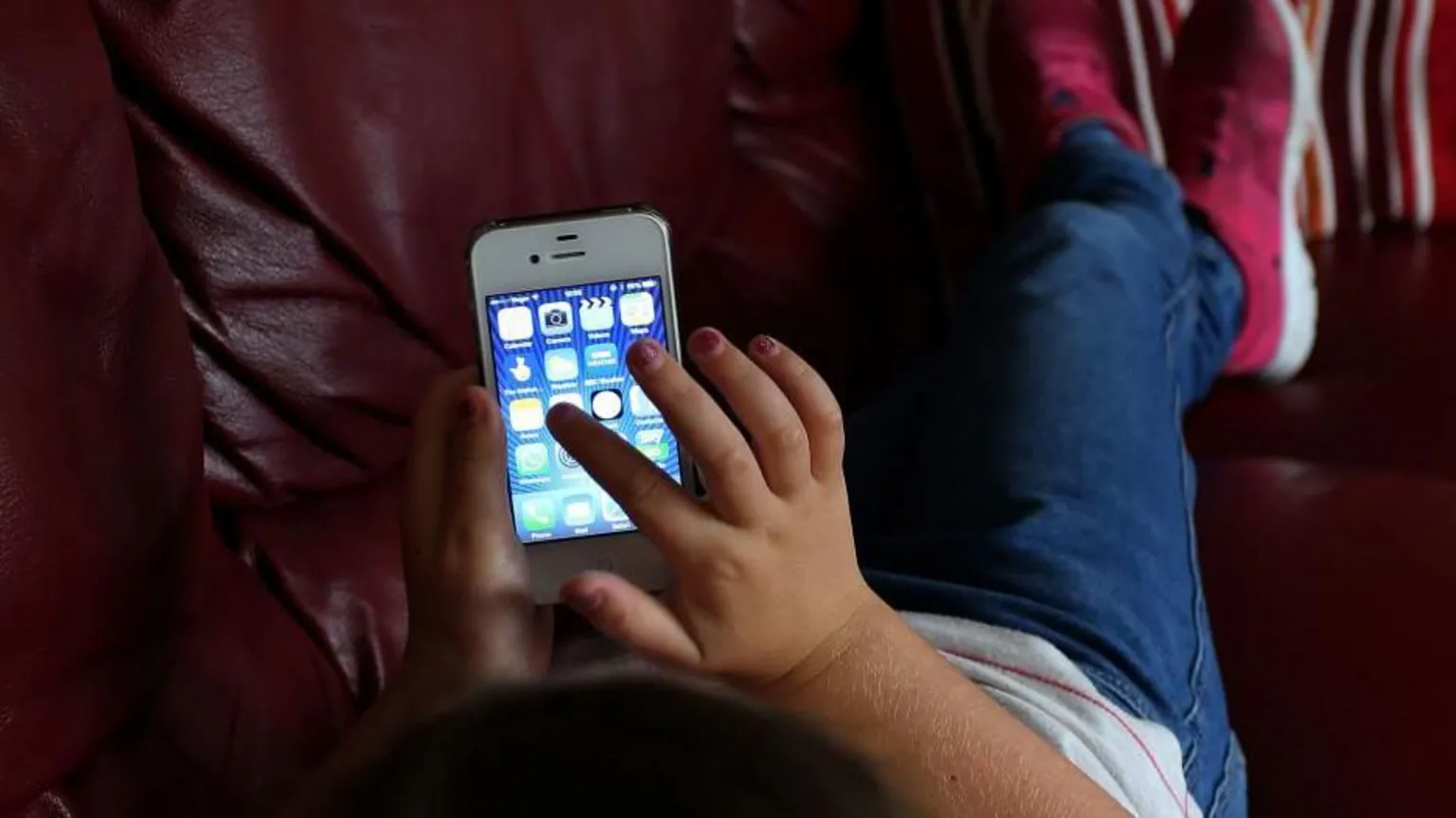
Greece is planning to ban social media use for children under 15 starting January next year, in what is becoming part of a wider global push to limit young people’s exposure to online platforms.
Prime Minister Kyriakos Mitsotakis said the move is aimed at tackling rising levels of anxiety, poor sleep, and what he described as the “addictive design” of apps like TikTok, YouTube, and Snapchat.
According to the government, many young people feel overwhelmed by constant comparison, online pressure, and the need to always stay connected. Parents have also reported that children are sleeping less and becoming more anxious due to excessive screen time.
The proposed law would introduce strict age verification measures, potentially requiring platforms to regularly confirm users’ ages. Greece is also pushing for a broader European Union-wide policy, including a coordinated ban for under-15s and periodic re-checks of user ages.
This isn’t happening in isolation. Countries like Australia have already taken even stricter steps—forcing platforms to remove accounts held by under-16s or face heavy fines—while others such as France, Spain, and Austria are exploring similar restrictions. The United Kingdom, Ireland, and Denmark are also considering new rules.
Still, the plan is controversial. Social media companies argue that outright bans are hard to enforce and could isolate vulnerable teenagers who rely on online communities. Firms like Meta and Google also dispute claims that their platforms alone are responsible for mental health issues, saying the problem is more complex.
However, pressure is growing. A recent US court case found companies behind major platforms liable in a case involving childhood addiction to social media, adding momentum to stricter regulation worldwide.
In essence, Greece’s decision reflects a bigger shift: governments are increasingly treating social media not just as a tech issue, but as a public health concern—especially for younger users.

