

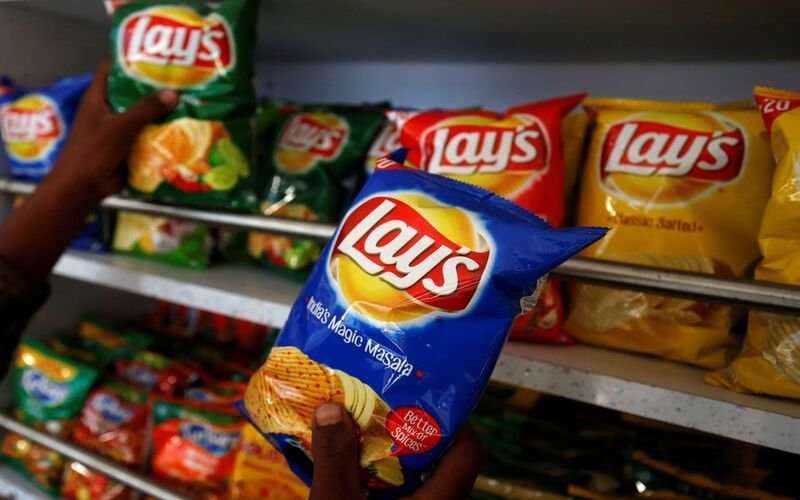
Indian court rejects PepsiCo’s potato patent revocation petition. PepsiCo, the multinational food and beverage company, faced a significant setback as an Indian court turned down its appeal against the revocation of a patent related to a specific variety of potatoes. The court’s decision marks a crucial development in the ongoing legal dispute between PepsiCo and Indian farmers. This article delves into the court’s ruling and its implications for PepsiCo and the farming community.
Background of the Patent Dispute
PepsiCo had obtained a patent for a genetically modified variety of potatoes called FL-2027, primarily used in producing Lay’s potato chips. The company claimed exclusive rights over cultivating and selling this particular potato variety in India.
However, PepsiCo’s patent drew widespread criticism and resistance from farmers, agricultural activists, and organizations advocating for farmers’ rights. They argued that the patent was unjustified and threatened traditional farming practices and the livelihoods of potato farmers.
Court’s Decision and Rationale
The Indian court’s decision to reject PepsiCo’s appeal against the revocation of the potato patent is considered a victory for the farming community. The court ruled in favor of the farmers, emphasizing the importance of protecting their rights and the freedom to cultivate traditional crop varieties.
The court based its decision on the principle that patents should not impede the interests of farmers and the general public. It underscored the need to balance intellectual property rights and the socio-economic impact on farmers and the agricultural sector.
Implications and the Way Forward
The court’s ruling against PepsiCo’s patent has broader implications for intellectual property rights, farmers’ rights, and the agricultural sector in India:
- Farmers’ Rights Protection: The decision upholds farmers’ rights to freely cultivate traditional crop varieties without facing legal repercussions from corporations holding patents. This reinforces the importance of preserving traditional farming practices and safeguarding farmers’ livelihoods.
- Corporate Accountability: The ruling serves as a reminder to corporations to consider the socio-economic impact of their patents and respect the rights of farmers and local communities. It highlights the need for responsible corporate practices in the agricultural sector.
- Promotion of Crop Diversity: The court’s decision encourages preserving crop diversity and using traditional seeds and varieties. This supports sustainable agriculture practices and maintains a rich genetic pool for future crop development.
- Policy Reflection: The ruling may prompt policymakers to review and refine intellectual property laws and regulations to strike a fair balance between protecting innovation and safeguarding the interests of farmers and the agricultural sector.
Conclusion
The Indian court’s rejection of PepsiCo’s appeal against revoking its potato patent represents a significant win for farmers’ rights and the agricultural community. The ruling underscores the importance of balancing intellectual property rights and the socio-economic impact on farmers. It serves as a reminder to corporations to act responsibly and consider the broader implications of their patents. The decision promotes the preservation of crop diversity and encourages sustainable growth in India’s agricultural sector.

