

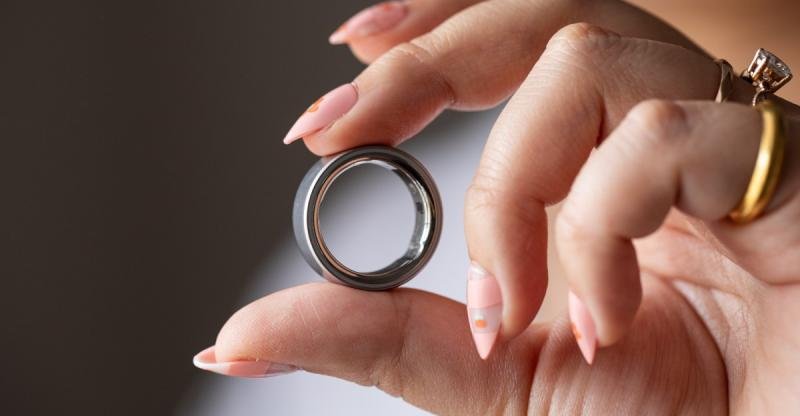
The Oura ring, a screen-free sleep tracker that’s light and requires a monthly fee, is giving the Apple Watch a run for its money. The company expects to hit $1 billion in sales this year, helped by famous fans like Jennifer Aniston, Gwyneth Paltrow, and Michael Dell.
This ring tracks sleep, activity, and other health data. It started as a small idea in Finland and grew into a popular alternative to smartwatches for executives, athletes, and entertainers. As Oura grows, major tech companies are fighting back with their own health tech. Oura was once the underdog, but now it has to compete with the big companies it challenged.
CEO Tom Hale says he has a plan to keep Oura on top.
Oura expects to make $1 billion in sales in 2025, doubling its 2024 revenue. More than half of all Oura Rings ever sold were purchased last year (5.5 million).
But companies like Google, Samsung, and Apple are pushing into health tracking, releasing new gadgets and AI features. Apple, Samsung, and Google’s Fitbit now offer sleep and health options similar to Oura. Oura wants Oura Rings to work with more devices on your body and to improve your smartphone use. He told CNN, Phones are really powerful for processing and understanding data. How can we make the most of that?
Oura chose rings to make tracking more precise. That decision has worked well, as people want simple devices without screens, says Jitesh Ubrani from the International Data Corporation.
Hale says they’re willing to grab info from other body parts. He wants to check brainwaves from the ears and keep an eye on body temperature and heart activity from the chest.
But Oura will not build those devices itself. Hale says they would rather partner with other wearables that offer unique features. Ready works with Dexcom, which makes glucose sensors, combining ring info (like heart rate, sleep, and activity) with glucose data. Hale says upcoming partnerships will likely focus on medical tech rather than regular gadgets to ensure precise results.
Hale thinks smartphones could become central for health checks. He’s seen ideas for detecting stress or breathing issues by analyzing voice patterns. While companies like Canary Speech and Together by Renee offer similar voice tech, Amazon’s old Halo app tried using tone analysis to understand feelings.
Hale thinks AI will eventually combine wearable data with medical records to give a clearer picture of customer health. Arielle Trzcinski, an analyst at Forrester, says this would make care more efficient. Doctors need to know what’s happening with patients outside of quick checkups.
The field is changing quickly for Oura. Google now has an AI health coach similar to Oura’s tools. Apple just added blood pressure alerts to the Apple Watch and heart rate tracking to AirPods. Samsung launched its first health-tracking ring last year, taking on Oura directly, and is working on an AI health chatbot. NTs have grown their health services by buying other companies and forming partnerships. When asked whether Oura would ever be acquired by a larger company, Hale said that staying independent helps people trust them. He said, That’s good for us, but might not be if someone came calling, because people could lose trust. Health depends a lot on trust, in my opinion, and Oura has gotten that right.”
Healthcare providers have told Oura that they like that it works with both iPhone and Android, which might not be the situation if a bigger company bought them.
Meanwhile, Oura is dealing with a fast-moving AI market. People are asking tools like ChatGPT about health, and new competitors like Meta’s smart glasses and other AI wearables are also seeking attention. Meta’s glasses are not fitness trackers, but the newest Oakley model has sports features.
To stay ahead, Grace Harmon, a tech and AI analyst for eMarketer, says Oura needs to improve both its tech and software. With devices starting at $349 and a $6 monthly fee, Oura must provide clear health advice that’s worth the price. Apple and Samsung do not charge extra for their smartwatches, but some Google analytics require Fitbit Premium.
Harmon says the best part must be the software, especially how well it can advise on recovery, stress, and general health. Oura’s new AI helper, released this year, answers customer questions about sleep and other data.
Hale thinks wearables could change how we handle long-term illnesses, helping people get help faster when symptoms worsen. He is considering more personalized data for conditions like chronic fatigue syndrome and lupus. He says, How can I spot it early and do what’s needed quickly? I think that could change everything.”

