

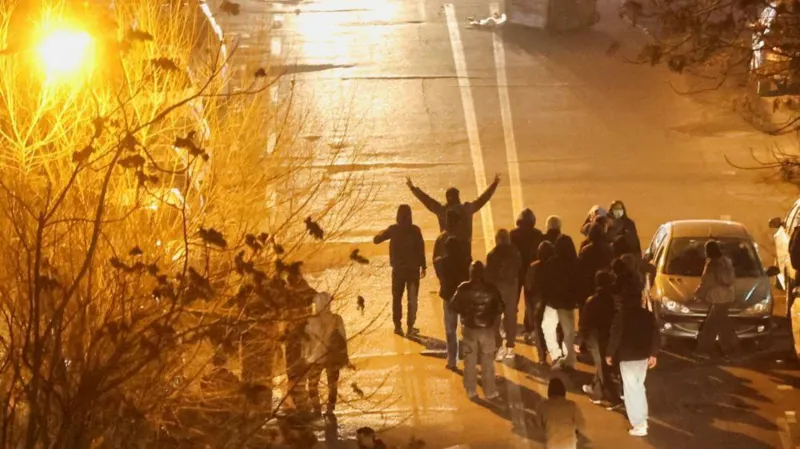
Iran is experiencing the most serious domestic unrest since the 1979 Islamic Revolution. Widespread protests began in late December after a sharp collapse in the value of the Iranian rial and soaring inflation, prompting ordinary traders and citizens to strike and take to the streets. Within weeks, protests spread nationwide, demanding economic and political change.
The government has responded with a ferocious crackdown: live ammunition, arrests, and a near-total communications blackout. Mortuary videos and hospital reports reveal a rapidly rising death toll, with more than 20,000 reportedly arrested in just a few weeks. Legal penalties have hardened, and protesters are being charged with crimes that can carry the death penalty. Authorities blame foreign enemies, particularly the US and Israel, for instigating unrest.
Supreme Leader Ayatollah Ali Khamenei, aided by the Islamic Revolutionary Guards Corps (IRGC), retains ultimate authority. Despite internal and external pressures—including repeated threats of US military action under President Trump—the regime shows no sign of yielding. Experts say military intervention could either bolster regime unity or further inflame unrest.
Exiled former crown prince Reza Pahlavi has emerged as a vocal figure in the protests, calling for a democratic transition while not advocating a return to monarchy. Other voices, including Nobel laureate Narges Mohammadi, stress that change must come peacefully from within.
The situation remains unpredictable and perilous, with Iran’s political, economic, and social systems deeply strained after years of sanctions, mismanagement, and restrictions on personal freedoms.

