

Iran has said a negotiated settlement is the only way to end its conflict with the United States and Israel, after US President Donald Trump rejected Tehran’s proposal to reopen the Strait of Hormuz and halt the fighting.
Iranian Foreign Minister Abbas Araghchi said Sunday that Tehran’s conditions for reopening the strategic waterway remained unchanged. He added that Iran was still waiting for mediators to deliver an official US response before deciding how to proceed.
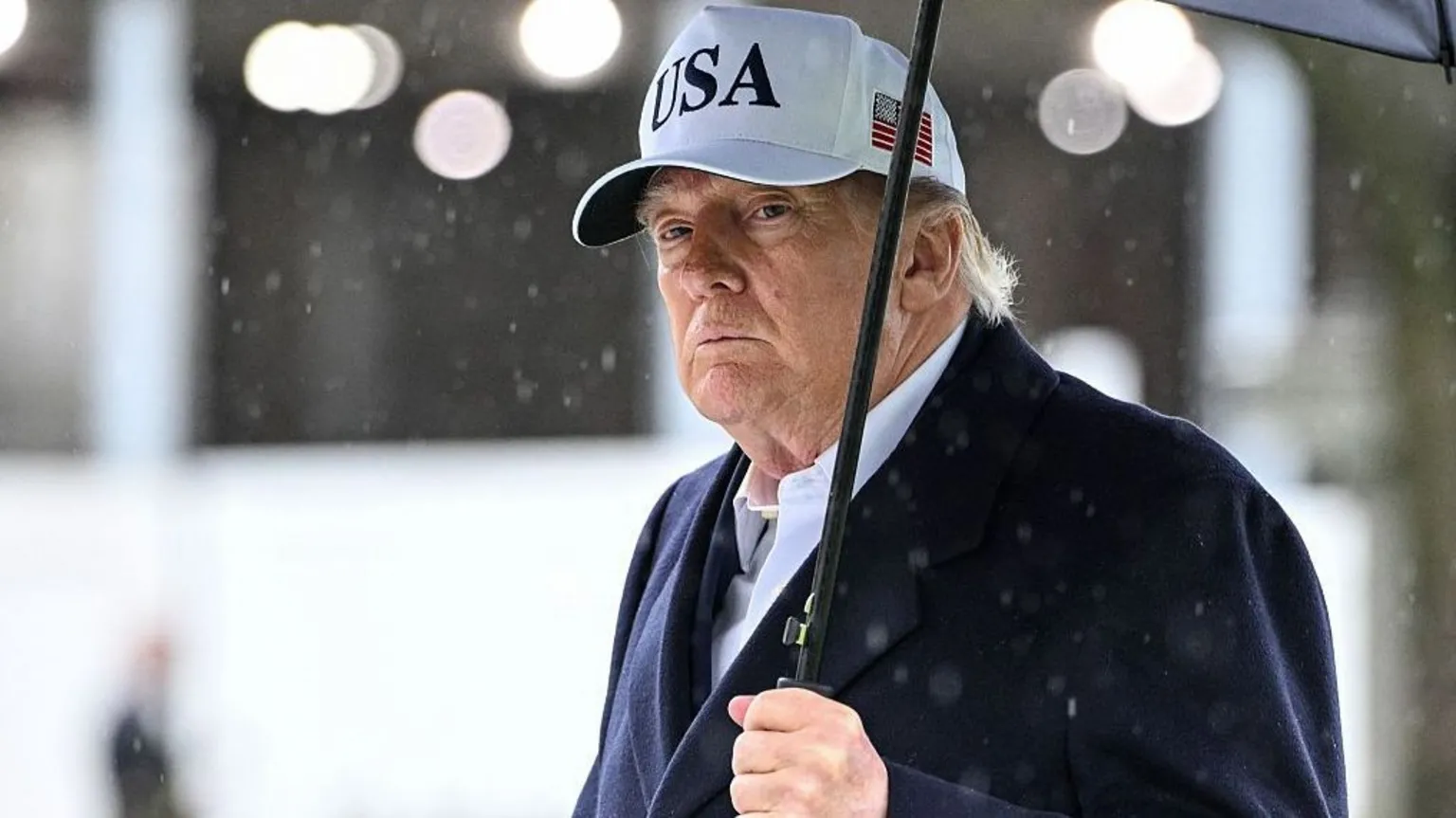
Trump told reporters at the White House on Saturday that he had rejected the Iranian proposal. Tehran had offered to begin a seven-day process that could lead to the reopening of the Strait of Hormuz and an end to hostilities, with the proposal reportedly transmitted to Washington through Qatari mediators.
Trump argued that Iran was seeking the agreement because the conflict and restrictions on shipping were putting severe pressure on its economy. He also said the US had established control over the strategically important waterway.
Araghchi acknowledged Trump’s comments but said Tehran had not yet received a definitive rejection through the diplomatic channels handling the negotiations. He said Iran would wait for the mediators’ response before making its next decision.
Iran’s President Masoud Pezeshkian has also called for diplomacy, saying the mistrust created by the war would have to be overcome before negotiations could succeed. Iranian officials have said they are prepared to discuss implementation of an earlier memorandum of understanding in stages, provided Washington demonstrates that it does not intend to seek regime change.
The Strait of Hormuz has become a central issue in the conflict because it is one of the world’s most important energy shipping routes. Traffic through the waterway has fallen sharply during the conflict, with Reuters reporting that only 17 commodity vessels crossed during one recent weekend, compared with a pre-war average of around 125 vessels a day.
Oman, which has played a mediating role between Washington and Tehran, has urged the parties to maintain dialogue and cooperate on keeping navigation through the strait secure. The issue has also raised concerns in global energy markets because disruptions to the waterway can affect oil and gas supplies.
The Trump administration has continued to apply economic pressure on Tehran. US officials have pointed to sanctions and restrictions affecting Iranian trade and financial transactions as evidence that the measures are putting pressure on the Iranian economy. Iran’s major trading partners, particularly China, remain important to the effectiveness of those measures.
The latest dispute comes after Iran signalled earlier in September that it could reopen the Strait of Hormuz within seven days if Washington reduced military pressure and lifted its blockade of Iranian ports.
For now, however, Washington and Tehran remain divided over the terms of any agreement. Iran says the reopening of the waterway must be linked to broader negotiations, while Trump has rejected the proposal and continues to demand changes from Tehran.

