

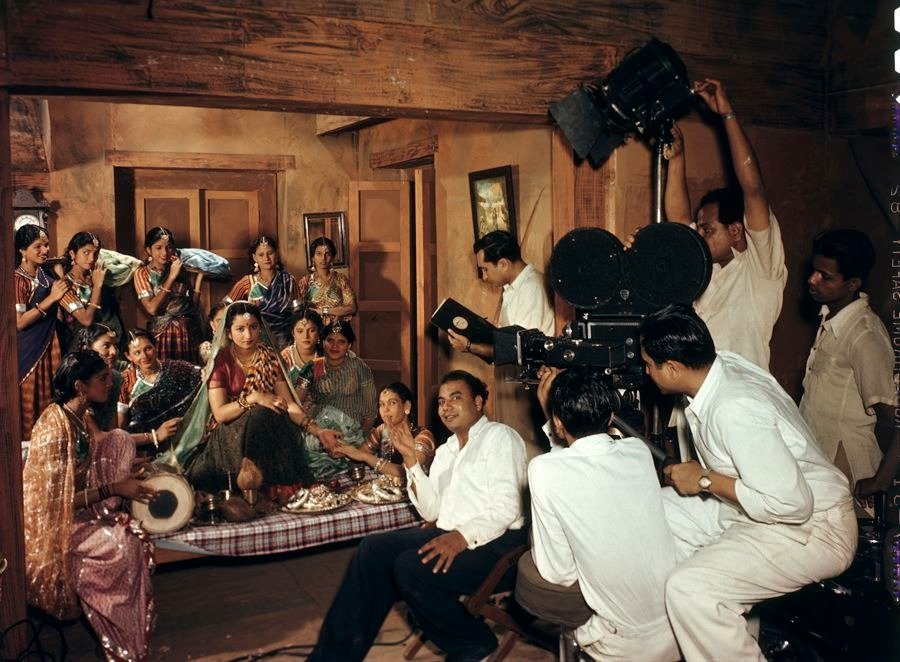
Artificial intelligence is rapidly becoming part of everyday filmmaking in India, reshaping how movies are created, marketed and distributed. What was once limited to behind-the-scenes experimentation is now influencing everything from casting decisions to visual effects, making AI one of the most talked-about forces in Indian cinema today.
The scale of India’s film industry helps explain the speed of adoption. India produces more films each year than any other country, spanning Bollywood and dozens of regional industries. Managing tight budgets, short timelines and massive output has pushed filmmakers to look for tools that can increase efficiency without compromising visual quality.
One of the most visible uses of AI in Indian cinema is in visual effects. AI-powered software can now generate backgrounds, enhance scenes and replicate crowds far faster than traditional methods. Tasks that once took weeks of manual work can be completed in days, significantly reducing post-production costs.
AI is also being used to digitally alter actors’ appearances. De-aging technology allows performers to appear younger on screen, while facial adjustments can help maintain continuity between scenes shot at different times. These tools have become increasingly common, especially in big-budget productions.
Voice cloning is another area where AI is making an impact. Using machine learning, studios can replicate an actor’s voice to modify dialogue without bringing performers back into the recording booth. In India’s multilingual film landscape, this also allows dialogue to be adapted into multiple languages while preserving the original tone and performance.
Beyond technical enhancements, AI is starting to influence creative decisions. Some production companies use AI tools to analyze audience behavior, box office data and streaming trends. These insights help filmmakers understand what genres, themes and actors are currently resonating with viewers.
Streaming platforms have played a major role in accelerating AI adoption. With intense competition for attention, platforms rely heavily on data to decide what content to commission and promote. Algorithms help predict viewer preferences, shaping scripts and storylines long before cameras start rolling.
AI is also being used in marketing and distribution. Trailers, posters and promotional campaigns can be tested and optimized using AI-driven audience analysis. This allows studios to tailor promotions to different regions and demographics more precisely than ever before.
India’s regional film industries have embraced AI alongside Bollywood. Telugu, Tamil, Malayalam and Kannada filmmakers are increasingly using AI tools to compete visually with larger productions. Affordable AI software has lowered the barrier for smaller studios to access advanced effects and editing techniques.
However, the rapid rise of AI has also raised concerns among creative professionals. Writers, editors and visual effects artists worry that automation could reduce job opportunities, particularly for junior roles traditionally used as entry points into the industry.
Ethical questions are becoming harder to ignore. The ability to recreate an actor’s face or voice using AI raises issues around consent and ownership. There is growing debate over who controls an actor’s digital likeness and how it can be used after a project ends.
The use of AI to recreate deceased actors or extend performances beyond original agreements has sparked particular concern. Critics argue that without strict rules, AI could blur the line between tribute and exploitation.
India currently lacks clear legal frameworks governing AI use in entertainment. Intellectual property laws were not designed for algorithms that can generate or replicate creative work. As a result, studios and artists are operating in a largely unregulated space.
Industry bodies and unions have begun calling for clearer guidelines. They argue that while innovation should be encouraged, protections are needed to ensure artists retain control over their work and image.
Despite these concerns, many filmmakers see AI as a supportive tool rather than a replacement for human creativity. Directors often emphasize that AI cannot replace emotional depth, cultural nuance or storytelling instincts rooted in lived experience.
Younger filmmakers, in particular, are more comfortable working alongside AI. Having grown up with digital tools, they view algorithms as part of the modern creative toolkit rather than a threat. Film schools and training programs are beginning to include AI-based workflows in their curricula.
Audiences, meanwhile, are often unaware of how extensively AI is used. When integrated smoothly, the technology enhances realism without drawing attention to itself. This subtlety has helped AI become widely accepted by viewers.
India’s film industry has a long history of adapting to new technology. From the introduction of sound and color to the shift from film reels to digital projection, each change initially faced resistance before becoming standard practice. AI is now following a similar path.
Independent filmmakers are also beginning to experiment with AI. With limited budgets, they use AI tools for editing, color grading and basic visual effects, allowing them to focus resources on storytelling and performance.
At the same time, critics warn that over-reliance on data and algorithms could lead to formulaic cinema. If creative decisions are driven too heavily by predicted success, originality and risk-taking may suffer.
There is also concern that AI-driven trend analysis could narrow the diversity of stories being told. Films that do not fit established patterns might struggle to secure funding or distribution.
Still, many in the industry believe balance is possible. Used responsibly, AI can handle repetitive and technical tasks, giving filmmakers more time to focus on creative vision, character development and emotional storytelling.
As AI tools become more sophisticated and affordable, their presence in Indian cinema is likely to grow. What remains uncertain is how the industry will regulate their use and protect creative integrity.
For now, Indian cinema stands at a turning point. AI is transforming production processes while forcing difficult conversations about ethics, labor and creativity. How filmmakers choose to navigate this shift will shape the future of storytelling on Indian screens.
Lights, cameras and algorithms are now working side by side. In one of the world’s most prolific film industries, AI has moved from novelty to necessity, quietly redefining how movies are made and imagined.

