

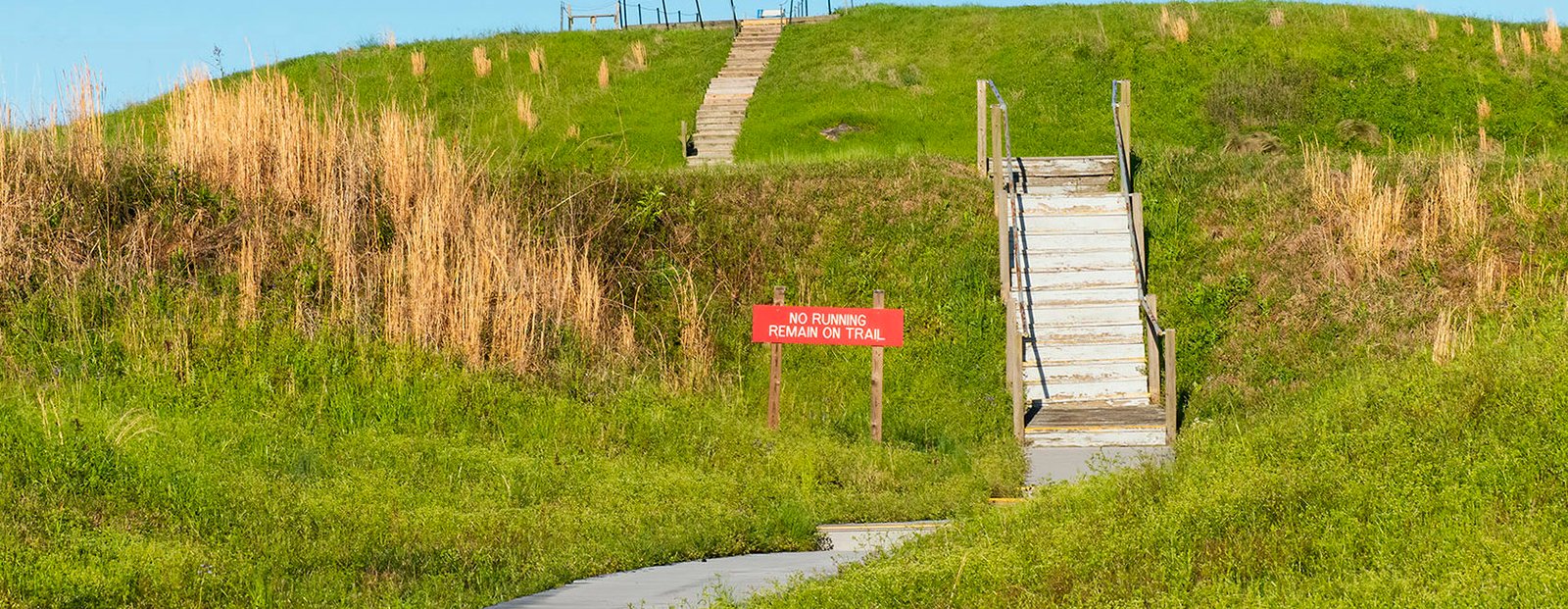
Deep in Louisiana’s bayous, Watson Brake’s earthworks shatter old tales of early America. These hunter-gatherer mega-mounds, clocking 5,400 years old, predate Egypt’s pyramids by centuries—oldest big builds in the Americas, hands down.
Forget the myth: no farms or villages needed for epic engineering. Nomadic bands hauled tons of dirt into precise ovals, proving social smarts trumped settled life.
In Ouachita Parish, eleven mounds link via ridges, spanning 20 acres. Towering 25 feet, they crown a flood-proof ridge—clever folks dodging seasonal deluges.
Digs uncover fish, deer, turkey feasts—no pottery, no corn. Wetland wanderers thriving wild, building from 3400 BC in phases, eons before Giza’s blocks or Stonehenge stones.
Oval perfection hints geometry whizzes, maybe star-gazers. Ritual hub? Seasonal camp? Trade spot for far-flung clans? No houses say gathering ground for feasts, rites, bonds—not a city.
It upends Poverty Point nearby—once “America’s earliest”—now a sequel to Watson’s ancient script.
Miracle it’s intact: farms, loggers ravaged surrounds, but site’s shielded. LiDAR lasers now unveil secrets sans shovels.
Sudden boom baffles—no baby mounds nearby. Knowledge exploded: communal mojo, shared zeal moved mountains sans kings or surpluses.
Mobile makers returned centuries, tools and char showing seasonal pilgrimages. Cultural magnet, identity anchor.
Soil smarts shine: clays picked for endurance—engineers, not grunters, crafting millennia monuments.
Global nods grow: LiDAR spotlights sophistication. Textbooks rewrite—Americas’ story deeper, richer.
Watson whispers transition: nomads to nations, South’s silent sage predating empires.
Imagine: bayou sunsets over mounds, ancestors’ echoes challenging “primitive” labels. History humbles.

