

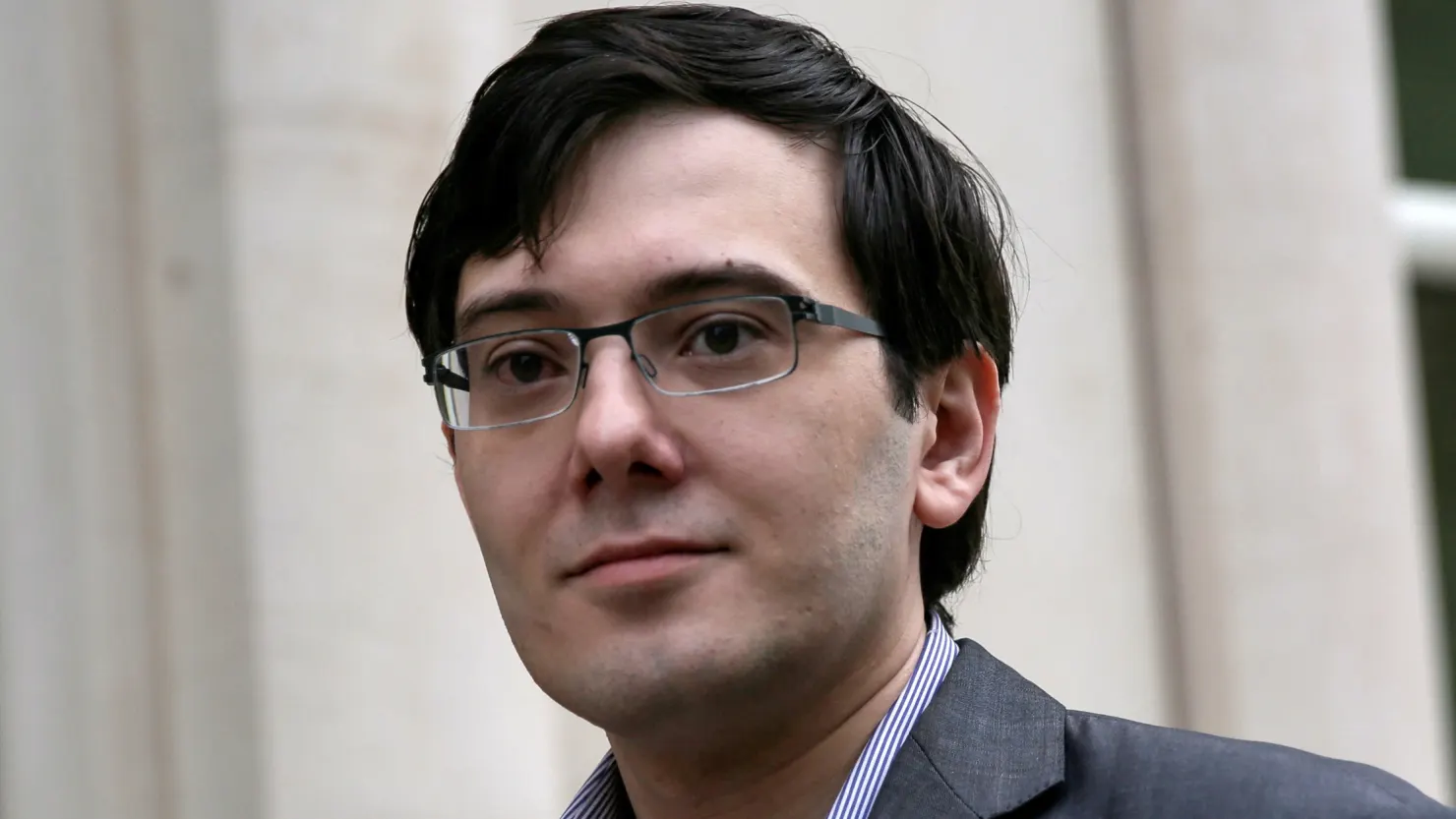
The Federal Trade Commission and seven U.S. states have asked a federal judge to hold former pharmaceutical executive Martin Shkreli in contempt, alleging that he repeatedly violated a 2022 court order prohibiting him from participating in the pharmaceutical industry for life.
In a filing announced Tuesday, October 13, the FTC and the states alleged that Shkreli breached the order after his release from prison in May 2022 by publicly trading shares in at least 60 pharmaceutical companies and commenting on the businesses and management of companies in the sector.
The regulators are seeking an order requiring Shkreli to sell any pharmaceutical company stocks he still holds and pay a fine equivalent to profits earned from the trades, plus prejudgment interest. The proposed calculation would not allow him to offset those gains with losses from other trades.
They are also asking the court to establish escalating penalties for future violations, including financial sanctions and possible imprisonment.
Daraprim Case Led to Lifetime Industry Ban
The restrictions stem from a civil antitrust case involving Shkreli’s former company and its pricing of Daraprim, a drug used to treat certain parasitic infections. Authorities found that Shkreli had helped orchestrate an anticompetitive scheme designed to preserve the company’s monopoly on the medication.
During his tenure, the price of Daraprim rose from $17.50 per tablet to $750, drawing widespread criticism over the cost of essential prescription medication.
In 2022, a federal judge barred Shkreli from the pharmaceutical industry for life and ordered him to surrender more than $64 million. The FTC says the latest filing is intended to enforce those existing restrictions.
FTC Commissioner Mark Meador said the case demonstrates that lifetime industry bans must be backed by consequences when defendants violate court orders.
Daniel Guarnera, director of the FTC’s Bureau of Competition, said the original trial established that Shkreli’s conduct increased prescription drug costs for American patients and obstructed the entry of lower-cost generic alternatives. He added that the agency would continue pursuing enforcement when court orders are breached.
The civil proceedings are separate from Shkreli’s criminal case. In 2017, he was convicted of securities fraud involving hedge funds he previously operated and another pharmaceutical company he founded. He received a seven-year prison sentence in 2018 and was released in 2022, after receiving credit for time already served and other factors.
The latest contempt request seeks to enforce the separate lifetime pharmaceutical industry ban. The allegations remain claims by the FTC and the states, and the court has been asked to determine whether Shkreli violated its order.
The case also highlights the regulatory challenges of enforcing restrictions against former executives whose activities in financial markets and public commentary may intersect with an industry they have been barred from participating in.

