

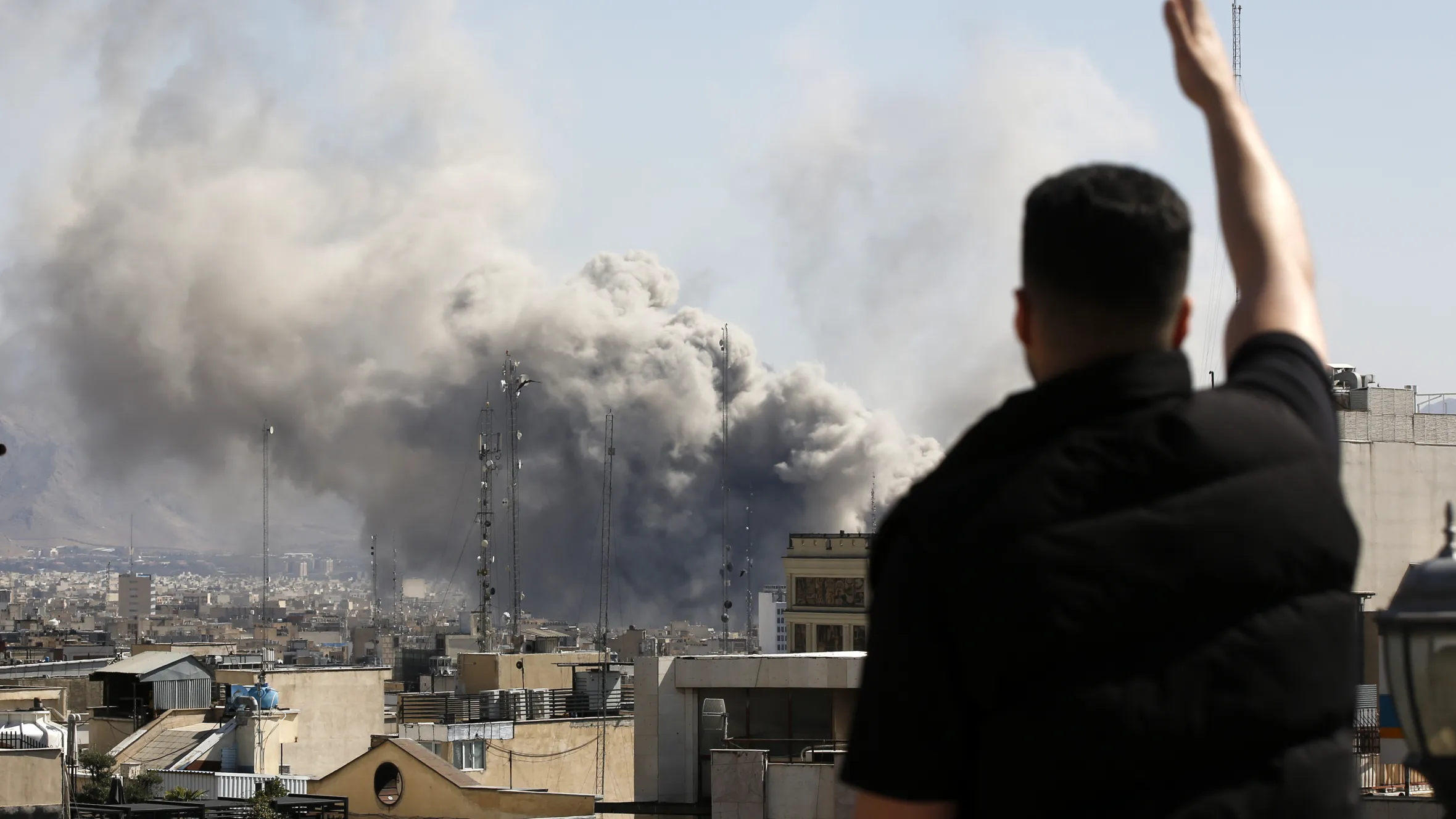
Monday’s trading session in global oil markets read like a thriller script gone haywire: prices exploded upward, propelled by the raging inferno of the U.S.-Israel-Iran war and the specter of a full-blown supply apocalypse. West Texas Intermediate (WTI) and Brent crude futures charged toward $120 per barrel in the opening frenzy—their highest since Moscow’s tanks rolled into Ukraine in 2022—only to pull back later on hints of a lifeline from strategic reserves.
This surge crowned a week of pure bedlam, kicked off by open conflict on February 28. Now in week two, the clash has Wall Street traders glued to screens, hearts pounding as missiles light up critical oil hubs and snarl the planet’s energy highways. It’s not hyperbole: tankers are playing dodgeball with drones, refineries are flickering offline, and those precarious sea lanes—the lifeblood of global commerce—are fighting for survival.
Zeroing in on the epicenter, the Strait of Hormuz teeters on lockdown. This 21-mile-wide bottleneck shuttles 20% of world oil and LNG daily, but U.S. and Israeli precision strikes on Iranian warships and depots have cleared the decks for retaliation. Iran’s counterpunches have sunk or scared off enough tankers to make the Gulf a ghost town for commerce. Insurance premiums for passage have hit absurd heights—some quotes tripled overnight—forcing shipowners to reroute around Africa at crippling costs. Veteran captains, speaking anonymously, describe it as “Russian roulette on water.”
The dominoes are toppling fast among Gulf heavyweights. Iraq’s southern fields, its cash cow, cratered 70% in output, leaving black gold pooling uselessly underground amid security lockdowns. Kuwait’s ports are choked, and the UAE—usually a picture of efficiency—is staring at overflowing tanks, exports frozen. “We’re pumping like mad, but it’s trapped,” a UAE oil ministry official told Bloomberg, a sentiment reverberating from Riyadh souks to Abu Dhabi towers. Saudi Arabia, ever the swing producer, has hinted at ramping up but faces its own Hormuz headache.
Then came the bombshell: Mojtaba Khamenei’s ascent as Iran’s Supreme Leader. Markets recoiled, reading it as hardliners seizing the wheel—no more backchannel talks, just entrenched defiance. “This locks in the war posture,” says Helima Croft, RBC Capital’s head of global commodities strategy. “Diplomacy’s off the table; expect months of premium pricing.” Traders, sifting headlines like archaeologists, priced in the doom.
The numbers told their own brutal tale. WTI rocketed 31% intraday to $119.48, Brent nearly 30% to $119.50—gains evoking the 1973 Yom Kippur War embargo, when prices quadrupled, or Saddam Hussein’s 1990 Kuwait invasion. These swings aren’t footnotes; they erase airline margins, inflate food prices via trucking costs, and jolt stock indices. ExxonMobil shed 5% in sympathy; Delta Airlines warned of fare hikes.
Relief flickered mid-session as G7 treasuries and the IEA floated a mega-release from stockpiles—potentially 100 million barrels, dwarfing 2022’s effort. Yet it’s cold comfort. Goldman Sachs’ Damien Courvalin cautions: “Reserves plug gaps for 60-90 days max against a multi-million-barrel daily shortfall.” A London floor trader summed it up: “Band-Aid for a hemorrhage.”
Consumers feel the sting acutely. U.S. pump prices vaulted 50 cents in a week to $3.48/gallon, eviscerating budgets from Los Angeles freeways to Midwest farms. Europe faces €2.20/liter diesel; Asia’s refiners scramble for spot cargoes at premiums. Inflation hawks like Fed watchers now eye a 0.5% CPI bump, derailing soft-landing dreams. Manufacturers from Boeing to Procter & Gamble brace for input squeezes, while airlines park jets.
Washington’s line is steely. President Trump, campaigning on strength, branded the hike “a small price to pay” for neutering Iran’s axis of aggression—a line firing up supporters but irking swing-state voters at the gas station. Energy Secretary Chris Wright tempers it: “Volatility peaks soon; our diversified supplies—shale, allies—will cushion.” Skeptics point to 1970s stagflation scars.
Spotlight swings to the armada assembling: France’s Charles de Gaulle, U.S. carriers, UK destroyers converging for convoy escorts. Success here could crack the Strait open; failure prolongs the siege. “Escorts worked in the Tanker War,” notes maritime expert Dr. Sal Mercogliano, “but drones change the game.” Until tankers sail unmolested, the war premium—$20-30/barrel baked in—holds firm, echoing crises past.
Beyond prices, this tests the global order. China, oil-thirsty, eyes Venezuelan alternatives; India rations fuel. Renewables cheer the chaos, but short-term, it’s pain. For consumers, it’s higher bills; for policymakers, a high-wire act. The Strait’s fate decides if this is a spike or a sea change—and the world watches, pumps primed.

