

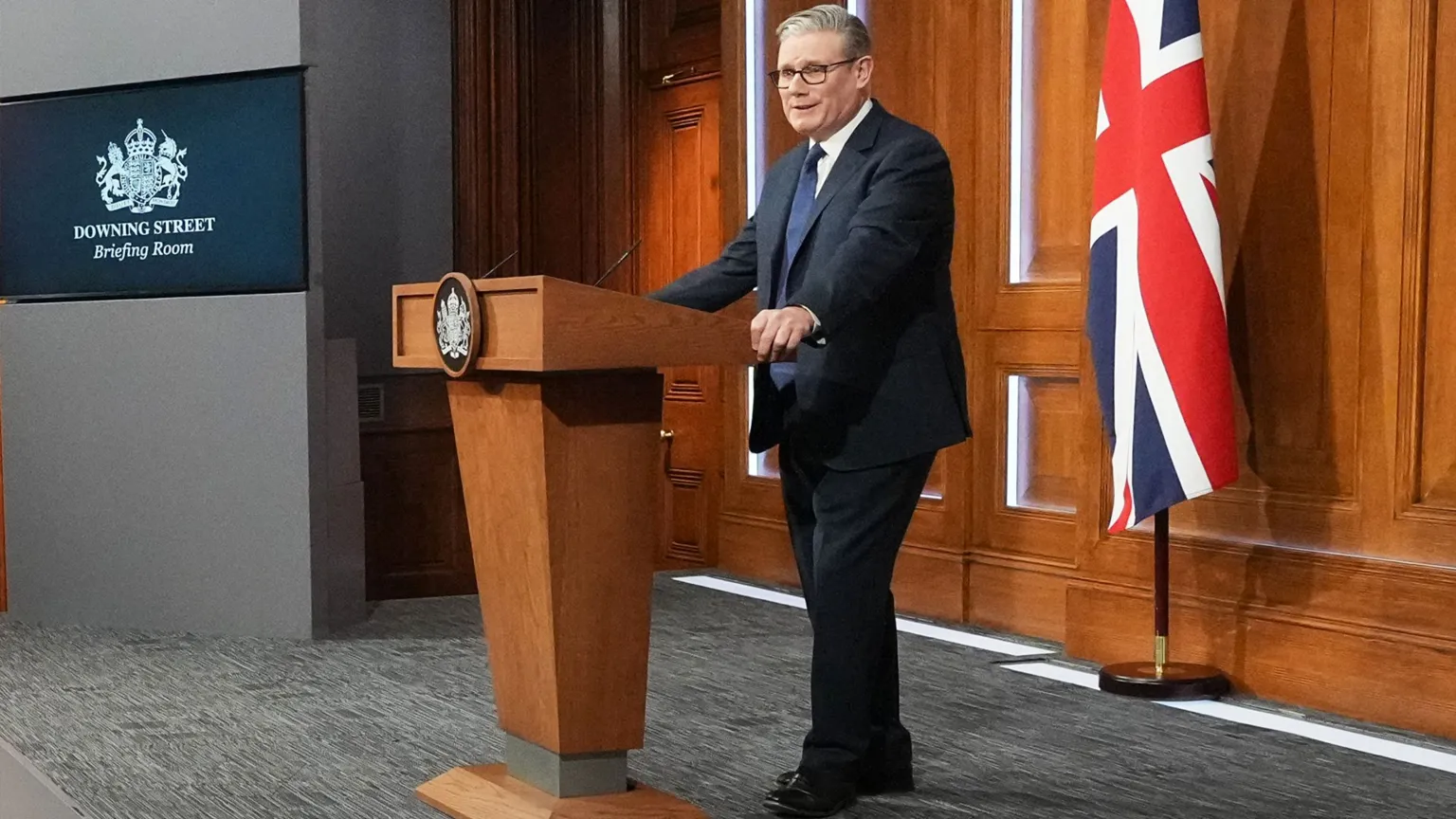
Keir STarmer is heading to the Middle following a fragile ceasefire between the United States and Iran, marking a critical moment in efforts to stabilize the region.
The agreement, announced after weeks of escalating conflict, is expected to last for two weeks. It comes after Donald Trump warned of severe consequences if Iran did not agree to halt hostilities and reopen the vital Strait of Hormuz—a route responsible for roughly 20% of global oil and gas shipments.
Starmer welcomed the deal, calling it a “moment of relief” for both the region and the wider world. His visit to Gulf nations will focus on ensuring the ceasefire holds and pushing for a longer-term agreement. He is also expected to meet UK military personnel stationed in the region.
The stakes are high. Since the conflict began earlier this year—triggered by US and Israeli strikes over concerns about Iran’s nuclear ambitions—Iran has retaliated with attacks across the Gulf and restricted movement through the Strait of Hormuz. This disruption sent global oil prices soaring, raising fuel costs and increasing economic pressure worldwide.
Under the terms of the ceasefire, Iran has agreed to allow safe passage through the strait for the two-week period, while the US has paused its attacks. Both sides have made their commitments conditional, making the situation delicate and uncertain.
Back in the UK, political reactions have been mixed. Some see the ceasefire as a crucial opportunity to push Iran toward changing its behaviour, particularly regarding nuclear development. Others remain sceptical about relying on US leadership, warning that instability could quickly return.
The UK has already been working with international partners, hosting talks with over 40 countries to help secure the shipping route and prevent further disruption. Starmer’s trip is part of a broader diplomatic push to turn this temporary pause into something more lasting.
Ultimately, while the ceasefire eases immediate tensions, it is far from a permanent solution. The coming days will determine whether diplomacy can take hold—or whether the conflict risks reigniting with global consequences.

