

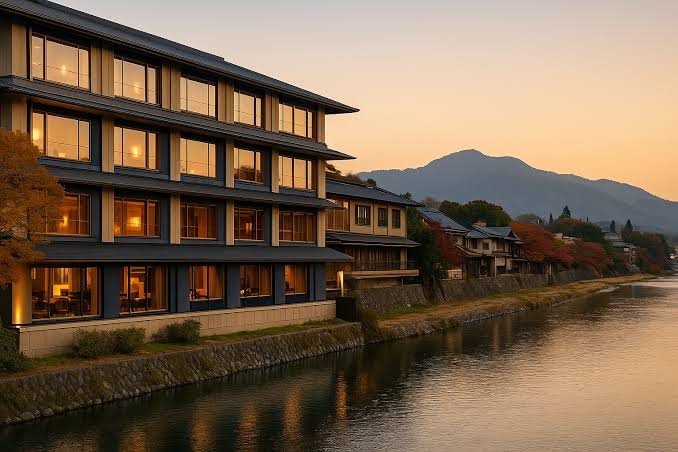
Set gently along the banks of the Kamogawa River, with Kyoto’s mist-covered mountains forming a soft, atmospheric backdrop, The Ritz-Carlton, Kyoto stands as one of Japan’s most understated yet sophisticated luxury hotels. For travellers drawn to calm refinement, cultural depth and impeccably intuitive service, this property offers far more than accommodation — it delivers a deeply immersive experience rooted in Japanese elegance.
From serene Zen gardens and thoughtful architectural details to exceptional dining experiences, the hotel achieves a rare balance between centuries-old tradition and contemporary indulgence.
Why Kyoto Remains Essential for Luxury Travel
Kyoto is the spiritual and cultural heart of Japan. As the country’s former imperial capital, it preserves an extraordinary concentration of temples, shrines, historic tea houses and atmospheric neighbourhoods that appear untouched by modern urgency. The city invites a slower rhythm — one of observation, reflection and quiet appreciation.
Among luxury hotels in Japan, The Ritz-Carlton, Kyoto distinguishes itself through its sensitivity to place. The property feels deliberately woven into its surroundings rather than imposed upon them. From the moment guests arrive, a sense of harmony and intention is unmistakable.
The Character of The Ritz-Carlton, Kyoto
The hotel’s design reflects Japanese minimalism enriched with subtle modern touches. Natural materials, clean architectural lines and expansive views of the river and surrounding mountains create an atmosphere of effortless calm.
With just 134 rooms and suites, the hotel maintains a boutique feel while delivering the full service and amenities expected of a global luxury brand. Accommodations are generously sized, many overlooking the Kamogawa River or the Higashiyama range. Interiors feature sliding shoji screens, hinoki wood soaking tubs and carefully curated calligraphy artworks created by Kyoto-based artisans.
For deeper relaxation, guests can retreat to the spa, which offers traditional Japanese therapies incorporating local botanicals. The indoor pool, overlooking a tranquil courtyard garden, provides a peaceful sanctuary after a day of exploration.
Dining Experiences Inspired by Kyoto
Dining at The Ritz-Carlton, Kyoto is a destination in itself. Mizuki, the hotel’s signature Japanese restaurant, presents seasonal kaiseki menus that evolve throughout the year, alongside dedicated sushi and tempura counters. Each course reflects Kyoto’s culinary philosophy — precision, balance and respect for ingredients.
For a contrasting experience, La Locanda offers refined Italian cuisine within a restored 100-year-old Japanese townhouse. The interplay between Italian flavours and traditional Japanese architecture creates a dining atmosphere that feels both unexpected and deeply harmonious.
Breakfast receives equal attention. Whether choosing a traditional Japanese morning set or a Western-style offering, the quality, presentation and service are meticulous.
Enriching Experiences Within and Beyond the Hotel
Staying at The Ritz-Carlton, Kyoto places guests at the centre of the city’s cultural landscape. The Philosopher’s Path and Nishiki Market are just moments away, offering immediate access to some of Kyoto’s most beloved landmarks.
Within the hotel, guests can participate in authentic cultural activities such as tea ceremonies, origami workshops and guided Zen meditation sessions. These experiences are led by local experts and provide genuine insight rather than surface-level engagement.
Families are equally considered through the Ritz Kids programme, which blends entertainment with cultural learning — including ninja-themed activities, kimono dress-up and calligraphy lessons.
Seasonal Beauty in Kyoto
Kyoto transforms dramatically with each season, offering distinct reasons to return throughout the year. Spring is marked by cherry blossoms, with Maruyama Park and the Philosopher’s Path becoming breathtaking corridors of pink and white. Summer brings vibrant celebrations such as the Gion Matsuri, where lantern-lit streets and traditional parades animate the city.
Autumn turns Kyoto into a canvas of fiery reds and golden hues, particularly at Tofuku-ji Temple and Eikan-do. Winter, meanwhile, introduces a quieter, contemplative charm, as snow-dusted temples and intimate cafés create an atmosphere of hushed elegance.
Choosing when to visit Kyoto — and luxury hotels in Japan more broadly — can dramatically shape the experience. Timing allows travellers to align their stay with personal interests, whether festivals, foliage or solitude.
Cultural Sites That Define Kyoto
Kyoto’s allure extends beyond its architecture into the traditions that continue to shape daily life. Gion, the historic geisha district, remains one of the city’s most evocative areas, with narrow alleyways, exclusive teahouses and preserved wooden facades. At dusk, the fleeting sight of a geiko on her way to an engagement feels almost cinematic.
Landmarks such as Kinkaku-ji, the Golden Pavilion, shimmer across reflective waters, while Ryoan-ji’s famed rock garden invites contemplation and interpretation. These sites are not merely photogenic — they encourage stillness and presence.
Private guided tours can deepen these visits, adding storytelling and historical context that bring Kyoto’s layered past vividly to life.
Practical Guidance for Visiting Kyoto
Kyoto is easily reached via Shinkansen from Tokyo or Osaka. Most international travellers arrive through Kansai International Airport before continuing by rail. For those travelling extensively across Japan, a Japan Rail Pass may be worthwhile, though single tickets often suffice for Kyoto-focused itineraries.
Public transport is efficient, but many visitors prefer exploring on foot or by bicycle. Observing etiquette — such as removing shoes in temples or traditional restaurants and maintaining quiet in public spaces — enhances the experience and reflects local customs.
While major hotels accept cards, many smaller shops and temples operate on a cash-only basis. Preparing in advance ensures a smooth and stress-free visit.
Understanding Japanese Hospitality
What truly elevates luxury travel in Japan is the philosophy of omotenashi — hospitality rooted in anticipation, attentiveness and respect. Service is seamless and intuitive, never intrusive, yet always present.
At The Ritz-Carlton, Kyoto, this philosophy is evident in every interaction. Preferences are remembered, routines anticipated and details handled with precision. Guests are not simply accommodated; they are genuinely cared for.
This sense of ease is what draws travellers back to luxury hotels in Japan time and time again. The experience transcends indulgence and becomes something far more restorative.
Wellness and Restoration at the Ritz-Carlton Spa
Complementing Kyoto’s meditative environment, the Ritz-Carlton Spa focuses on holistic restoration. Treatments combine Japanese wellness traditions with global techniques, using ingredients such as green tea, yuzu and hinoki oils. Signature offerings include the Zen balancing massage and the Kyoto Bamboo Ritual.
Facilities include a 20-metre indoor pool, a fully equipped fitness centre and private treatment rooms overlooking a moss-covered garden. Whether guests seek an immersive wellness journey or a brief restorative pause, experiences are tailored with care.
For many travellers, the spa becomes an essential part of their luxury holiday in Japan — a place where jet lag dissolves and mindfulness begins.
Discovering Kyoto Beyond the Hotel
While relaxation is central to the experience, Kyoto invites exploration. Tailored itineraries can include private geisha dinners, early-access temple visits or guided walks through the Arashiyama bamboo forest.
Every journey is shaped around personal pace and preference — whether slow mornings paired with sake tastings or full days immersed in cultural discovery. Flexibility and thoughtful planning ensure that each stay feels uniquely personal.
Booking with Awake & Wander Luxury Travel
Booking through Awake & Wander Luxury Travel offers more than accommodation. Every journey includes Supplier Failure Insurance and Scheduled Airline Failure Insurance, along with protection through Protected Trust Services membership and ATOL licensing.
This approach ensures that luxury travel is both seamless and secure, combining peace of mind with personalised service.
What Sets Awake & Wander Apart
Awake & Wander Luxury Travel is built on the belief that no two journeys should be the same. Every itinerary begins with listening, followed by meticulous planning and ongoing support throughout the entire travel experience.
With access to over 200 trusted travel partners, the team can secure exclusive benefits such as room upgrades, private guides and added-value inclusions — all designed to elevate the journey without complication.
Other Luxury Hotels in Japan to Consider
Aman Tokyo offers an oasis of calm above the city, blending ryokan-inspired design with panoramic views of the Imperial Gardens. Spacious rooms, deep soaking tubs and an expansive spa create an atmosphere of hushed refinement at the heart of Tokyo.
Accessible only by boat, Hoshinoya Kyoto is a riverside sanctuary in Arashiyama. With no televisions and a focus on cultural immersion, the experience encourages complete disconnection. Michelin-starred cuisine and seasonal rituals define the stay.
In northern Japan, Park Hyatt Niseko blends alpine elegance with Japanese hospitality. Ski-in/ski-out access, exceptional onsens and a diverse dining scene make it a standout for both winter sports enthusiasts and wellness-focused travellers.

