

Global stock markets and energy prices remained volatile on Wednesday amid growing concerns that the conflict involving Iran, the United States and Israel could become prolonged. Major indexes in the United Kingdom, the US and Europe rebounded after two days of losses, while several Asian markets continued to slide for a third consecutive session.
London’s FTSE 100 rose alongside US and European benchmarks, but markets in Asia fell sharply as oil and gas prices, though slightly lower on the day, remained well above pre-conflict levels. Investors remain uneasy after shipping through a critical energy route near Iran was effectively halted, fuelling concerns about global supply disruptions.
Analysts have warned that sustained high energy prices could push up the cost of goods and services. David Miles, a committee member at the UK’s Office for Budget Responsibility, said inflation would rise if oil and gas prices stayed elevated, though he stressed the impact would be far smaller than the surge seen after Russia launched its full-scale invasion of Ukraine in 2022. He said current price levels could add roughly 1% to UK prices if maintained.
Brent crude prices have risen by around 12% since fighting escalated at the weekend, after Israel and the US launched strikes on Iran and Tehran responded with attacks on neighbouring Arab states. On Wednesday, Saudi Arabia reported an attempted drone attack on its Ras Tanura oil refinery, while state-run QatarEnergy suspended liquefied natural gas production, further tightening supply.
UK gas prices have surged by more than 60% since the conflict began, closing at 128p per therm, below the previous day’s peak but far above recent averages. Around a fifth of the world’s oil and gas typically passes through the Strait of Hormuz, a narrow waterway between Iran and the United Arab Emirates, but traffic has almost completely stopped following threats from Tehran against shipping.
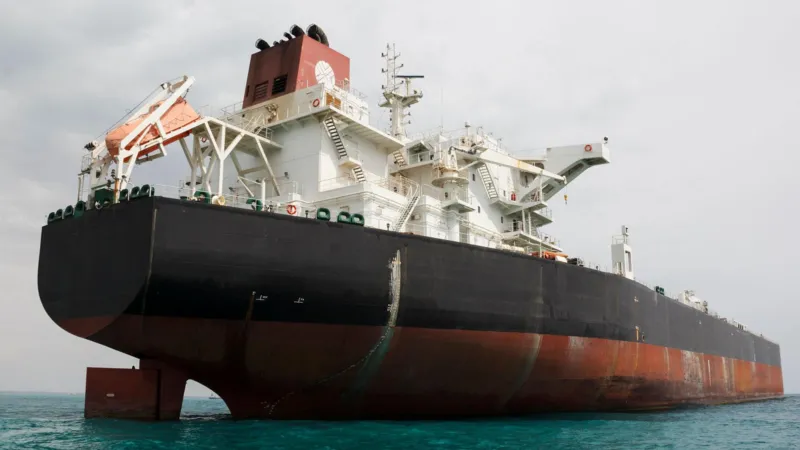
Maritime data suggests roughly 200 oil tankers are now stranded, with insurance premiums soaring, particularly for vessels linked to the US, UK or Israel. On Tuesday, US President Donald Trump said Washington would offer insurance and naval protection to tankers if needed, though industry experts warned such assurances may not be enough to persuade companies to resume transit.
Market pressure has been particularly severe in Asia, which relies heavily on Middle Eastern energy. Trading in South Korea and Thailand was temporarily halted after indexes plunged more than 8%, triggering circuit breakers designed to prevent panic selling.
In the UK, Chancellor Rachel Reeves is meeting North Sea energy executives to assess the impact of the crisis. Economists have warned that persistently high energy prices could derail expected interest rate cuts from the Bank of England, with some forecasting rates could be pushed back above 4% if inflation accelerates. The central bank is due to announce its next interest rate decision later this month.

