

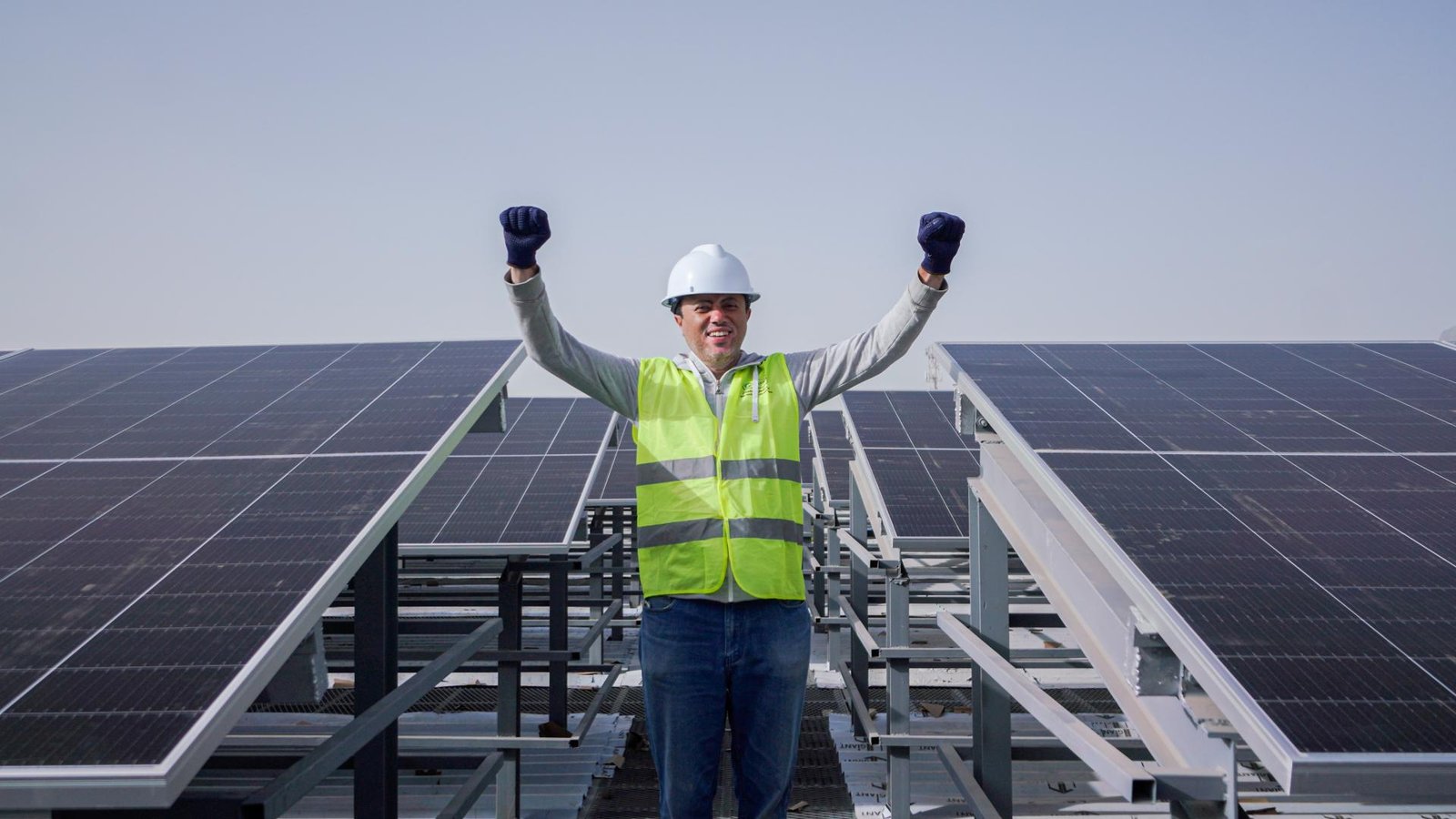
THE FUTURE OF ENERGY IN THE ECONOMY IN 2023
The world is changing, and so is the energy sector. Are you ready to explore the exciting trends and forecasts shaping the future of energy in the economy in 2023?
KEY TAKEAWAYS
- Investment in solar, wind, hydroelectric, and geothermal energy has increased significantly in recent years, and this trend is expected to continue.
- Energy storage technologies are becoming increasingly effective and inexpensive, making them crucial to the transition to renewable energy.
- As the price of batteries continues to drop, the popularity of electric cars is expected to rise.
- Energy efficiency and demand response initiatives, essential for lowering energy use and demand, are projected to become increasingly common.
- Governments must enact additional policies and regulations to promote the transition to sustainable energy. Supportive energy policies and regulations are crucial in defining the energy sector.
- The energy industry is undergoing fast development, bringing difficulties and possibilities for stakeholders.
- Transitioning to sustainable energy is essential for a sustainable economy and a better world future.
INTRODUCTION
Without energy, our contemporary way of life would be unthinkable; it powers our homes, businesses, and industries. The way we generate and utilize energy, however, is fast changing.
Using the trends and forecasts influencing the energy sector, we will examine the future of the energy sector in the economy in 2023. We’ll start by providing a quick review of the importance of energy in the economy, the need for a transition to sustainable energy, and the significance of studying energy trends and forecasts in the energy sector.
The global economy depends heavily on energy. It helps power our homes, businesses, and industries and is essential for economic growth and development. When it comes to keeping economies afloat, nothing is more important than the energy sector, which is also responsible for producing and providing the energy we need.
Despite energy’s crucial role in the economy, how we generate and use energy has major effects on the environment and society. For example, fossil fuels, the world’s main energy source, are responsible for many greenhouse gas emissions contributing to climate change. As a result, several nations and businesses are reducing their reliance on fossil fuels and investing in renewable energy sources as the need to transition to sustainable energy sources grows.
Examining future trends and forecasts is essential to comprehend how the energy sector changes as it goes through a period of fast change. By examining these trends and forecasts, stakeholders may make wise choices regarding investments, policy, and strategy, which can accelerate the transition to sustainable energy.
In conclusion, the future of energy in the economy in 2023 is changing and developing quickly. The transition is undergoing a dramatic metamorphosis as the necessity to transition to sustainable energy sources has grown. By assessing future energy trends and forecasts, stakeholders may make educated choices that can assist in accelerating the transition to sustainable energy, which is essential for a sustainable future.
CURRENT STATE OF ENERGY IN THE ECONOMY
The current energy level in the economy is characterized by a broad energy mix, with fossil fuels still being the primary energy source. Nonetheless, adopting renewable energy sources is expected to continue accelerating in the years ahead. We will provide an overview of the current energy mix, examine energy demand and consumption trends, and pinpoint the most pressing challenges facing the energy sector in this part.
Fossil fuels, which include coal, oil, and natural gas, dominate the current energy mix. With coal being the most popular fuel, these fuels account for more than 80% of worldwide energy consumption. The adoption of renewable energy sources, such as solar, wind, hydropower, and geothermal, is expected to continue to increase in the future years.
Over the last several decades, population expansion, urbanization, and economic development have increased global energy demand and consumption. As a result, global energy consumption is expected to increase by more than 25% by 2040, according to the International Energy Agency (IEA). Nonetheless, energy consumption patterns vary greatly among regions and countries, with industrialized countries using far more energy per capita than developing countries.
Environmental, social, and economic challenges are just a few that the energy sector must deal with. Climate change, brought on by the release of greenhouse gases, mostly from the burning of fossil fuels, is one of the biggest challenges facing the sector. Therefore, the shift to sustainable energy sources is crucial to lessen the effects of climate change and cut greenhouse gas emissions.
Energy security, or the capacity of countries and regions to consistently and economically satisfy their energy demands, is another significant issue facing the energy sector. Infrastructure, geopolitical conflicts, and various energy sources all impact energy security.
In conclusion, the current energy situation in the economy is characterized by a broad energy mix, with fossil fuels being the dominating energy source. Nonetheless, adopting renewable energy sources is expected to continue accelerating in the years ahead. The energy sector confronts various environmental, social, and economic challenges that large expenditures, regulations, and technology must overcome.
RENEWABLE ENERGY SOURCES
Renewable energy sources, including solar, wind, hydropower, and geothermal, are expected to become more important to the economy in 2023 and beyond. We will examine the adoption and growth of renewable energy sources, investments in various renewable energy sources, and forecasts for renewable energy installations and investments in this part.
The adoption and growth of renewable energy sources have continuously increased over the last several years, driven by decreasing prices, government legislation, and public awareness of climate change. As a result, about two-thirds of worldwide net power capacity increases in 2019 came from renewable energy sources, according to the International Energy Agency (IEA).
The key markets for renewable energy investments are China, the United States, and Europe, and they are expected to continue to lead the way in adopting renewable energy sources. The adoption of renewable energy sources is also increasing in developing nations, driven by rising demand for renewable energy sources, falling prices for renewable energy sources, and assistance from international organizations.
Solar, wind, hydro, and geothermal energy trends
Solar energy is one of the fastest-growing renewable energy sources, with solar photovoltaic (PV) installations increasing by about 20% in 2019. onshore and offshore wind installations hitting historic highs in 2019, wind energy is expanding rapidly.
Investment and Installation Projections for Renewable Energy:
Renewable energy investments and installations are expected to continue to rise, driven by declining prices, legislative assistance, and increasing demand. By 2024, renewable energy sources are expected to provide approximately 30% of all power globally, up from 26% in 2018.
Solar photovoltaic (PV) and wind installations are expected to dominate renewable energy investments, with solar PV installations expected to reach almost 180 GW annually by 2024. Offshore wind installations are also expected to rise rapidly, driven by declining costs and supportive regulations.
ENERGY STORAGE
The importance of energy storage grows as the globe shifts toward renewable energy sources. By storing surplus energy when available and releasing it when required, energy storage technologies play a crucial role in balancing the intermittent nature of renewable energy sources like solar and wind. In this part, we will examine battery storage technologies, trends, and forecasts for battery storage and other forms of energy storage in more detail.
Energy Storage Technologies: A Brief Overview
There are several different energy storage technologies on the market today, each with its advantages and niche uses. Such technologies include batteries, pumped hydro energy storage, compressed air energy storage, flywheels, thermal energy storage, and hydrogen storage.
Batteries are the most widely used energy storage technology and have seen substantial expansion in recent years, driven by the rising usage of electric cars and renewable energy sources. Due to their high energy density, extended cycle life, and cheap cost, lithium-ion batteries are the most popular battery used in energy storage devices.
With more than 95% of the world’s energy storage capacity being pumped hydro, it is the most established and widely utilized energy storage. It pushes water uphill to a higher reservoir during low energy demand and releases it back down via turbines to create electricity during high energy demand.
Compressed air energy storage works by compressing air and storing it in underground reservoirs, which may be released to power turbines and create electricity.
Flywheels may swiftly release the energy they store as kinetic energy in a spinning mass when necessary. Thermal energy storage systems store heat in substances like molten salt or phase change materials and release it to produce steam to power turbines.
Battery Storage and Other Energy-Storage Technology Trends and Forecasts
Battery storage is expected to grow significantly over the next several years, driven by the popularity of electric cars and renewable energy sources. Global battery storage capacity is expected to grow from around 11 GWh in 2019 to more than 2,850 GWh by 2040, according to a BloombergNEF report.
Other forms of energy storage, such as pumped hydro storage and compressed air storage, are also expected to grow, but at a slower pace than battery storage. According to a report by the International Energy Agency, compressed air energy storage capacity is expected to grow by about 50%. In comparison, pumped hydro energy storage capacity is expected to grow by around 20% by 2040.
The Role of Energy Storage in the Development of Renewable Energy Sources
To make the transition to sustainable energy, energy storage is essential. Energy storage may help prevent climate change and lower greenhouse gas emissions by facilitating the integration of renewable energy sources like solar and wind. By acting as a backup source of power during outages and balancing energy supply and demand, it also contributes to grid stability and resilience.
Energy storage also provides economic advantages by minimizing the need for expensive infrastructure improvements and providing greater energy independence for families and companies. In addition, peak demand costs, which may make up a significant amount of commercial and industrial clients’ energy bills, can be mitigated by using energy storage.
ELECTRIC VEHICLES
Electric vehicles (EVs) are crucial in the transition to sustainable energy. They offer the potential to lower greenhouse gas emissions and enhance air quality. This part will present an overview of electric vehicles and their impact on the energy industry. The importance of EVs in the transition to sustainable energy will also be covered, along with trends and forecasts for electric vehicle adoption and charging infrastructure.
Vehicles that are powered by electric motors rather than internal combustion engines are known as electric vehicles (ICEs). These may either be entirely electric vehicles, powered by a battery that is charged by plugging the vehicle into an electric outlet, or hybrid vehicles, meaning they feature both an electric motor and an internal combustion engine (ICE). In addition, solar panels, wind turbines, and the electric grid may charge the batteries that power electric vehicles.
Environmental concerns, government incentives and laws, and technological advancements have all contributed to the adoption of electric vehicles. Compared to conventional ICE vehicles, electric vehicles have some benefits, including cheaper running costs, lesser emissions, and a quieter and smoother ride.
The energy industry has the potential to undergo some transformations thanks to electric vehicles. Secondly, they may raise electricity demand, opening up new markets for renewable energy sources like solar and wind power. Second, transportation, one of the main sources of greenhouse gas emissions, may be reduced with electric vehicles.
However, the broad adoption of electric vehicles presents several challenges for the energy industry. The need for charging infrastructure is one of the primary challenges. A robust and dependable charging network is required to support a large fleet of electric vehicles. This calls for heavy infrastructure spending and coordination between the energy and transportation industries.
Notwithstanding the challenges, the adoption of electric vehicles is expected to rise further in the next years. As a result, the number of electric vehicles on the road is expected to reach 125 million by 2030, up from just over 3 million in 2017. This development is driven by falling battery prices, longer ranges, and more charging infrastructure.
The success of electric vehicles depends on the development of charging infrastructure. As a result, governments and businesses are pouring resources into creating charging infrastructure, such as fast-charging stations that can recharge a vehicle in minutes rather than hours. In addition, advancements in technology are enabling the integration of electric vehicle charging with renewable energy sources like solar and wind power.
To transition to sustainable energy, electric vehicles are crucial. They provide a practical substitute for conventional ICE vehicles, which are a significant source of greenhouse gas emissions. Electric vehicles may help cut emissions and enhance air quality by decreasing reliance on fossil fuels and raising demand for renewable energy sources.
However, the transition to electric vehicles will necessitate a sizable investment in infrastructure and coordination between the energy and transportation sectors. Governments, utilities, and private businesses must collaborate to build a robust and dependable charging network to support a sizable electric vehicle fleet. Additionally, efforts must be made to guarantee that the electricity used for electric vehicles comes from renewable sources, such as solar and wind power.
EFFICIENCY ENERGY AND DEMAND RESPONSE
There is an urgent need to transition to sustainable energy as the energy demand continues to climb and the globe deals with the impact of climate change. In this article, we will examine the present condition of energy in the economy, the adoption of renewable energy sources, the value of electric vehicles, the impact of energy storage, and the role of energy efficiency and demand response programs in the transition to sustainable energy.
Fossil fuels, including coal, oil, and natural gas, still account for around 80% of the world’s energy consumption. Nonetheless, renewable energy sources such as solar, wind, hydropower, and geothermal are gaining traction and are expected to become more essential.
Energy demand and consumption patterns differ by country, with industrialized countries utilizing the most energy. Yet, emerging countries are catching up and are expected to increase their energy use in the future. The energy sector is facing a huge challenge due to this growth in energy demand. It must meet the growing demand for clean, inexpensive energy while also minimizing its negative environmental impact.
Reducing greenhouse gas emissions, increasing energy efficiency, and enhancing energy security are some of the biggest issues confronting the energy sector. Fossil fuel consumption is a key contributor to greenhouse gas emissions, driving climate change. To ensure everyone has access to inexpensive and dependable energy, the energy sector must address energy poverty, affecting more than a billion people globally.
Renewable energy sources play an increasingly significant role in the energy sector. Growth in investment and adoption of solar, wind, hydropower, and geothermal energy is all occurring. The cost of solar energy, in particular, has dropped significantly, making it a desirable choice for households and companies.
According to the International Energy Agency, renewable energy is expected to account for 30% of worldwide electric power output by 2024, up from 26% in 2018. With projections indicating a compound annual growth rate of 8.5% between 2021 and 2026, the growth in renewable energy investments and installations is expected to continue.
To transition to a sustainable energy source, energy storage is essential. In addition to helping to ensure a consistent and dependable energy supply, it makes it possible to employ renewable energy sources more effectively. Battery, pumped hydro, and thermal storage are examples of energy storage systems.
Particularly battery storage, expected to grow over the next several years, is growing tremendously. In addition, the usage of electric vehicles is also driving the growth of battery storage since the batteries used in electric vehicles may be recycled for energy storage after they reach the end of their useful life.
In the energy sector, electric vehicles play a bigger role. In addition to helping cut greenhouse gas emissions, they are a cleaner alternative to conventional gasoline and diesel vehicles. As a result, the adoption of electric vehicles is expected to continue to increase, driven by technological advancements, decreasing prices, and governmental incentives.
The growth of electric vehicles is also driving the demand for charging infrastructure. Around 7 million public electric car charging stations were available globally in 2021, and that figure is expected to increase to over 30 million by 2030, according to BloombergNEF.
Energy efficiency and demand response initiatives are essential to transition to sustainable energy. Although demand response solutions assist in controlling peak energy demand, energy efficiency measures help to cut energy use and costs.
The adoption of energy-efficient technology and practices is expected to expand, driven by government regulations, incentives, and consumer demand. In addition, the adoption of smart home technologies is also expected to increase, enabling users to monitor and control their energy use better.
FUTURE ENERGY POLICIES AND REGULATIONS
Energy policies and regulations significantly influence the future of energy in the economy. To encourage sustainable energy and lower greenhouse gas emissions, governments all over the world are implementing a variety of policies and regulations. In this part, we will examine the present and proposed energy policies and regulations, project their impact on the energy sector, and discuss the importance of supportive energy policies in the transition to sustainable energy.
To guarantee that energy is generated, delivered, and used safely and effectively, most nations have energy policies and regulations in place. These policies and regulations apply to various fields, including renewable energy, energy efficiency, fossil fuels, nuclear energy, and electricity markets. Some examples of prevalent policies and regulations include energy efficiency requirements, carbon pricing, and emissions trading programs. Renewable energy objectives are another.
To speed up the transition to sustainable energy, governments throughout the world are proposing new energy policies and regulations. The European Union, for instance, has proposed the Green Deal, which aims to make Europe the first climate-neutral continent by the year 2050. The strategy includes increased use of renewable energy in the EU’s energy mix, increased energy efficiency, and investments in green technology. Similarly, the United States has proposed the Clean Energy Standard, which aims to achieve a 100% clean energy economy by 2035.
Upcoming energy policies and regulations are expected to substantially impact the energy sector. Investment in renewable energy, energy efficiency, and energy storage technologies, for example, is projected to increase due to the proposed policies and regulations. In addition to reducing reliance on fossil fuels, this will create new possibilities for businesses in these industries.
On the other side, certain policies and regulations may have unexpected effects. For instance, subsidies for renewable energy may lead to an overstock and price distortions, while carbon pricing may lead to higher prices for energy-intensive companies. Therefore, before implementing their policies and regulations, officials should weigh the possible impact.
To transition to sustainable energy, supportive energy policies are essential. These policies may motivate businesses and people to switch to renewable energy, increase their energy efficiency, and invest in energy storage. They may also encourage innovation in the energy sector and create a fair playing field for various energy technologies.
Moreover, supportive energy policies may create new employment and increase economic development. For instance, the renewable energy sector is expected to create millions of new jobs worldwide in the next years and attract major investment. Hence, governments must prioritize creating supportive energy policies to achieve their sustainable energy targets.
CONCLUSION
In conclusion, the present energy situation, renewable energy sources, energy storage, electric cars, energy efficiency, demand response, and future energy laws and regulations will all influence how energy will be used in the economy in 2023. Therefore, it is important to examine and implement these trends and forecasts to create a greener and more efficient energy sector as we progress toward a sustainable future.
Coal, oil, and natural gas make up the majority of the energy mix in the economy, which is not renewable. Nevertheless, this mix is increasingly changing toward renewable energy sources due to their expansion and adoption, trends in solar, wind, hydropower, and geothermal energy, as well as forecasts for renewable energy investments and installations.
Energy storage is also important in transitioning to sustainable energy, with battery and other energy storage being developed and implemented. In addition, trends and forecasts for adopting electric cars and charging infrastructure are also being analyzed in the energy industry.
Energy efficiency and demand response programs are getting more and more popular, with trends and forecasts for their improvements and efforts being developed. Finally, the influence of future energy laws and regulations on the energy industry is analyzed, and their significance in facilitating the transition to sustainable energy is stressed.
Stakeholders must work together to create a sustainable energy future. This may be done by supporting legislation and regulations that encourage a greener and more efficient energy industry and by embracing and implementing the key trends and forecasts in the energy sector. The transition to sustainable energy is important for a sustainable economy and the preservation of our planet. Thus, it is a rallying cry for all stakeholders to work together for a sustainable energy future.

