

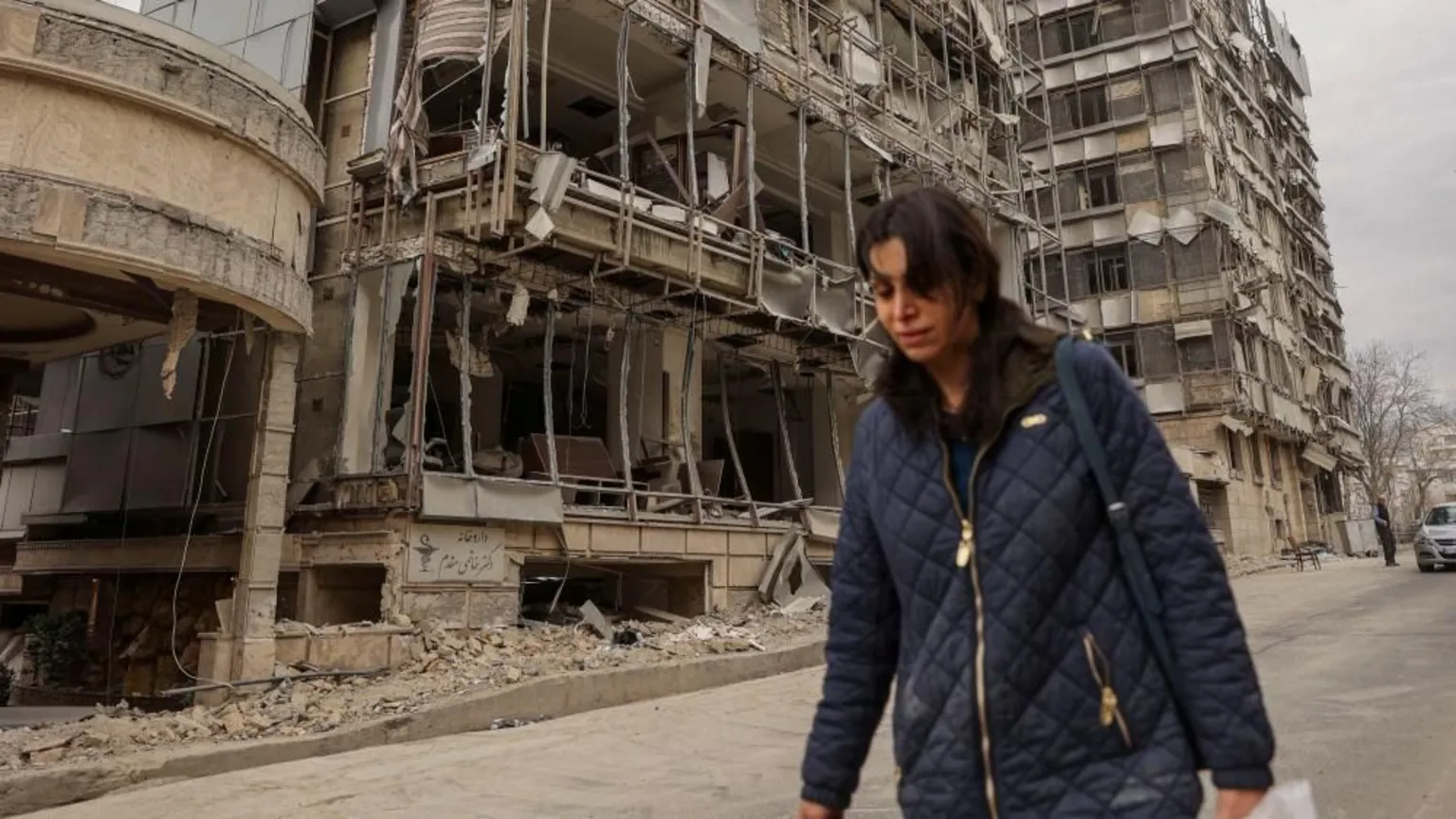
Residents across Iran are describing scenes of fear, anger and exhaustion as Israel and the United States continue coordinated airstrikes on targets throughout the country.
The bombardment began early on Saturday, marked by the killing of Iran’s Supreme Leader, Ayatollah Ali Khamenei—an event that stunned both supporters of the regime and its critics. Since then, military and strategic locations have been hit repeatedly, with strikes continuing around the clock.
Iranian authorities have imposed a near-total internet shutdown, sharply limiting communication with the outside world. Even so, the BBC has been able to reach a small number of people inside Iran. To protect them, all names have been changed.
“They Hit So Hard the House Was Shaking”
Hossein, who lives in Karaj, west of Tehran, said a powerful explosion rocked his neighborhood on Monday.
“They hit Karaj so hard that the house was shaking,” he said. “I heard a massive blast and I’m just trying to find somewhere safe.”
Hossein said the explosion followed an intense night of bombing.
“I counted 17 explosions one after another. People are anxious, waiting to see what will happen next—not just from the strikes, but politically. Their biggest fear is that America will strike a deal with the leadership here and then pull back.”
He described seeing government supporters on the streets overnight but said their mood appeared volatile.
“They looked angry and furious. Security forces patrol the streets at night to intimidate people. Bakeries and petrol stations are crowded, but otherwise the streets are empty. People are staying home.”
The internet blackout, Hossein added, has only deepened public anger.
“This is the third time this year that the regime has cut the internet. People are furious.”
Hossein also pointed to the continued presence of the Islamic Revolutionary Guard Corps as a major source of fear.
“I think the IRGC still has power on the ground, and that scares people. The death of Khamenei—and the fact that he ordered killings during recent protests—has widened a divide that already existed between pro- and anti-government groups.”
Supplies Stockpiled, Streets Locked Down
Amir, a resident of Tehran, said many people have been rushing to prepare for the worst.
“People have bought and stored as much food as they can,” he said. “We’re all sitting at home, hearing the explosions when they hit. But we’re cut off from the world.”
He said anxiety is being driven by uncertainty over how the conflict might end.
“It all depends on how many key figures are killed. But people are worried the leadership might reach an agreement.”
Amir described a heavy security presence across the capital.
“There are security checkpoints everywhere. They stop people they think look suspicious.”
Drawing comparisons with last year’s brief conflict with Israel, Amir said exhaustion has set in.
“Like during the 12-day war last June, people are tired—very tired. The death of Khamenei is not enough. The entire regime needs to go.”

