

The Impact of Technology on Billionaires Lives
From private jets to personal submarines, billionaires are known for their lavish lifestyles and cutting-edge technology. But in the wake of the COVID-19 pandemic, the role of technology in their lives is rapidly evolving. How are these titans of industry adapting to the new digital frontier, and what does it mean for the rest of us?
Key takeaways:
- The COVID-19 pandemic has accelerated the use of technology by billionaires and their businesses.
- Remote work has advantages, but also challenges around communication, collaboration, mental health, and cybersecurity.
- Technology is critical for driving innovation, productivity, and growth.
- It’s important to consider the human impact of this evolution, by promoting mental health, prioritizing data privacy and security, and investing in technologies that benefit everyone.
- The evolving role of technology in the lives of billionaires reflects broader societal changes, and it’s important to ensure that technology benefits everyone, not just the wealthy and powerful.
Billionaires have always been fascinating figures, with their immense wealth and power shaping the economy and the world around us. But in recent times, the pandemic and its economic impact have thrown a spotlight on the evolving role of technology in the lives of these elite individuals. It’s a topic that raises perplexing questions: How have billionaires been affected by the pandemic and the resulting business disruptions? How has technology enabled them to adapt to these changes? And what are the potential risks and downsides of their overreliance on technology?
This is a subject that has captivated the public imagination, and for good reason: billionaires have access to resources and tools that can transform industries and create new opportunities for themselves and others. But as we’ll see, there are also darker sides to this story, with the potential for technology to amplify inequalities and concentrate power in the hands of a few.
Pandemic and Business Disruption
The COVID-19 pandemic has disrupted lives, businesses, and economies across the globe. The billionaire class has not been immune to its effects, with many facing significant challenges and opportunities as a result. In this section, we’ll explore the pandemic’s economic impact on billionaires, how they’ve adapted their businesses to thrive during these difficult times, and the role of technology in enabling these changes.
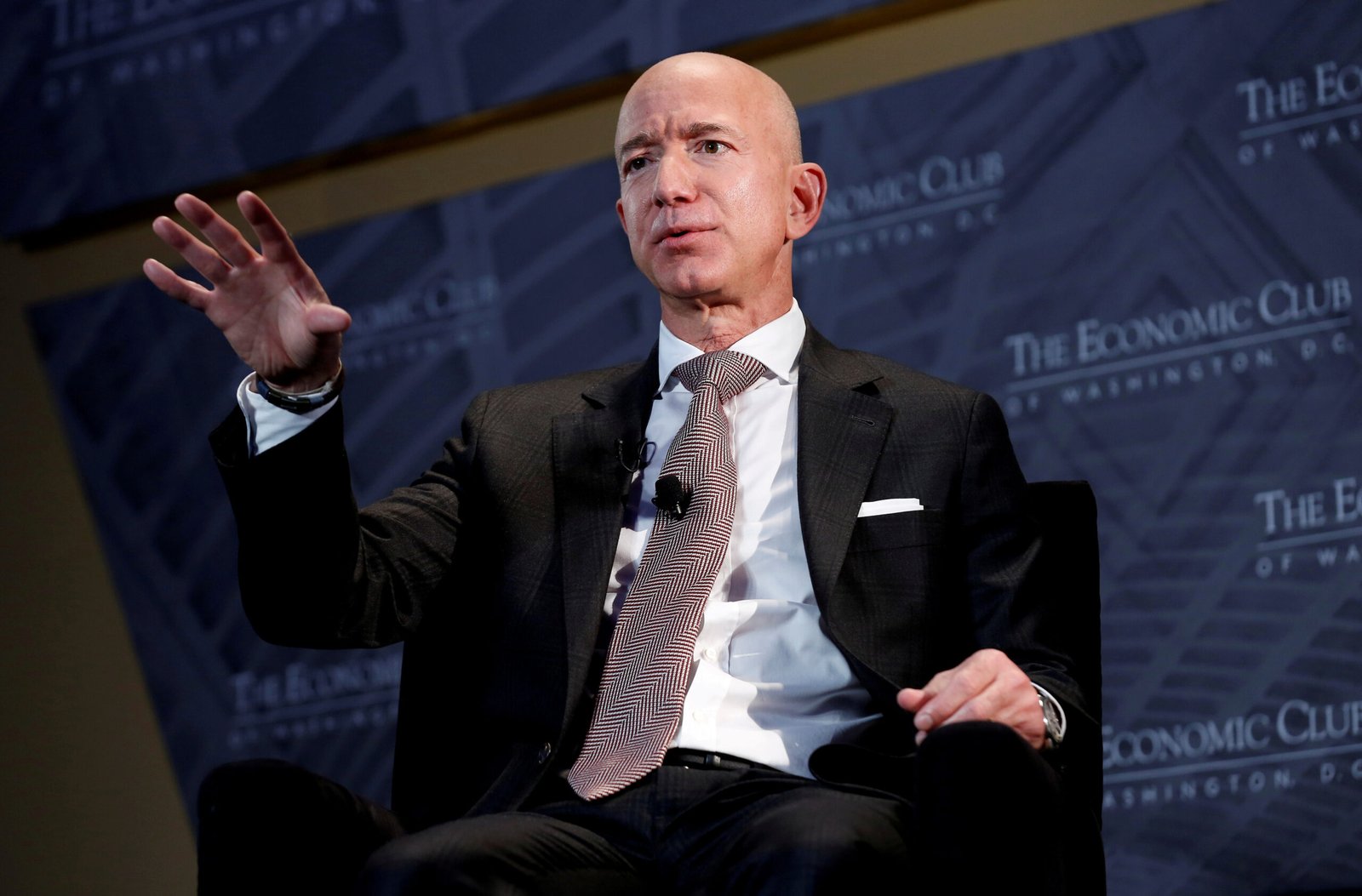
The pandemic has affected billionaires in a variety of ways, depending on their industry and business model. Some have seen their wealth increase dramatically as demand for their products and services has surged. For example, Amazon’s Jeff Bezos saw his net worth grow by over $70 billion in 2020 alone, thanks to the company’s dominant position in online retail. On the other hand, those in industries like travel and hospitality have been hit hard, with many facing steep losses and uncertainty about their future prospects.
Despite the challenges, many billionaires have adapted their businesses to thrive during the pandemic. One key strategy has been to pivot towards online and remote services, using technology to bridge the gap between customers and businesses. For example, fitness guru Peloton’s John Foley saw his company’s stock soar as people turned to home workouts during lockdowns. Similarly, Zoom’s Eric Yuan saw his net worth grow by over $10 billion as businesses and individuals embraced remote work and online meetings.
Technology has played a crucial role in enabling these changes, providing billionaires with the tools and infrastructure needed to pivot towards new business models. The shift to remote work, in particular, has been made possible by a range of technologies, from video conferencing to cloud storage to collaborative software. Without these tools, it would have been much harder for businesses to adapt to the sudden shift in working practices brought on by the pandemic.
But there are also potential risks and downsides to the billionaire class’s reliance on technology. One concern is that it could exacerbate existing inequalities, concentrating power and wealth in the hands of a few tech giants. Another is that it could lead to a hollowing out of traditional industries and a loss of jobs for those who are unable to adapt to new technologies.
Overall, the pandemic has posed a unique set of challenges and opportunities for billionaires, forcing them to adapt their businesses and embrace new technologies. While this has led to some impressive successes, there are also concerns about the long-term implications of this rapid shift towards remote work and online services. As we’ll explore in the next section, technology’s role in the lives of billionaires is evolving rapidly, with new opportunities and risks emerging every day.
Evolving Role of Technology in the Lives of Billionaires
The relationship between technology and wealth has always been complex, but in recent years, it’s become even more so. As we saw in the previous section, the COVID-19 pandemic has accelerated the adoption of new technologies by billionaires, enabling them to adapt to new challenges and seize new opportunities. But the evolving role of technology in their lives goes beyond just the pandemic.
In this section, we’ll explore the ways in which technology is transforming the lives of billionaires, from the rise of artificial intelligence and automation to the growing importance of data and privacy. We’ll consider the implications of these changes for the wider world, as well as the potential risks and downsides of a world in which technology and wealth are increasingly intertwined.
One of the most significant changes in recent years has been the rise of artificial intelligence and automation. For billionaires, this presents both opportunities and challenges. On the one hand, AI and automation can drive efficiency and profitability, enabling businesses to operate more smoothly and with fewer resources. On the other hand, they could also lead to job losses and a concentration of power in the hands of those who control these technologies.
Another area where technology is transforming the lives of billionaires is in the realm of data and privacy. With the rise of big data, billionaires have access to unprecedented amounts of information about consumers, competitors, and markets. This can be used to inform business decisions, target advertising more effectively, and drive innovation. However, there are also concerns about the potential for data to be misused or abused, particularly when it comes to issues like surveillance and privacy.
Beyond these specific areas, technology is also changing the way that billionaires interact with the world around them. From social media to online marketplaces, technology has opened up new avenues for communication, collaboration, and commerce. This has created both new opportunities and new risks, from the power of social media to shape public opinion to the challenges of regulating online marketplaces.
As we’ve seen, the evolving role of technology in the lives of billionaires is complex and multifaceted. While it offers many opportunities for growth and innovation, there are also risks and downsides that must be considered. As technology continues to evolve, it’s likely that we’ll see new challenges and opportunities emerge, shaping the relationship between wealth and technology in ways that are both exciting and perplexing.
Potential downsides and risks of overreliance on technology for billionaires and their businesses
As technology continues to transform the way we live and work, it’s natural for billionaires to embrace it as a tool for success. From virtual meetings to AI-powered analytics, technology offers a wealth of benefits that can help these titans of industry stay ahead of the curve. But as with any powerful tool, there are potential downsides and risks to consider as well.
One of the most pressing concerns for billionaires who rely heavily on technology is cybersecurity. With so much sensitive data stored online and accessible from anywhere in the world, the risk of a data breach or cyber attack is a constant threat. And while many billionaires have invested heavily in cybersecurity measures, it only takes one successful attack to cause serious damage to a business or personal reputation.
Another potential downside of overreliance on technology is the loss of personal connection and human interaction. With remote work becoming more common, it’s easy for billionaires to become isolated from their employees, customers, and even friends and family. This can lead to a lack of empathy and understanding of the people they serve, which can ultimately hurt their business and personal relationships.
In addition, there’s a risk that billionaires who rely too heavily on technology may become complacent or stagnant in their thinking. By relying on algorithms and data analysis to make decisions, they may miss out on the creative insights and intuition that come from personal experience and human connection.
And finally, there’s the risk of addiction and burnout. With so much technology at their fingertips, it’s easy for billionaires to become consumed by work and lose sight of other aspects of their lives. This can lead to a range of negative consequences, from physical and mental health problems to damaged personal relationships.
While the benefits of technology for billionaires and their businesses are clear, it’s important to acknowledge and address the potential downsides and risks as well. By striking a balance between the power of technology and the importance of human connection and intuition, billionaires can continue to thrive in the digital age.
Advantages and Disadvantages of Remote Work for Billionaires and Their Businesses
The COVID-19 pandemic forced many businesses to adopt remote work policies almost overnight. For billionaires and their companies, this presented both advantages and disadvantages. In this section, we’ll explore the ways in which remote work has impacted billionaires and their businesses, from increased flexibility and cost savings to potential challenges around communication and collaboration.
On the one hand, remote work has brought significant advantages for billionaires and their businesses. For one thing, it has enabled greater flexibility, allowing employees to work from anywhere in the world and to better balance their work and personal lives. This can lead to increased productivity and employee satisfaction, as well as reduced costs for office space and other expenses.
Moreover, remote work has accelerated the adoption of new technologies and tools, from video conferencing to cloud-based collaboration platforms. This has enabled companies to operate more efficiently and effectively, with teams collaborating across different time zones and geographies.
However, remote work also presents some potential challenges for billionaires and their businesses. One of the main concerns is around communication and collaboration. Without face-to-face interactions, it can be more difficult to build trust, develop relationships, and resolve conflicts. This can lead to misunderstandings and inefficiencies, and may require new approaches to management and team building.
Another potential disadvantage of remote work is the impact on mental health and well-being. With remote work, employees may experience social isolation and a lack of work-life balance, leading to burnout and other negative outcomes. For billionaires and their businesses, this could result in decreased productivity and employee turnover, as well as potential reputational risks if mental health issues are not addressed.
Finally, there are also concerns around cybersecurity and data privacy in a remote work environment. With employees accessing company systems and data from outside the office, there is an increased risk of cyber attacks and data breaches. This can be particularly challenging for billionaires and their companies, given the high value and sensitivity of their data.
Remote work has both advantages and disadvantages for billionaires and their businesses. While it offers greater flexibility and cost savings, it also presents potential challenges around communication, collaboration, mental health, and cybersecurity. As the world continues to grapple with the pandemic and its aftermath, it’s likely that remote work will remain a significant factor in the lives of billionaires and their companies, shaping the future of work in complex and unpredictable ways.
Examples of billionaires who have embraced remote work and the technology that enables it
As the world continues to grapple with the fallout from the COVID-19 pandemic, remote work has emerged as a critical tool for businesses to stay afloat. And while many companies are just beginning to explore the potential benefits of a remote workforce, some billionaires have been ahead of the curve for years.
Take, for example, Richard Branson, the founder of Virgin Group. Branson has long been a vocal proponent of remote work, even going so far as to say that “office work is a thing of the past.” At Virgin, employees are given the freedom to work from wherever they choose, whether that’s a beach in Bali or a coffee shop in New York City. And thanks to advances in technology, they’re able to stay connected and productive no matter where they are.
Another billionaire who has fully embraced remote work is Jason Fried, the founder of Basecamp. Fried has written extensively about the benefits of remote work, and his company has been fully remote since its inception. In fact, he argues that remote work is actually more productive than traditional office work, since employees are able to work on their own schedule and in their own environment.
But it’s not just tech entrepreneurs who are embracing remote work. Warren Buffett, one of the world’s most successful investors, has also been a vocal supporter of remote work. In fact, he has said that he doesn’t see the need for a physical office at all, since he and his team are able to communicate and collaborate effectively using technology.
Of course, not every billionaire has embraced remote work with open arms. Elon Musk, the founder of SpaceX and Tesla, has been notoriously resistant to the idea. In fact, he has gone so far as to say that remote work is “not ideal for people who like to invent and create things.” Instead, he has championed a more traditional model of office work, with employees collaborating in person.
Regardless of where they stand on the issue, it’s clear that remote work and the technology that enables it are changing the way billionaires approach their businesses. From the flexibility to work from anywhere in the world to the increased productivity and collaboration, it’s no surprise that some of the world’s most successful entrepreneurs are embracing remote work. And as technology continues to advance, it’s likely that even more billionaires will join their ranks.

