

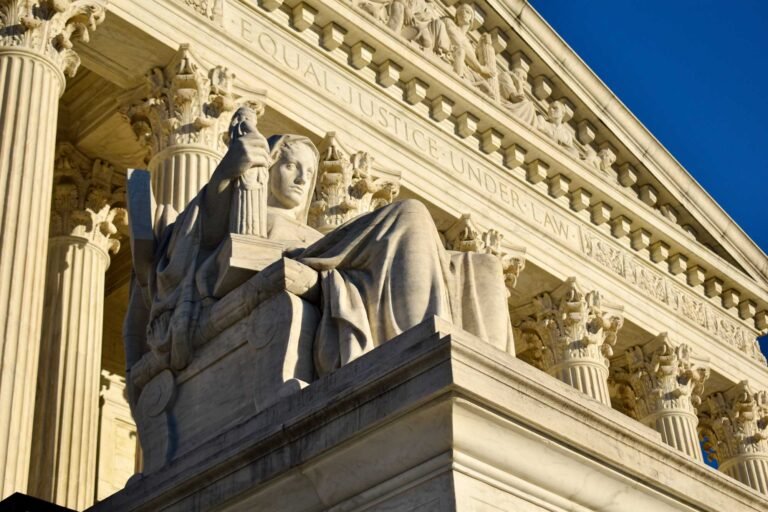
The U.S. Supreme Court appears more willing to review and possibly overturn decades-old legal precedents. This raises new questions about the future of stare decisis, the principle that courts follow previous decisions. Several high-profile cases are coming before the Supreme Court in the next few months. The current 6-3 conservative majority is reconsidering how much weight to give its past decisions.
One case focuses on a 1935 decision that restricts the president’s ability to remove members of independent federal agencies. This issue came up when former President Donald Trump tried to remove a Federal Trade Commission official, and his administration is now asking the court to overturn that old decision and give the president more authority. Other cases this term also ask the justices to look again at past decisions on campaign finance and election laws, which will further test how much the court values its previous rulings.
Legal experts say this is part of a bigger pattern, since the court has already overturned major cases like Roe v. Wade, which allowed abortion rights in 1973, affirmative action in colleges, and a 1984 case that let federal agencies broadly interpret laws. Supporters say the court is following an originalist view of the Constitution, focusing on its historical meaning instead of past decisions. Critics warn that changing course too often could make the law less stable. As this term continues, the court’s choices will keep shaping American law and reveal how much importance it gives to past rulings.

