

The UK government is preparing a large-scale operation to assist British nationals across the Middle East, as regional tensions intensify following Iranian strikes triggered by continued military action from Israel and the United States.
Officials estimate that at least 200,000 British citizens are currently in the Gulf region, including residents, holidaymakers, and travellers passing through major international airports. In response, the Foreign Office has activated emergency measures to track and communicate with those affected.
So far, more than 94,000 Britons have registered their location and contact details with the government in order to receive direct updates. Most of those registered are believed to be tourists in the United Arab Emirates or passengers transiting through key aviation hubs.
Evacuation Plans Under Consideration
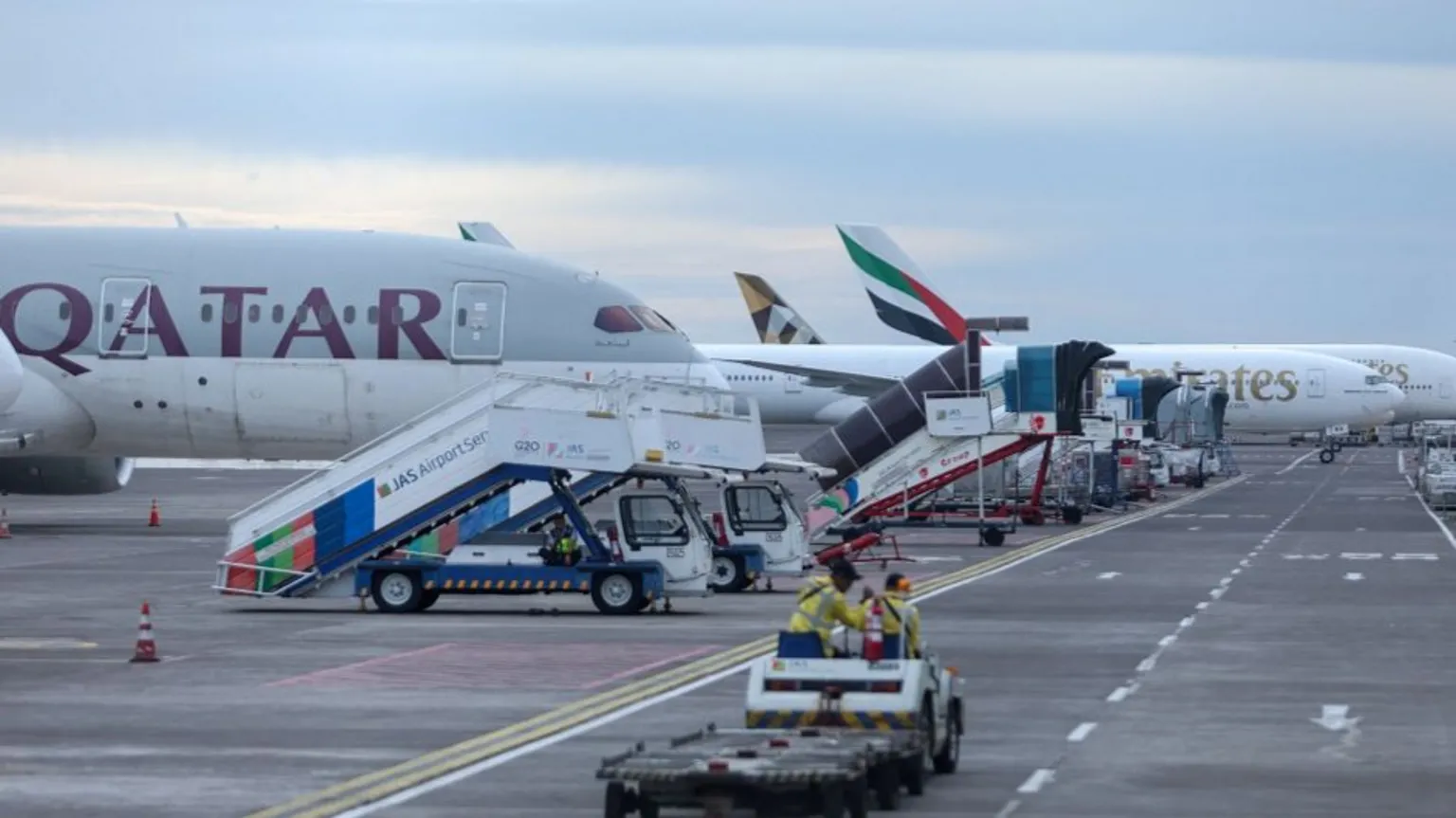
Government sources say contingency plans are being developed to evacuate UK nationals if airspace restrictions across the region continue. Flights in and out of major destinations — including Tel Aviv, Dubai, and Doha — have already been diverted or cancelled, leaving thousands stranded or facing uncertainty.
British nationals currently in Bahrain, Kuwait, Palestinian territories, Qatar, and the UAE have been urged to formally register with the Foreign Office to ensure they receive timely alerts.
For now, the advice to Britons in the region is to remain where they are, comply with instructions from local authorities, and monitor Foreign Office travel guidance, which officials warn could change rapidly as the situation evolves.
Prime Minister Issues Direct Appeal
Speaking on Sunday evening, UK Prime Minister Keir Starmer confirmed the scale of the operation, saying the government was working to support a vast number of British citizens spread across the region.
He said Iranian forces had carried out sustained attacks and claimed strikes had hit airports and hotels where British nationals were staying. Urging caution, Starmer called on all Britons in the Middle East to register their presence immediately.
“I know this is a deeply worrying time,” he said. “We will continue to do everything we can to support you.”
British citizens transiting through Dubai and Doha have been advised to stay indoors in secure accommodation and avoid unnecessary movement.
Unprecedented Crisis Response
This marks the first time the UK’s crisis response programme has been activated across multiple countries simultaneously, and officials say it is the largest operation of its kind the government has ever undertaken. The number of registered Britons is expected to rise further in the coming hours.
Meanwhile, the Israel Defense Forces confirmed continued strikes on targets in central Tehran, following the reported killing of Iran’s Supreme Leader, Ali Khamenei, in an airstrike earlier in the weekend.
Iran has since pledged retaliation, warning of “devastating blows,” and has launched missiles toward neighbouring states as well as US military installations across the region.
Situation on the Ground
In Dubai, residents have largely remained indoors after missiles and drones struck parts of the city, damaging luxury hotels and its main international airport — the world’s busiest by passenger traffic.
Elsewhere, British nationals in Saudi Arabia have been instructed to remain indoors in secure locations. Those in Jordan, Syria, Lebanon, Iraq, Yemen, and Turkey have been told to stay alert and take shelter if instructed by local authorities.
The UK government says it is not aware of any British citizens being killed or injured so far.
However, Defence Secretary John Healey revealed that approximately 300 UK troops were stationed just hundreds of yards from an Iranian strike on a military base in Bahrain.
UK Military Response
Although the UK did not participate in the strikes carried out on Saturday, British aircraft are currently operating in the region as part of a defensive mission. On Sunday, the Ministry of Defence confirmed that an Royal Air Force Typhoon jet operating from Qatar successfully intercepted and destroyed an Iranian drone.
Sir Keir has since held conversations with leaders across the region, expressing Britain’s solidarity amid what he described as a “dangerous escalation” of the conflict.

