

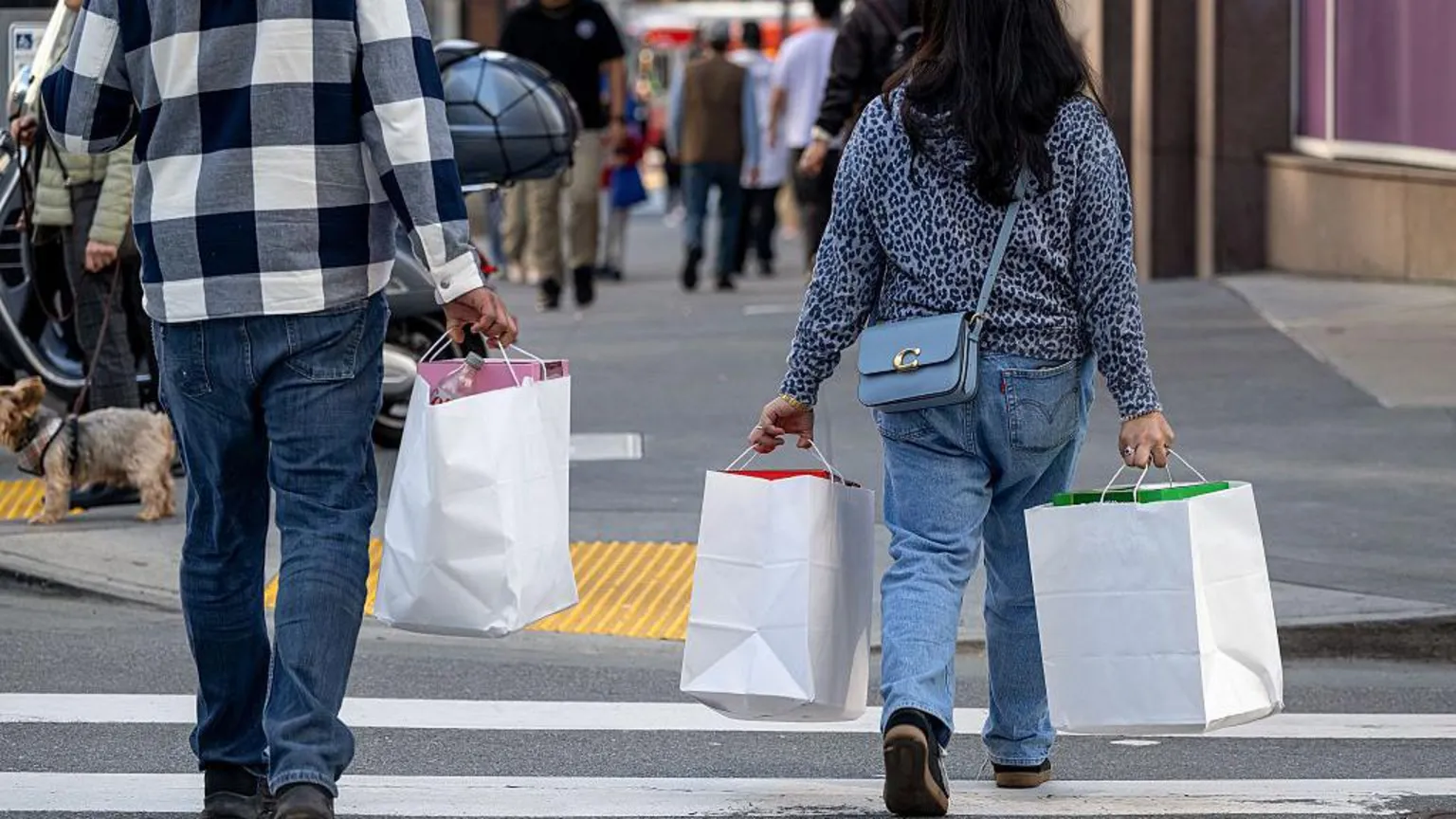
US consumer spending lost momentum in December, with retail sales coming in flat during the crucial holiday season, raising concerns about whether the world’s largest economy may be heading for a broader slowdown.
According to data released by the Commerce Department, retail sales were unchanged from November, breaking a run of relatively strong consumer activity. This followed a 0.6% increase the previous month, when Americans were still spending despite growing unease about the economy.
The weaker performance came as households faced pressure from a softer labour market, stubborn inflation and slower wage growth. Still, economists warned against reading too much into a single month of data, suggesting the slowdown could be temporary rather than the start of a downturn.
The figures, delayed due to last year’s government shutdown, arrive ahead of several key economic reports, including new labour market data and estimates of fourth-quarter economic growth. Together, these releases are expected to give a clearer picture of underlying economic strength.
Spending fell across several categories toward the end of 2025, particularly in areas sensitive to tariffs. Furniture sales dropped 0.9% from the previous month, while clothing sales declined 0.7%. On an annual basis, retail sales rose 2.4% in December, down from a 3.3% increase in November.
Consumer spending makes up more than two-thirds of US economic activity, making any slowdown closely watched. Analysts noted that spending patterns are beginning to align with weaker consumer sentiment.
Some economists believe the dip may not last. While job growth was modest in December, the unemployment rate edged down to 4.4%, easing fears of a sharp labour market downturn. Federal Reserve interest rate cuts last year, along with upcoming tax refunds, could also help revive spending.
At the same time, the data highlights a growing divide in the economy. Higher-income households continue to spend, supported by a stock market at record highs, while many others are cutting back. Wage growth slowed to 0.7% in the final quarter of last year, its weakest pace in more than four years.
Analysts say more Americans are shifting their spending toward essentials. Sales rose in categories like gasoline and building materials, while discretionary items such as electronics and clothing saw declines, underscoring the pressure many households continue to face.

