

US Treasury Secretary Scott Bessent described the move as a temporary step to ease pressure on energy supplies. Despite the decision, oil prices remained near $100 per barrel and stock markets outside the US declined.
The decision drew criticism from several Western leaders. Friedrich Merz said easing sanctions could weaken support for Ukraine, while Emmanuel Macron argued the disruption in the Strait of Hormuz did not justify relaxing restrictions on Russia. Mark Carney also warned that sanctions should remain in place.
The energy crisis has intensified after attacks on ships and infrastructure in the Gulf disrupted oil flows through the Strait of Hormuz, a route that normally carries about one-fifth of the world’s oil. Tankers have been stranded for weeks and producers have started cutting output, pushing prices higher.
US officials say they are working to reopen the waterway. Pete Hegseth said naval escorts for ships could be deployed soon. Meanwhile, the International Energy Agency pledged to release 400 million barrels of emergency oil reserves, including 172 million from the US, even as prices remain high.
The sanctions waiver, which could affect about 100 million barrels of Russian oil currently in transit, will last until 11 April.
Volodymyr Zelensky warned the move could generate about $10bn for Russia’s war effort, raising concerns the Middle East conflict could indirectly benefit Moscow and divert attention from the war in Ukraine. Analysts also say the measure is unlikely to reduce oil prices significantly.
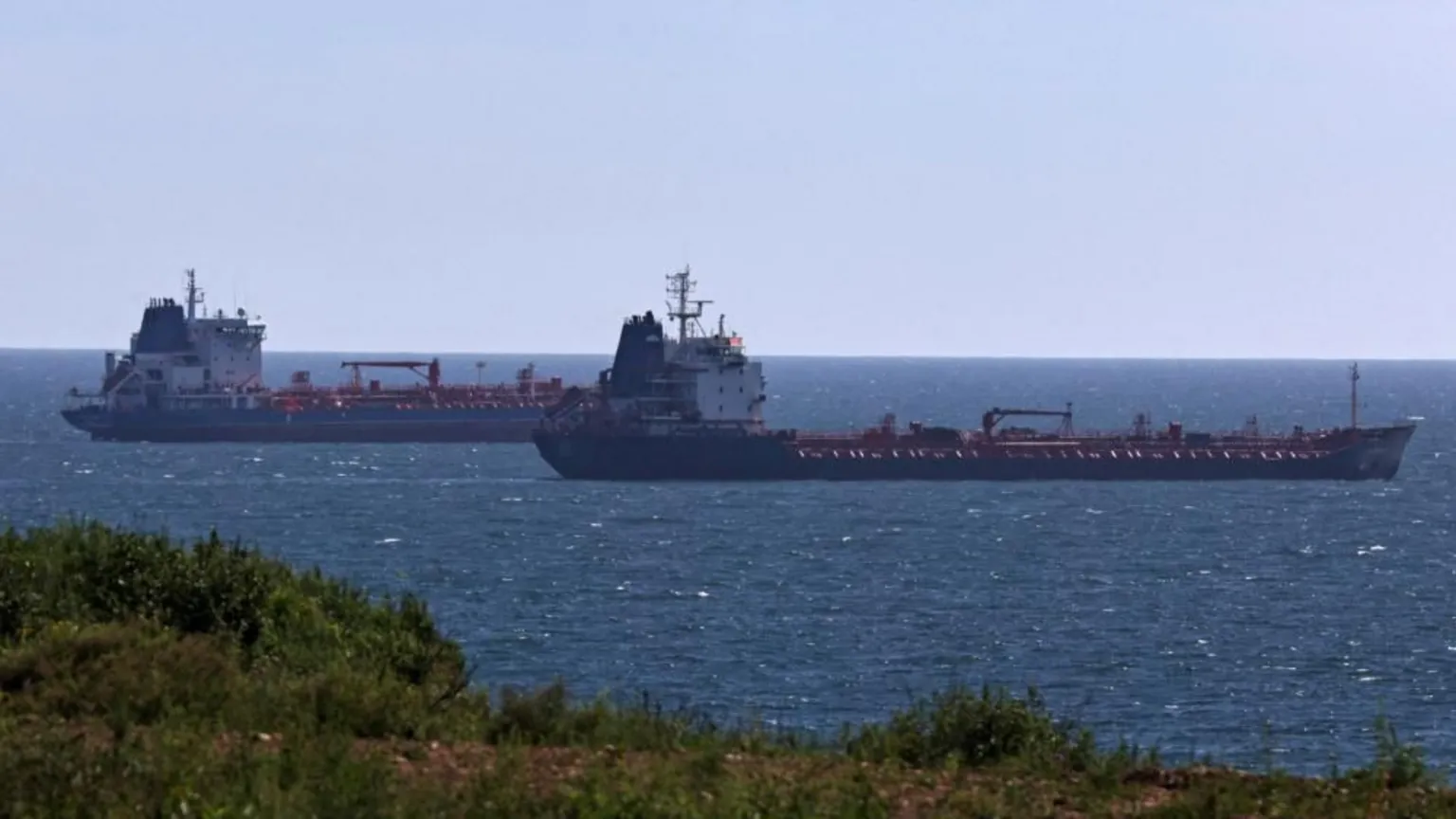
The United States has eased sanctions on Russian oil already loaded on ships at sea, allowing other countries to purchase it in an effort to stabilise global energy markets amid a supply crisis triggered by the US-Israel war with Iran.
US Treasury Secretary Scott Bessent described the move as a temporary step to ease pressure on energy supplies. Despite the decision, oil prices remained near $100 per barrel, and stock markets outside the US declined.
The decision drew criticism from several Western leaders. Friedrich Merz said easing sanctions could weaken support for Ukraine, while Emmanuel Macron argued the disruption in the Strait of Hormuz did not justify relaxing restrictions on Russia. Mark Carney also warned sanctions should remain in place.
The energy crisis has intensified after attacks on ships and infrastructure in the Gulf disrupted oil flows through the Strait of Hormuz, a route that normally carries about one-fifth of the world’s oil. Tankers have been stranded for weeks and producers have started cutting output, pushing prices higher.
US officials say they are working to reopen the waterway. Pete Hegseth said naval escorts for ships could be deployed soon. Meanwhile, the International Energy Agency pledged to release 400 million barrels of emergency oil reserves, including 172 million from the US, even as prices remain high.
The sanctions waiver, which could affect about 100 million barrels of Russian oil currently in transit, will last until 11 April.
Volodymyr Zelensky warned the move could generate about $10bn for Russia’s war effort, raising concerns the Middle East conflict could indirectly benefit Moscow and divert attention from the war in Ukraine. Analysts also say the measure is unlikely to reduce oil prices significantly.

