

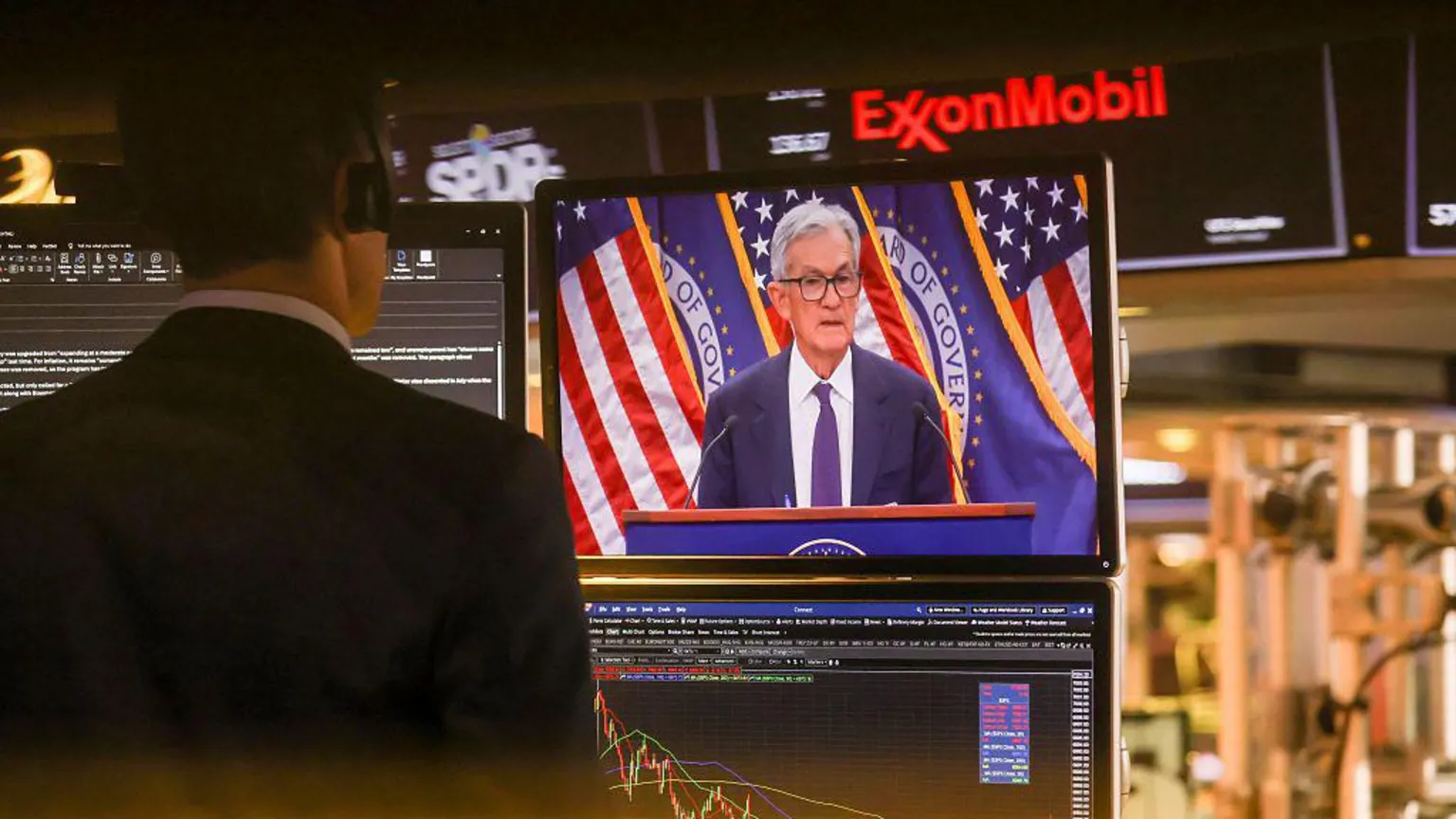
The US central bank, the Federal Reserve, has decided to hold interest rates steady at 3.5%–3.75% as rising oil prices linked to tensions involving Iran add fresh uncertainty to the economy.
The move was expected, but it highlights how policymakers are navigating a difficult balancing act. On one hand, higher oil prices are pushing up inflation—fuel costs in the US have already reached their highest levels since 2024. On the other, those same price increases could slow economic growth, as households spend more on energy and less elsewhere.
Normally, the Fed would cut rates to support growth or raise them to control inflation. But right now, both risks are present at the same time. That has made officials more cautious, despite pressure from President Donald Trump to reduce borrowing costs.
Updated forecasts show inflation is now expected to hit 2.7% this year, higher than earlier projections, while economic growth remains modest at around 2.4%. Unemployment is predicted to stay stable at 4.4%.
Although most policymakers still expect at least one rate cut later this year, the conflict-driven oil shock has likely delayed any immediate action. For now, the Fed is choosing to wait and see how the situation evolves before making its next move.

