

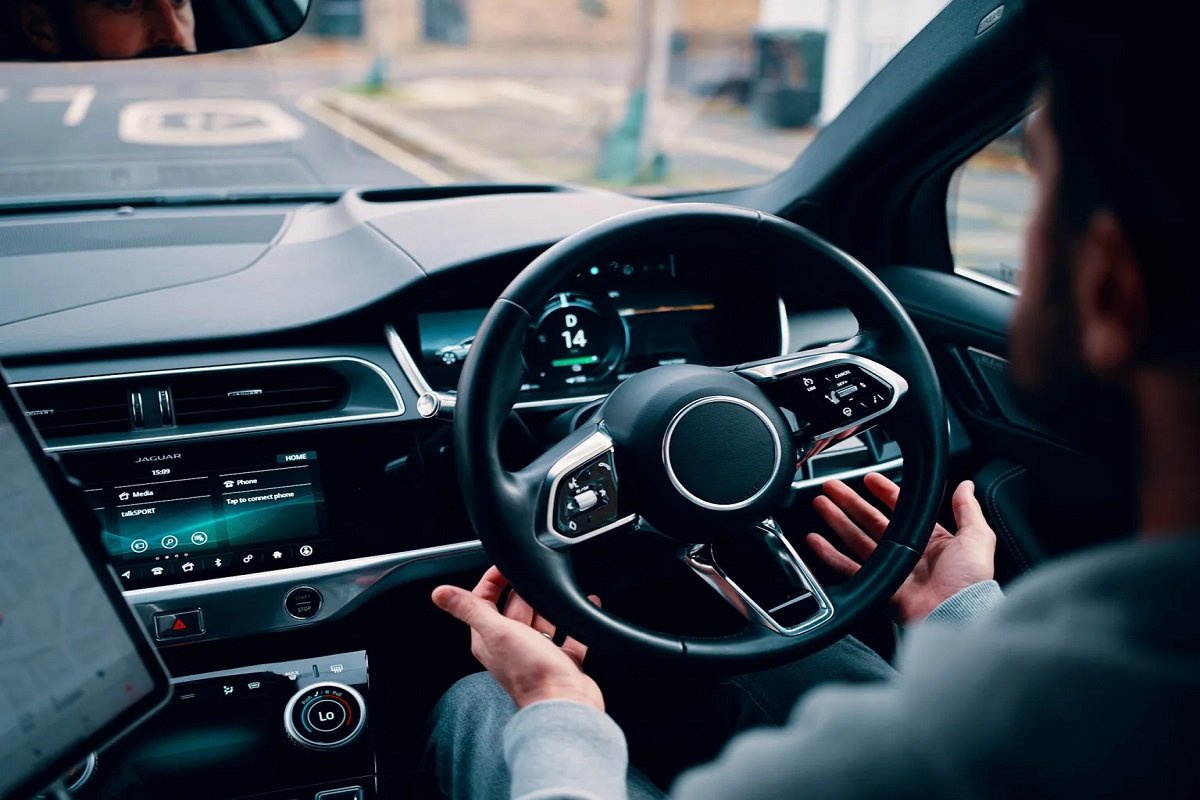
Nissan Partners with Wayve to Revolutionize Autonomous Driving Technology
The automotive industry is on the brink of a transformative shift as Nissan announces its partnership with UK-based startup Wayve. This collaboration aims to integrate Wayve’s cutting-edge self-driving software into Nissan’s advanced driver assistance system (ADAS), known as ProPilot, starting in 2027. The deal marks a significant milestone for Wayve, which has already raised over $1.3 billion from tech giants like Nvidia, Microsoft, SoftBank Group, and Uber.
Enhancing Nissan’s ADAS System with Wayve’s Innovation
Nissan plans to incorporate Wayve’s software alongside sensors, including lidar from an undisclosed supplier, into its ProPilot system. According to Nissan, this integration will set a “new standard for autonomous driving with advanced collision avoidance capabilities.” The system, designed for mass production by 2027, will operate at Level 2 autonomy under driver supervision. While Nissan has not specified which models will feature this technology, Level 2 systems are defined by their ability to automate multiple driving tasks such as steering and braking while still requiring driver oversight.
Wayve’s Unique Approach to Autonomous Driving
Since its inception in 2017, Wayve has captured significant attention for its innovative approach to automated driving. Unlike traditional rule-based systems, Wayve employs a self-learning model akin to Tesla’s strategy. Its end-to-end data-driven learning methodology supports both “eyes on” assisted driving and “eyes off” fully automated driving systems. What sets Wayve apart is its plan to sell its Embodied AI technology to automakers and other tech companies, rather than directly competing in the consumer market.
A Flexible and Cost-Effective Solution
One of Wayve’s standout features is its reliance on self-learning algorithms rather than specific sensors or high-definition maps. This flexibility allows the system to function seamlessly with existing vehicle sensors like cameras and radar. Data captured from these sensors informs the driving decisions of the system, making it adaptable across various environments and platforms. Furthermore, Wayve’s software can run on any GPU that its OEM partners already have installed, reducing costs and increasing efficiency. This adaptability makes it suitable for use in advanced driver-assistance systems, robotaxis, and even robotics applications.
The Role of Real-World Data in Wayve’s AI Model
Shiro Nagai, a spokesperson for Nissan, highlighted the importance of Wayve’s Embodied AI foundation model. This large-scale end-to-end AI system is trained on extensive real-world driving data, enabling it to adapt to different environments and vehicle platforms. By leveraging Nissan’s technological expertise and Wayve’s AI, future Nissan vehicles are expected to closely replicate the judgment and actions of a careful and competent human driver, even in complex driving scenarios.
Looking Ahead: The Future of Autonomous Driving
This partnership between Nissan and Wayve underscores a growing trend in the automotive industry toward collaborative innovation. By combining Nissan’s engineering prowess with Wayve’s groundbreaking AI technology, the two companies aim to redefine the standards of autonomous driving. As the 2027 rollout approaches, all eyes will be on how this integration impacts the broader landscape of driver assistance systems and autonomous vehicles.
Conclusion: A New Era of Automotive Innovation
The collaboration between Nissan and Wayve represents a pivotal moment in the evolution of autonomous driving technology. With its self-learning AI model and flexible sensor integration, Wayve’s software holds immense potential to enhance safety and performance in Nissan’s vehicles. As automakers increasingly turn to partnerships with tech startups, the future of mobility looks brighter than ever, promising smarter, safer, and more efficient transportation solutions for drivers worldwide.

