

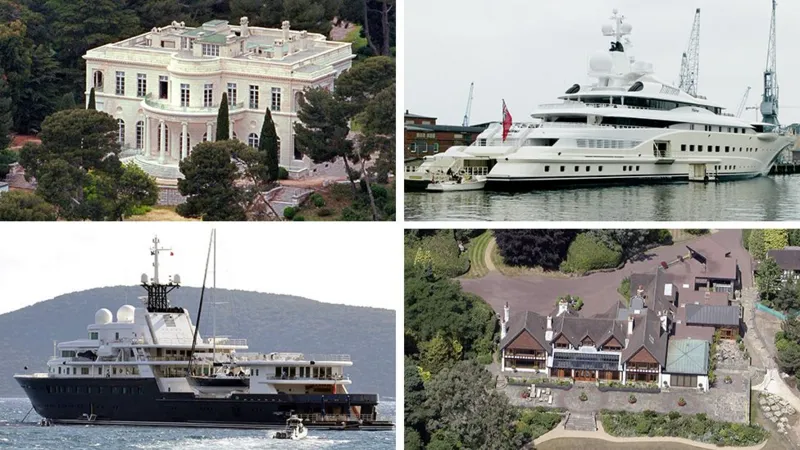
A BBC Panorama investigation has found that documents were allegedly falsified to conceal assets worth $672 million belonging to Russian billionaire Roman Abramovich and facilitate a scheme to evade taxes on his wealth, raising questions about the role of professional advisers in managing his offshore business empire.
The investigation, conducted jointly with the Bureau of Investigative Journalism, found that Deloitte Cyprus signed off company accounts that excluded luxury properties, private jets, helicopters and superyachts associated with Abramovich. The assets had been transferred on paper to offshore companies through documents backdated to make the transactions appear to have taken place years earlier.
Deloitte Cyprus also appears to have advised on a separate arrangement involving the alleged falsification of financial records to reduce the tax liability of one of Abramovich’s companies.
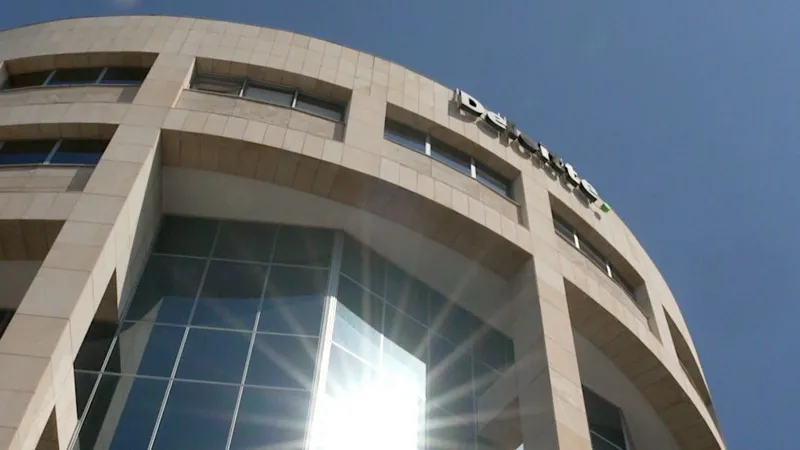
According to the leaked documents examined by the BBC and its media partners, Abramovich’s offshore business network was administered from Cyprus by MeritServus, a corporate services firm based in Limassol. Deloitte owned MeritServus until 2005, after which the two firms continued working closely with Abramovich’s associates.
One case involved Amiscan Investments, a Cypriot company whose draft 2003 accounts included $672 million in luxury assets. After Cyprus introduced a law requiring company accounts to be made public, Abramovich’s associates and MeritServus devised a plan to transfer the assets to a parent company in the British Virgin Islands.
The transfer was backdated by three years to make it appear that the assets had moved in 2003. Deloitte reviewed the documents and deemed them adequate for removing the assets from Amiscan’s accounts. When the accounts were signed off in 2006, only $75,000 in assets remained.
The investigation also uncovered records concerning Kravin Investments, another Cypriot company that held almost $2 billion in 2003 and earned substantial interest income. Emails indicated that advisers discussed changing its financial statements and accounting records to make it appear that the company was holding the funds on behalf of its parent company in the British Virgin Islands, potentially avoiding tax on the interest.
A third case involved more than $10 billion held by Electus Investments in Cyprus. Documents were allegedly backdated to make it appear that a British Virgin Islands company had owned the fortune since November 2003. The published accounts of the Cypriot company subsequently showed assets of just $145,000.
Barrister Andrew Mitchell KC described the evidence as indicating “straightforward” tax evasion, while accounting professor Lord Sikka criticised the misrepresentation of transaction dates.
Abramovich’s lawyers denied that he evaded tax or concealed his fortune, saying there was no evidence he knew about or authorised the falsification. They added that relying on professional advice was legitimate. Deloitte Cyprus said it complied with applicable laws and could not comment on specific allegations involving documents more than 20 years old.
The findings matter because they highlight how offshore corporate structures and professional financial services can affect tax transparency and accountability, particularly when substantial assets are moved across jurisdictions.

