

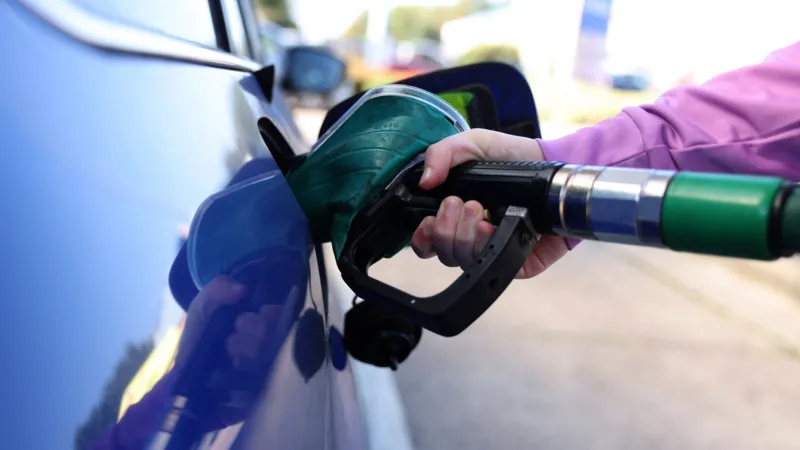
US President Donald Trump is facing mounting criticism from lawmakers and international allies over a proposed deal to import diesel from Russia, as surging global energy prices increase pressure on his administration to reduce fuel costs ahead of the US midterm elections.
Trump announced on Friday that Russian President Vladimir Putin had agreed to release 300,000 tonnes of diesel immediately to the American and global markets, followed by additional shipments in the coming months. The proposal has sparked controversy because it comes just weeks after Trump signed legislation authorising fresh sanctions and tariffs against countries importing Russian oil and gas.
According to Trump, Russia would supply another 500,000 tonnes in November, followed by one million tonnes and a further three million tonnes within a short period, depending on the condition of its refineries. Russian Deputy Prime Minister Alexander Novak confirmed the proposed volumes to state-owned news agency Tass, adding that exports could eventually reach three million tonnes per month.
US Lawmakers Challenge Russian Energy Deal
Seven US senators, comprising four Republicans and three Democrats, have urged Trump to abandon the arrangement, arguing that it conflicts with legislation introduced in 2022 to prevent American money from supporting Russia’s war against Ukraine.
In a joint statement on Sunday, the lawmakers said the United States should not provide Putin with financial support while Russian forces continue attacking Ukrainian civilians. The signatories included Republicans Susan Collins, Lisa Murkowski, Thom Tillis and John Curtis, alongside Democrats Jeanne Shaheen, Richard Blumenthal and Ron Wyden.
Not all Republicans oppose the proposal. Thomas Massie has argued for lifting sanctions on all petroleum products, while Treasury Secretary Scott Bessent defended the administration’s approach, saying the agreement could operate through existing legal channels to help lower prices.
The US Treasury is reportedly suspending sanctions on Russian diesel exports until April 7 as part of the arrangement, although other Russian assets held in American banks remain frozen.
Ukrainian President Volodymyr Zelensky condemned the deal, describing it as a gift to Putin and an investment in a war that should be brought to an end. Canadian Prime Minister Mark Carney and UK Defence Secretary Wes Streeting have also criticised the move, with Streeting arguing that allies should increase pressure on Moscow to end the conflict.
Fuel Prices Put Pressure on Trump
The proposal comes as the US-Israel war with Iran, which began at the end of February, has disrupted crude oil supplies and pushed global fuel prices higher. Diesel is particularly important to American agricultural states, where farmers rely on it to operate machinery and transport produce.
According to the American Automobile Association, the average US diesel price stands at $6.28 per gallon, below the record $6.53 recorded at the end of September.
However, analysts have questioned whether Russia can deliver the promised volumes and whether the shipments would substantially reduce prices. The United States consumes approximately 3.6 million barrels of diesel daily, meaning the initial 300,000-tonne shipment would represent only a fraction of national demand.
With economic concerns weighing on voters ahead of next month’s midterm elections, Trump is under pressure to demonstrate that his policies can bring down household and business costs. His Russian diesel proposal could offer additional supplies, but its potential impact remains uncertain.
Meanwhile, Trump has also announced an alleged energy ceasefire between Russia and Ukraine. Zelensky welcomed the announcement, although Moscow had not responded at the time of the report, and details of the arrangement remained unclear.

