

Icon, an Austin-based construction technology company specializing in 3D-printed homes, has secured $200 million in Series D funding co-led by Baillie Gifford and funds managed by BlackRock, bringing its total funding to $700 million and its reported valuation to $1.4 billion.
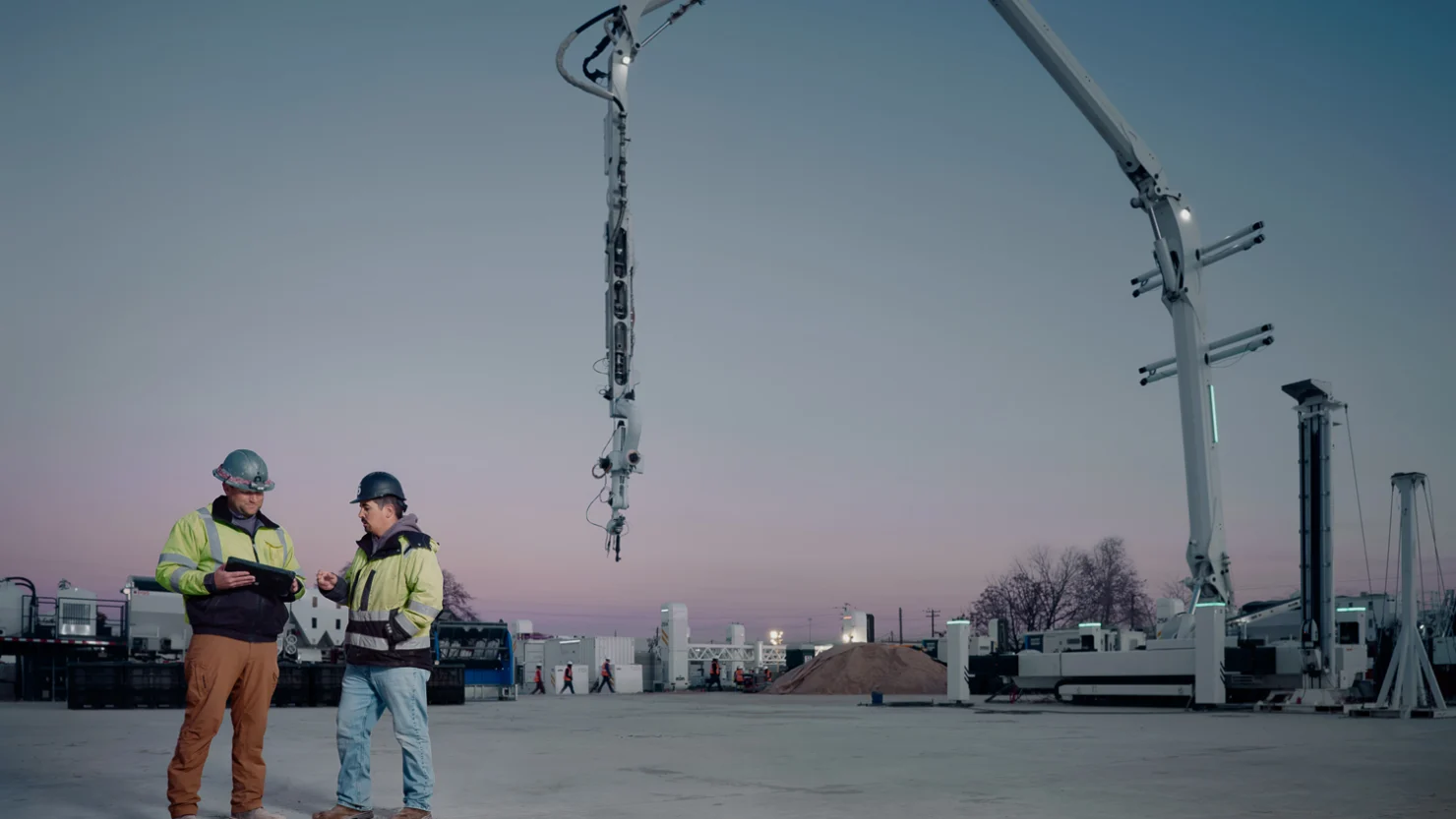
The investment comes as Icon expands the commercial rollout of its Titan robotic construction system, which can print multi-story buildings. Launched commercially in March 2026, Titan represents a significant development from the company’s earlier technology, which was limited to single-story structures.
According to Icon, the system can cut average home construction time by six weeks, reduce the number of workers required and lower overall building costs by 40%.
Chief Executive and co-founder Jason Ballard said Icon sought investors with experience helping physical businesses progress from early-stage development to large-scale operations. He highlighted Baillie Gifford’s investments in companies such as Nvidia, Tesla and SpaceX, alongside BlackRock’s extensive real estate portfolio.
Funding to Expand Technology and Reach New Markets
Icon plans to use the latest capital to scale Titan, develop additional technologies and expand beyond its existing markets in Texas, Florida and Washington, D.C. The company intends to bring its construction systems to more locations across the United States.
The investment arrives as traditional homebuilders face pressure from elevated interest rates and rising land, labor and materials costs. At the same time, the United States continues to experience a housing shortage, with some estimates suggesting that as many as four million additional homes are needed to meet demand.
Baillie Gifford investment manager Luke Ward said Icon’s approach was compelling because its technology works alongside the commercial realities of construction projects. He described the opportunity as consistent with the investment firm’s focus on businesses with long-term growth potential.
Icon previously deployed its printers on projects of its own, including a large 3D-printed residential development outside Austin built with homebuilder Lennar. It is now shifting toward selling its technology to other construction companies, supported by special financing arrangements from Wells Fargo. The bank is also offering incentives to buyers of 3D-printed homes.
Ballard said reservations involving actual deposits for the company’s technology had exceeded forecasts for next year by tenfold. Interest has come from both publicly traded homebuilders and smaller private construction firms.
Growth Ambitions Extend Beyond Housing
Founded eight years ago, Icon aims to make homebuilding faster, more affordable and more sustainable. Ballard said the company expects revenue to increase fourfold in 2026 and anticipates at least doubling revenue again in 2027, based on its current pipeline. He also identified a potential initial public offering as a future possibility.
Beyond residential construction, Icon is developing robotic systems for the U.S. military and NASA. The company has received more than $370 million in government contracts connected to Project Olympus, an initiative focused on developing construction technology that could eventually support building infrastructure on the Moon.
Ballard said he expected further developments from NASA concerning a potential lunar base during the second half of 2026.
For investors and the housing industry, Icon’s latest funding highlights growing interest in construction automation as a response to affordability pressures and labor constraints. The company’s next challenge will be demonstrating that its technology can deliver the promised cost and productivity gains consistently as it expands to more builders and markets.

