

Scientists are turning to bowel cancer samples preserved for nearly a century in an effort to understand why more young people are being diagnosed with the disease.
Although bowel cancer still affects mostly older adults, cases among younger people have been increasing worldwide. In the UK alone, diagnoses in people under 24 have risen by 75% since the early 1990s, yet the reasons behind this trend remain unclear.
Deep beneath St Mark’s The National Bowel Hospital lies a vast archive containing tens of thousands of bowel cancer samples, some dating back 100 years. Preserved in wax, these samples are now being examined using advanced molecular techniques that were not previously possible.
Researchers hope the analysis will reveal what triggers bowel cancer and how its causes may have changed over time.
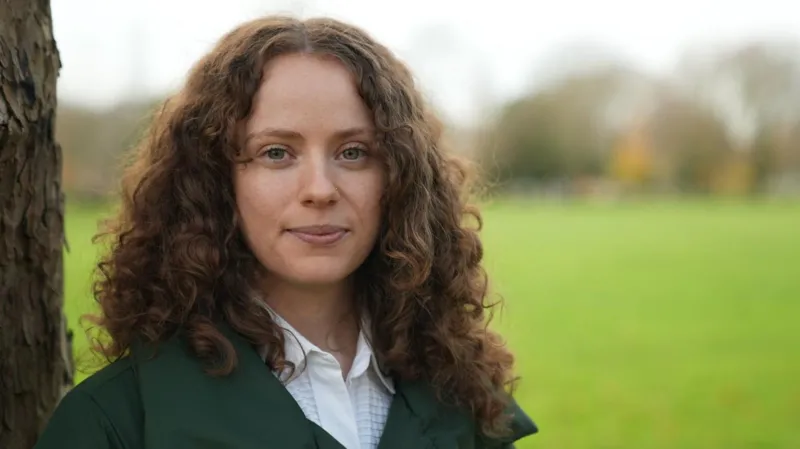
Holly, now 27, was diagnosed with bowel cancer at just 23. Her early symptoms, including bloating and weight loss, were initially dismissed as irritable bowel syndrome. Her condition worsened until she was rushed to A&E, where doctors discovered advanced cancer that required intensive treatment.
The former actress underwent aggressive chemotherapy, which she says permanently changed her life. “The hardest part was accepting that things would never be the same,” she said. Holly now lives with a stoma and requires ongoing medical checks.
Although she has been cancer-free for more than three years and is planning her wedding, she admits that being diagnosed so young is still emotionally overwhelming. “Some days it just feels incredibly unfair,” she said.
Researchers are exploring several possible explanations for the rise in early-onset bowel cancer, including obesity, ultra-processed foods, antibiotic use, changes in gut bacteria, air pollution and microplastics. None has yet been confirmed as the main cause.
Dr Kevin Monahan, a consultant gastroenterologist at St Mark’s Hospital, said bowel cancer in people under 50 is increasing globally and poses a growing challenge. In the UK, rates among those aged 25 to 49 have climbed by more than 50% since the early 1990s.
He described the hospital’s archive as a unique global resource, containing samples from every bowel cancer patient treated there. Each specimen includes preserved tumour tissue and gut bacteria, locked in paraffin wax.
The samples are being sent to the Institute of Cancer Research for detailed DNA analysis. Scientists can now identify specific molecular “signatures” left behind by different cancer-causing processes, allowing them to track how those patterns have evolved across generations.
Professor Trevor Graham, who is leading the analysis, believes one possible explanation involves certain strains of E. coli bacteria that may now be more common in young people’s digestive systems. These bacteria may release toxins that damage DNA in bowel cells, increasing cancer risk.
If this theory is correct, researchers expect to see evidence of this bacterial damage becoming more frequent in more recent samples, while remaining rare in older ones. The archive also allows scientists to test other theories about environmental and lifestyle changes.
Professor Graham described the collection as a “scientific treasure trove,” adding that the answer to this growing medical mystery could already be sitting on the shelves.

