

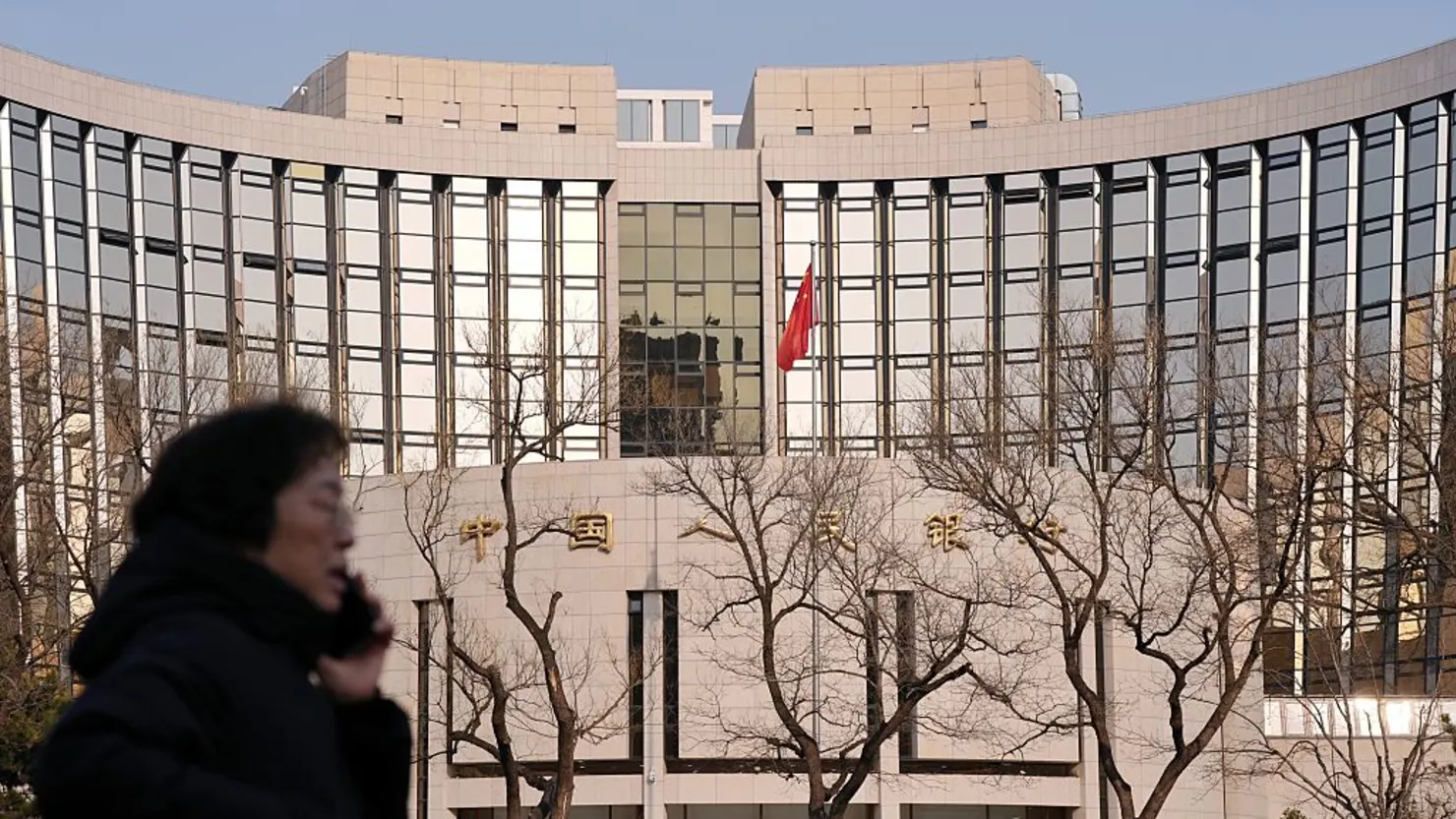
China has shut down 670 banks as Beijing accelerates efforts to consolidate smaller lenders and strengthen the country’s financial system amid continuing concerns over economic growth.
The closures represent roughly a quarter of China’s banks and reflect a push to create fewer, larger institutions with stronger capital positions. Fitch Ratings said small and rural commercial banks remain the weakest part of the country’s banking system, citing poor asset quality, low capitalization and governance weaknesses, particularly in less-developed regions.
The banking overhaul comes as other concerns are building across global markets, including renewed pressure on oil supplies and growing debate over the risks associated with artificial intelligence.
Oil Supply and AI Risks Add to Market Uncertainty
Saudi Aramco Chief Executive Amin Nasser warned Monday that rebuilding global oil stockpiles could take as long as two years. The prolonged Iran-U.S. conflict has raised concerns about further supply disruptions, adding to uncertainty in energy markets.
Despite higher U.S. Treasury yields, investors continued to favor technology stocks. The Nasdaq Composite reached a fresh all-time high, while U.S. stock futures were little changed. S&P 500 futures rose 0.08%, Dow futures gained 57 points, or 0.1%, and Nasdaq-100 futures advanced 0.09%.
Artificial intelligence is also emerging as a growing source of concern beyond its economic and investment potential. Alex Turner, a former researcher at Google DeepMind, warned during a New York City Council meeting that “misaligned” AI could eventually pose a greater threat than China’s aggressive development of the technology.
“Misaligned AI is everyone’s adversary,” Turner said, adding that such systems could one day become more powerful than China.
At the same time, AI is rapidly reshaping employment in financial services. An analysis by enterprise hiring data firm Draup found that postings for AI-related positions at banks including JPMorgan Chase have increased 49% so far this year compared with 2025.
Why It Matters: The simultaneous pressure on China’s banking system, global oil supplies and AI development highlights several risks confronting investors. While technology shares continue to support markets, financial-sector restructuring, energy shortages and questions around AI safety could influence economic and investment decisions in the months ahead.

