

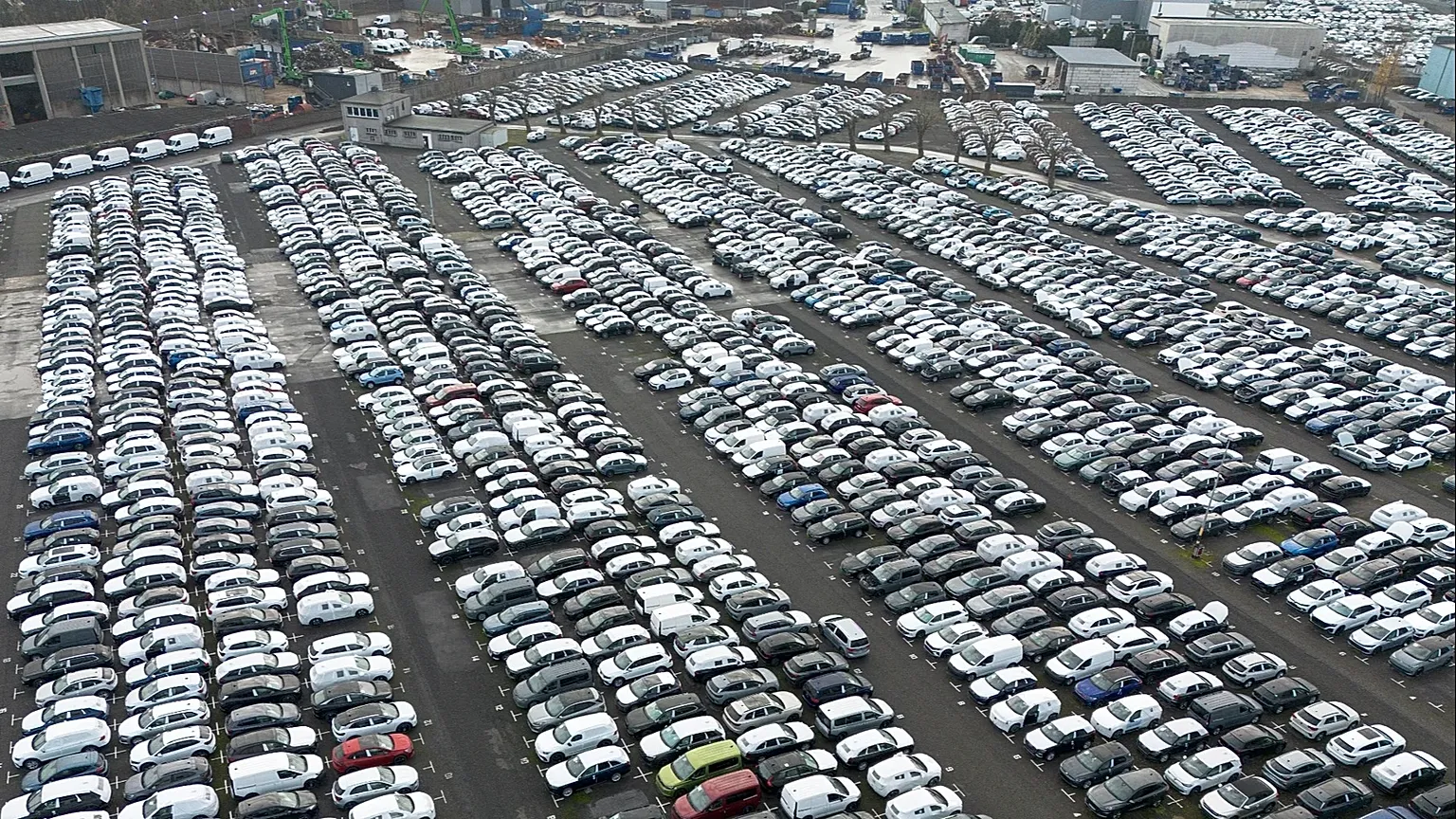
The European Union is rethinking its plan to stop selling new gas-powered cars by 2035 because car companies pushed back. On Tuesday, the European Commission suggested changing the ban agreed on in 2023. Instead of applying to all new cars, it would cover 90%. This means 10% of cars sold after 2035 could still be hybrids or have regular engines.
This change comes with other moves to help Europe’s struggling car industry. EU Commission President Ursula von der Leyen said they’re still trying to be world leaders in clean energy. The commission said that after 2035, carmakers need to cut emissions by 90%. The last 10% can be made up by using low-carbon steel, e-fuels, or biofuels.
Most expect this plan to pass. Reuters reported that Manfred Weber, who leads the largest group in the European Parliament, said the EU is preparing to ditch the complete ban because it was a mistake for the car industry. This move makes the EU look less serious about going green, especially since they promised to be carbon neutral by 2050. Cars and vans cause about 15% of the EU’s greenhouse gas emissions, so phasing out polluting cars was a key part of their climate plans.
Many think this change is intended to help European car companies struggling with high energy costs and US export taxes. Car companies supported electric cars at first, but now face tough competition from China and fewer buyers than expected. There aren’t enough charging stations across Europe either.
Tim Dexter from Transport & Environment, an environmental group, said that weakening the ban could significantly harm the climate. It might show that commitments don’t matter.
This news comes after Ford decided to scale back its electric vehicle plans, which will cost it $19.5 billion. Ford and other US carmakers invested heavily in EVs because they believed emissions rules would become stricter under former President Joe Biden. But the Trump administration has since loosened those rules, cut funding for EVs, and challenged states that sought to raise their standards.
Figuring out how much a car pollutes is tricky because you have to measure emissions throughout its life, including when it’s manufactured. Regular gas cars, hybrids, and electric vehicles pollute about the same during production, except for batteries.
Electric cars have big batteries that need a lot of mining, so they pollute about 40% more than hybrids or gas cars when they’re built, according to one study. But over their entire life, things change. Gas cars pollute less during production but pollute more overall due to tailpipe emissions. Electric vehicles pollute more during production but produce fewer emissions over their lifetimes, using about 40% less carbon than regular gas cars.

