

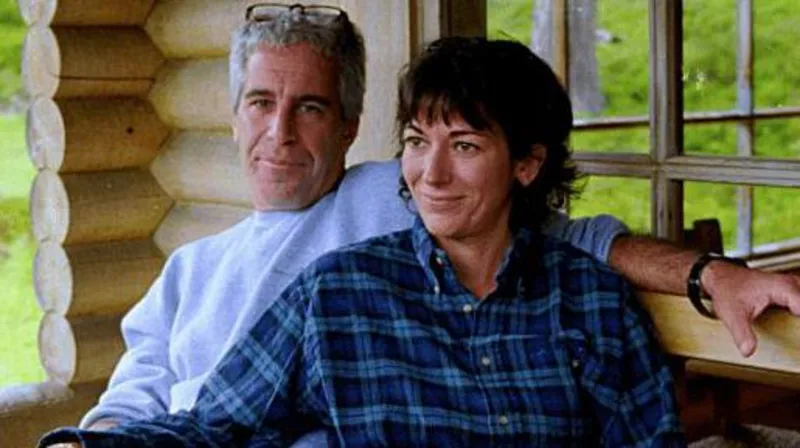
Ghislaine Maxwell, the jailed associate of convicted sex offender Jeffrey Epstein, has agreed to testify under oath before a congressional committee investigating the US government’s handling of the Epstein cases.
The House Oversight and Government Reform Committee said Maxwell will appear virtually on 9 February, according to committee chairman James Comer, who is leading the investigation.
Maxwell’s legal team has previously indicated that she would refuse to answer questions unless granted legal immunity, citing her constitutional right under the Fifth Amendment to remain silent.
Comer said that Maxwell’s lawyers had made it clear she was likely to invoke those protections. “Her lawyers have been saying she is going to plead the Fifth,” he said.
The announcement comes as the Trump administration faces continued scrutiny over its handling of the Epstein case.
Maxwell is currently serving a 20-year prison sentence for recruiting and trafficking teenage girls for sexual abuse by Epstein.
In July, the committee declined to grant her legal immunity in exchange for testimony. The following month, lawmakers issued a subpoena requiring Maxwell to submit evidence under oath.
Her lawyers objected, arguing that testifying from prison without immunity was unacceptable. They said she could not risk further criminal exposure in what they described as a politically charged environment, adding that appearing from jail created security concerns and undermined the integrity of the process.
House lawmakers do not have the authority to force Maxwell to waive her Fifth Amendment rights.
In a letter sent to the committee on Tuesday, Maxwell’s legal team said she would continue to refuse to testify under the current conditions.
“Proceeding under these circumstances would serve no other purpose than pure political theater and a complete waste of taxpayer monies,” the lawyers wrote, adding that the committee would obtain no meaningful testimony or new information.
Maxwell was convicted in 2021. She appealed the ruling to the US Supreme Court last October, but the court declined to hear the case.
Her only remaining path to early release would be a presidential pardon, unless a federal judge in New York agrees to vacate or reduce her sentence. The White House has denied that President Trump is considering clemency, though Trump has said he has not ruled it out.
Separately, the Department of Justice missed a 19 December deadline last year to release all remaining Epstein-related files in its possession. Only a small portion has been made public so far.
Lawmakers from both parties have criticised the extensive redactions in the released documents, which are permitted under the law only to protect victims’ identities and active criminal investigations.
The House committee is also reviewing the refusal of former President Bill Clinton and former Secretary of State Hillary Clinton to appear before the panel to answer questions related to Epstein.
The committee has said it is considering contempt proceedings against the former president and first lady.

