

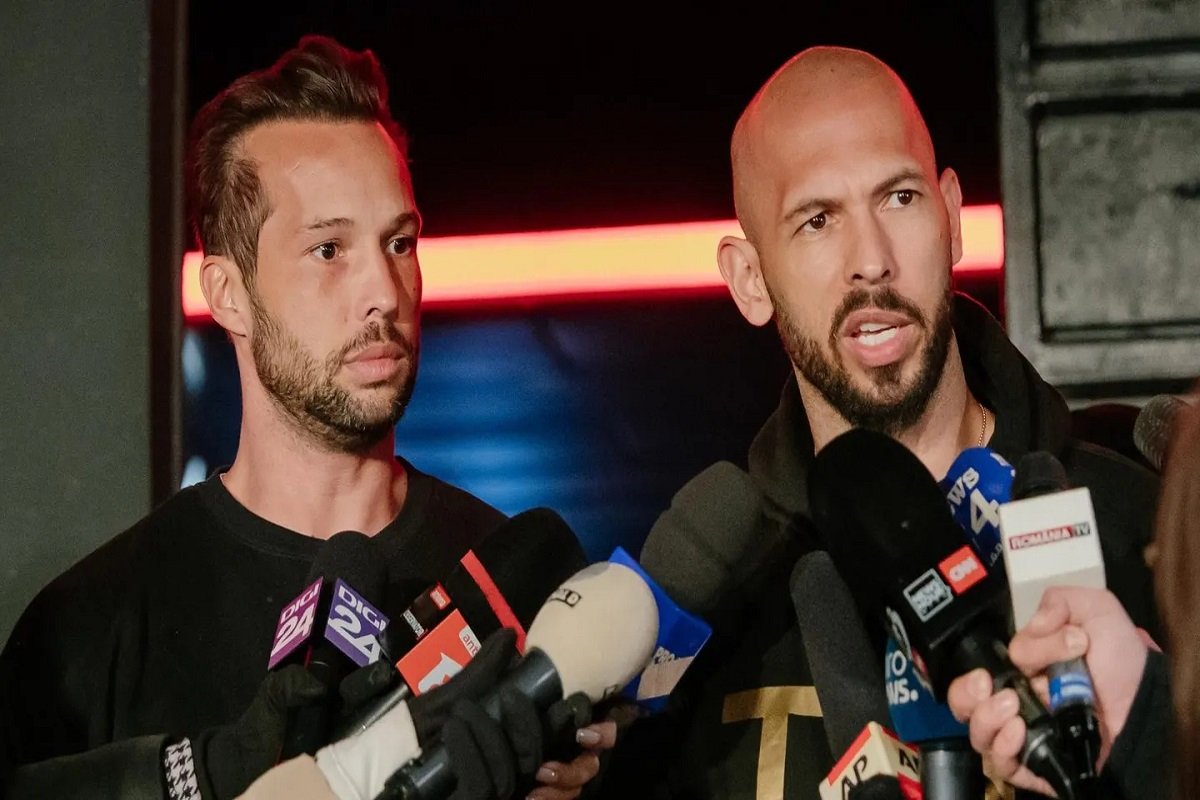
The Tate Brothers: A Return to Romania Amid Legal Scrutiny
The Tate brothers, Andrew and Tristan, have once again captured international headlines with their return to Romania on March 22, 2025. This move aligns with their obligation to face ongoing legal proceedings tied to serious allegations, including human trafficking, rape, and organized criminal activity. Their reappearance in Romania follows a contentious month-long stay in the United States, where their presence sparked significant controversy and legal scrutiny.
Legal Allegations Against the Tate Brothers
Since 2024, the Tate brothers have been embroiled in legal troubles stemming from accusations by Romanian prosecutors. These authorities claim that the siblings recruited women and coerced them into producing pornographic content. The case took a darker turn in August 2024 when new accusations emerged, alleging that the Tates had trafficked minors.
Controversial Stay in Florida
Their return to Romania comes after a brief yet controversial stay in Florida, which they reached in February 2025 following the lifting of a travel ban by Romanian authorities. Reports suggest that U.S. officials may have pressured Romania to allow the Tates to travel, although former President Donald Trump denied any involvement. During their time in Florida, Attorney General James Uthmeier initiated a criminal investigation into their activities. Uthmeier stated that the Tates had “publicly admitted to participating in what very much appears to be soliciting, trafficking, preying upon women around the world.”
Florida Governor Ron DeSantis echoed similar sentiments, asserting that “Florida is not a place where you’re welcome with that type of conduct.” His comments reflect the widespread disapproval directed at the brothers, whose actions have garnered global condemnation.
Defiance and Commitment to Proving Innocence
Despite mounting legal challenges, Andrew Tate remains resolute. Upon returning to Romania, he addressed reporters, stating, “Innocent men don’t run. THEY CLEAR THEIR NAME IN COURT.” He emphasized their dedication to proving their innocence, asserting, “We truly deserve the day in court where it is stated that we’ve done nothing wrong.”
Expanding Legal Troubles Beyond Romania
The legal complications for the Tate brothers extend beyond Romanian borders. They face charges of “sexual aggression” in the United Kingdom, where extradition could follow the conclusion of their Romanian trial. Additionally, Andrew Tate has been sued by four British women who accuse him of rape and physical abuse.
Scrutiny of Online Influence
Andrew Tate’s substantial online presence has also come under fire. Known for promoting programs like “War Room,” which charge men thousands of dollars to learn how to “free the modern man from socially induced incarceration,” his teachings have sparked further controversy. A BBC investigation revealed that these programs allegedly instruct men to groom women into sex work, intensifying the debate surrounding the Tates.
Global Attention and Accountability in the Digital Age
As legal proceedings continue, the Tate brothers’ case draws global attention. Their return to Romania signifies a pivotal moment in their efforts to clear their names, though the path ahead remains fraught with challenges. Whether they can overcome these allegations and restore their reputations remains uncertain.
For now, the world observes as the Tates navigate an intricate network of legal battles, public scrutiny, and their own controversial legacy. Their story underscores the consequences of unchecked influence and highlights the necessity of accountability in the digital era.
Conclusion: The Complex Legacy of the Tate Brothers
The unfolding saga of Andrew and Tristan Tate serves as a cautionary tale about the dangers of leveraging digital platforms for questionable practices. As the legal drama progresses, the brothers must confront not only the allegations against them but also the broader implications of their actions on society. The outcome of their trials will undoubtedly shape perceptions of justice and accountability in the modern age.

