

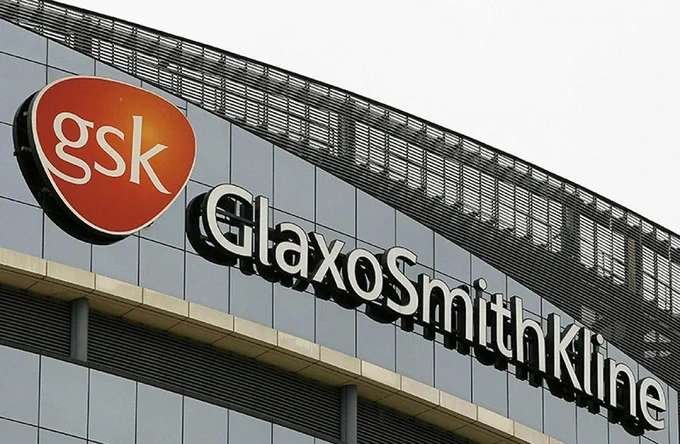
The United Kingdom has long claimed to be a world leader in life sciences, but GSK chief Dame Emma Walmsley believes the United States is the top place to invest in pharmaceuticals. By 2030, GSK plans to invest £23 billion in the US, focusing on the world’s largest and most profitable healthcare market.
Speaking to the BBC at GSK’s new London head office, Dame Emma said the US is the top market for new drug and vaccine launches and, along with China, is the best place for business development. She explained that other major pharmaceutical companies have scaled back or cancelled UK projects due to frustrations with NHS drug budgets and pressure from the Trump administration to move production to the US.
Even with a new zero-tariff agreement for UK pharmaceutical exports to the US, Walmsley said GSK will continue its American expansion. The agreement ensures US import taxes on UK-made medicines will not increase for three years, though it may mean higher costs for the NHS to buy drugs. Walmsley called this a step in the right direction for innovation.
Dame Emma pointed out that the US and UK markets are very different. “For GSK, 2% of our sales are here. Over half of them were in the US,” she said. Still, she emphasized GSK’s strong commitment to manufacturing and research in the UK. She added that, while the UK is a small domestic market, it has the potential to be a leader in life sciences innovation.
This investment news follows similar moves by rivals: US firm Merck (MSD in Europe) cancelled a £1 billion UK expansion, and AstraZeneca dropped plans for a £200 million research facility in Cambridge, shifting billions to US operations. Walmsley said the UK still offers fertile ground for research breakthroughs. She cited GSK’s new bi-annual asthma treatment, expected to reduce severe patient hospitalizations by 70 percent, as an example of British innovation. NHS approval is expected within weeks.
Walmsley discussed social and demographic factors that affect health in the UK. She noted that where you live can mean a 10- to 15-year difference in life expectancy, pointing to diet and lack of nutrition awareness as examples. She also reflected on differences between public and private healthcare, based on her experiences giving birth in London, Paris, and New York. She said there are big differences in advice, follow-up, hospital stays, and postnatal care, and that these should be considered alongside access and outcomes.
Walmsley also spoke about the potential of AI in healthcare. She is leaving GSK at the end of January after eight years as CEO. She said that 90 percent of projects in the industry fail, takes years, and cost billions. If the success rate doubled, it would transform innovation, and she believes technology will help speed up medical progress.
Despite the challenges and shifts in international investment, Dame Emma’s message was clear: health is a universal priority. She described GSK’s long-term strategy as both commercially and socially important, saying it is one of the few issues that everyone cares about.

