

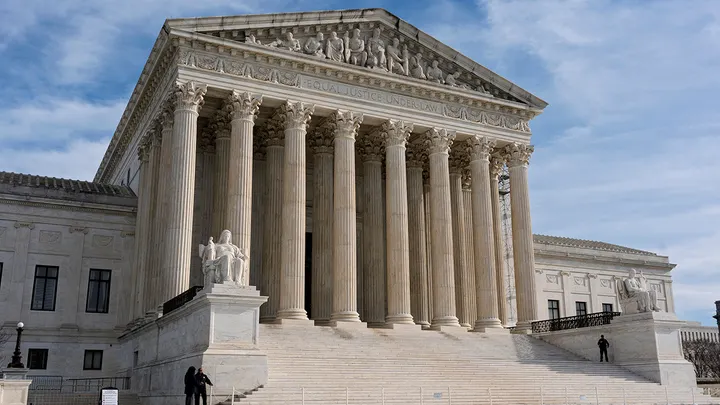
Home distilling enthusiasts across the United States could soon see a major legal change as the Supreme Court prepares to reconsider a nearly 160-year-old federal law prohibiting people from making distilled spirits at home.
The court announced this week that it will hear a legal challenge to the 1868 legislation, which restricts home distilling. Hobbyists and their supporters argue that the ban is unconstitutional and that Americans should have the same freedom to produce spirits at home that they already enjoy when brewing beer and making wine.
The Supreme Court is expected to hear the case early next year, with a ruling potentially arriving in the summer of 2027.
For enthusiasts, the decision could determine whether making homemade whiskey, bourbon and other spirits can finally become a legal hobby nationwide.
A Hobby That Could Carry Serious Penalties
Under current federal law, distilling alcohol at home can result in up to five years in prison, a $10,000 fine, or both.
Geno Stecks, a 66-year-old mechanic from Wyoming, began experimenting with homemade spirits two years ago. He has converted his dining room into what he calls his “shining room,” where he works on recipes, including his signature coffee-flavoured moonshine.
Despite the risks, Stecks sees home distilling as a rewarding pastime that allows him to develop new skills and share his creations with friends and neighbours.
Like other hobbyists, however, he has had to keep his activities quiet because of the federal restrictions.
The legal challenge could eventually allow enthusiasts like Stecks to pursue their interests without fearing prosecution.
Why the Law Is Being Challenged
The plaintiffs argue that Congress exceeded its constitutional authority when it restricted home distilling as part of efforts to collect federal alcohol taxes during the Reconstruction era.
Their lawyer, Robert Alt, has described the law as both unconstitutional and outdated, arguing that home distilling has deep roots in American history.
Supporters also point to George Washington, who operated a distillery at his Mount Vernon estate, as an example of the country’s long tradition of producing spirits.
Historian Daniel Pierce explained that early restrictions were largely intended to generate government revenue. Small farmers who distilled alcohol for additional income or to exchange goods often found the required taxes difficult to afford.
As a result, many small-scale producers faced a choice between abandoning the practice and continuing it illegally.
From Prohibition to a Modern Home-Distilling Revival
Home distilling became even more closely associated with illegal alcohol production during the US Prohibition era, which lasted from 1920 to 1933. The nationwide restrictions on alcohol created a thriving market for bootleggers and moonshiners.
Some used modified vehicles to transport illicit liquor and evade law enforcement. The tradition of modifying cars for speed and performance later became part of the history behind NASCAR.
Although Prohibition ended, federal restrictions on home distilling remained in place, and some families continued passing down recipes privately.
According to Pierce, interest in the hobby experienced a resurgence during the early 2000s, helped by reality television programmes such as Moonshiners, internet communities and popular culture.
Today, enthusiasts say they are drawn not only to the finished spirits but also to the science, engineering and creativity involved in developing recipes and blending flavours.
Hobbyists Want the Freedom to Experiment
Rick Morris, founder and president of the Hobby Distillers Association, is among those challenging the federal restrictions.
Morris began his journey in the beverage industry working with soda machines and bottled water before taking up home brewing with his wife. The couple later discovered that while brewing beer and making wine were legal, distilling those beverages into spirits was prohibited under federal law.
For Morris, the restriction made little sense given that the earlier stages of the process were permitted.
Ohio-based aerospace engineer John Ream shares that frustration. He began home brewing around 17 years ago after receiving a brewing kit from his wife, eventually moving his equipment from the kitchen to the garage.
Ream said learning about the federal ban prevented him from taking the next step into distilling. He later became involved in the legal challenge because he believes hobbyists should have an opportunity to pursue the craft lawfully.
Safety Concerns Remain a Major Obstacle
Not everyone supports legalising home distilling.
Courtney Armour, chief legal officer at the Distilled Spirits Council of the United States, warned that the process can pose significant risks, including fires, explosions and burns.
She also raised concerns about improperly produced alcohol and the possibility that accidents could affect not only the people making spirits but also their neighbours.
Commercial distilleries typically operate with established safety procedures and production controls, Armour said, while home environments may lack comparable safeguards.
These concerns are likely to remain part of the wider debate over whether federal restrictions should be lifted or replaced with a different regulatory framework.
Some States Already Allow Limited Home Distilling
Although federal law continues to prohibit home distilling, certain states have introduced their own legislation permitting limited production for personal use.
Missouri and New Hampshire are among the states that have adopted measures allowing some forms of home distilling.
Former Missouri state representative and distillery owner Don Gosen helped shape the state’s 1995 law, which allows residents to distil up to 100 gallons of spirits annually per person, subject to the state’s rules.
Gosen believes that legalising the hobby more broadly could encourage education, improve consumer knowledge and create opportunities for distilleries to offer classes and guidance.
He also suggested that many people already distil alcohol privately without fully understanding the federal restrictions.
What Happens Next?
The Supreme Court’s decision could reshape the legal landscape for home distilling across the United States. The central issue is whether the federal government has the constitutional authority to prohibit the practice under a law originally tied to taxation.
The case also raises broader questions about the balance between federal and state authority and how far the government can regulate activities carried out inside private homes.
If the court rules in favour of the challengers, home distillers could gain greater freedom to produce spirits, although the decision would not necessarily eliminate all state regulations or safety requirements.
For enthusiasts such as Stecks, Morris and Ream, the prospect of legalisation represents an opportunity to turn a closely guarded hobby into a recognised craft.
As the Supreme Court prepares to hear the case, the future of American home distilling now rests on a legal decision that could have consequences for hobbyists, regulators and the wider spirits industry.

