
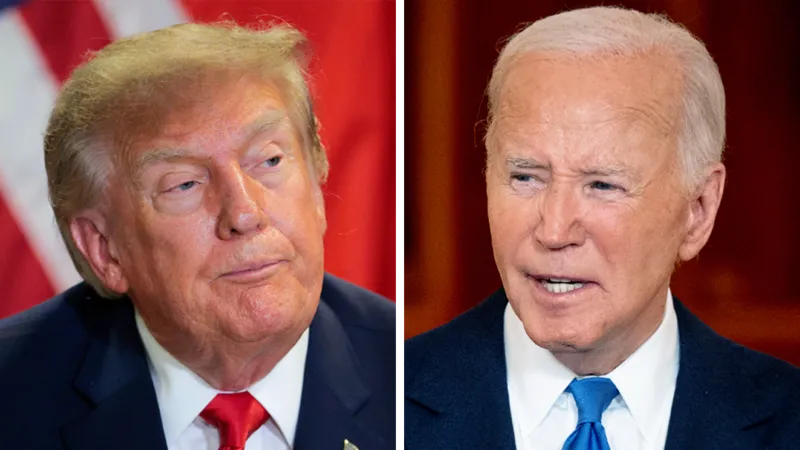
US President Donald Trump is confronting a familiar economic challenge: even when key economic indicators look relatively strong, voters may still feel that the economy is failing them.
The problem mirrors one faced by former President Joe Biden in 2024, when economic growth remained solid, unemployment was low and inflation was easing, yet many Americans continued to struggle with rising living costs.
Trump campaigned on a promise to bring prices down quickly. “When I win, I will immediately bring prices down,” he said during the 2024 election campaign. But delivering on that pledge has proved more difficult than expected.
Although economic growth has held up, unemployment remains low and the stock market is close to record highs, prices at supermarkets, petrol stations and other everyday essentials remain a major concern for households.
The latest inflation report before the midterm elections reinforces the gap between the administration’s economic message and the financial pressures many Americans say they are experiencing.
Strong Economic Figures, but Growing Public Frustration
US economic growth of 2.2% compares favourably with conditions in several other wealthy economies. Germany, for example, has struggled to achieve similar momentum. Meanwhile, the US unemployment rate has remained stable at 4.2%, offering little indication of an economy in serious decline.
Trump argues that he inherited a troubled economy from Biden and points to growth, investment and stock market performance as evidence that his policies are working.
Following the latest inflation report, White House spokesman Matthew Middleton said the administration’s “aggressive, pro-growth economic agenda” had blunted what he described as “Biden’s inflation crisis”.
Trump ally and economic commentator Larry Kudlow has also called the current expansion “the greatest story never told”, arguing that “nobody is getting fired”.
But many voters remain unconvinced. Their experience of the economy is shaped less by national growth figures than by the prices they encounter when shopping, filling their cars with fuel or paying household bills.
Wage growth is another concern. Average hourly earnings have increased by 3% over the past year, while consumer prices have risen by 3.7%. This gap means that rising wages have not kept pace with inflation, putting additional pressure on household purchasing power.
The disconnect helps explain why polls continue to show dissatisfaction with Trump’s handling of the economy.
Why Inflation Means Different Things to Economists and Voters
For Democrats, the situation brings back memories of Biden’s difficulties during the 2024 election campaign.
Veteran Democratic pollster Celinda Lake says the problem partly stems from the different ways economists and ordinary people understand inflation.
“When economists say inflation comes down, they mean the rate of increase has come down,” she explains.
“When voters say inflation has come down, they mean the price has returned to what it was. Well, of course, it never returns to what it was.”
During 2024, Biden’s administration repeatedly highlighted low unemployment, economic growth and declining inflation. Nevertheless, many voters remained focused on the higher prices they were paying for everyday goods and services.
Lake, who advised Biden’s 2020 campaign but was not involved in his 2024 race, argues that people judge the economy through their own financial experiences rather than through headline statistics.
“You can’t argue with people about their own lived reality,” she says.
That distinction is now central to Trump’s economic challenge. Even if inflation slows, consumers may continue to feel worse off if prices remain substantially higher than they were before the recent period of increases.
Trump’s Policies Add to the Pressure
There are also important differences between the economic circumstances confronting Biden and Trump.
Biden faced the aftermath of the Covid-19 pandemic, including supply-chain disruptions that contributed to higher prices. Trump, by contrast, faces criticism that some of his own policies have added to inflationary pressures.
These include tariffs imposed on imported goods and the economic consequences of the conflict involving the United States, Israel and Iran, which has pushed energy prices higher.
Peter Morici, an economist at the University of Maryland who aligns with Republicans, argues that Trump bears responsibility for the current inflation pressures.
“The inflation is clearly traceable to Donald Trump,” Morici says.
“It’s his tariffs and the war. People know that. They see it.”
Trump’s so-called “Liberation Day” tariffs, announced in April 2025, have contributed to higher consumer costs. A study by the Federal Reserve Bank of New York found that the tariffs increased consumer goods prices by approximately 2.9%.
The impact could have been greater had Trump not subsequently paused some tariffs, negotiated new trade agreements and faced a Supreme Court ruling that blocked the use of emergency powers for many of the measures.
However, the subsequent rise in oil prices following the conflict with Iran created another challenge, increasing petrol costs and adding to the pressure on household budgets.
White House Looks for Ways to Ease Household Costs
The Trump administration maintains that its policies are benefiting American families. It points to tax cuts, job growth and lower prescription drug costs as evidence of progress.
At the same time, the White House is increasingly backing proposals intended to address concerns about affordability.
Trump has called for a cap on credit card interest rates and floated the possibility of a $5,000 payment to American adults if Republicans retain control of Congress.
Such proposals reflect the political importance of the cost of living. When households are worried about paying bills and buying necessities, arguments about economic growth and low unemployment may not be enough to convince them that conditions are improving.
For both parties, the challenge is translating positive national economic figures into a sense of financial security that people can actually feel.
The Midterm Elections Could Turn on Economic Perceptions
Biden struggled to persuade voters that the economy was performing well despite improvements in several major indicators. Trump now faces a similar test, although tariffs and higher energy costs have given critics additional grounds to question his approach.
The central issue is whether voters believe their financial circumstances are improving, not simply whether the economy is expanding.
As the 2026 midterm elections approach, the administration must contend with a difficult reality: economic data can tell one story while household experiences tell another.
If recent political history offers any lesson, it is that voters’ perceptions of the economy may prove just as important as the figures themselves.

