

Ukrainian President Volodymyr Zelensky has expressed support for a proposed energy ceasefire announced by US President Donald Trump, while accusing Russia of continuing to attack Ukrainian power facilities after the American leader declared the arrangement effective immediately.
Trump announced that Russia and Ukraine had agreed to halt attacks on energy infrastructure but offered few details about the reported agreement. Zelensky initially said the announcement was news to him before confirming that Kyiv was prepared to stop striking Russian energy facilities if Moscow demonstrated the same commitment.
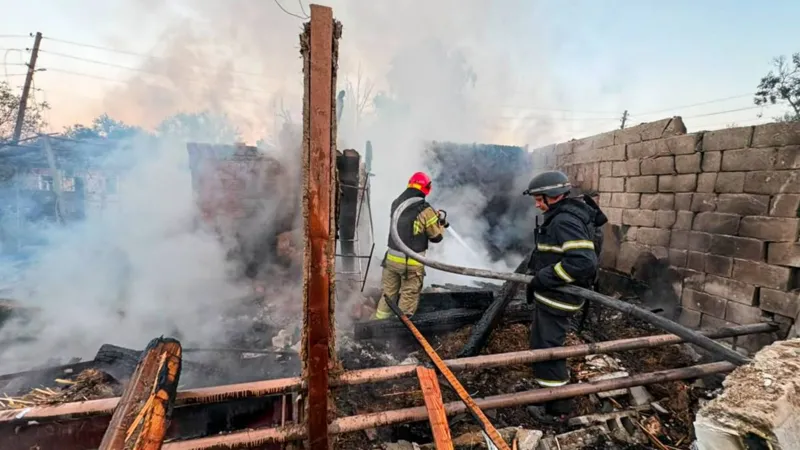
The Ukrainian president said his officials were awaiting clarification about Washington’s discussions with Russia. He later reported that a drone had struck a power plant in Kyiv, causing electricity disruptions, followed by attacks on energy facilities in the northeastern Kharkiv region.
Russian Diesel Deal Fuels Dispute Over Energy Ceasefire
The ceasefire proposal comes amid growing tensions over a separate arrangement that would allow Russian diesel to reach the United States and international markets, temporarily reversing restrictions on Russian imports.
Trump has been pressing Ukraine to stop attacking Russian oil infrastructure, arguing for an approach that would allow the diesel deal to proceed. Kyiv maintains that strikes on Russian energy facilities are necessary to limit Moscow’s ability to finance its invasion.
Zelensky has described the diesel arrangement as a gift to Russian President Vladimir Putin. The proposal has also drawn criticism from European officials and politicians in both major US political parties.
Seven US senators, including four Republicans and three Democrats, issued a statement arguing that the agreement contradicted legislation prohibiting Russian energy imports while Moscow continued its aggression against Ukraine. Republican Senator Thom Tillis warned that the arrangement would put American lives at risk.
Support for Trump’s ceasefire announcement has been more widespread among some international leaders. British Prime Minister Andy Burnham said the UK strongly supported the call for an immediate and sustained halt to energy attacks, while France, Canada and the European Union also expressed support.
However, the continued strikes have raised questions about whether the proposed arrangement can deliver a meaningful reduction in attacks. Russia maintains that the energy installations it targets support Ukraine’s military operations, while Kyiv argues that its own strikes are intended to weaken Russia’s war financing.
The dispute also comes amid strained relations between Trump and Zelensky. Trump recently criticised the Ukrainian leader over attacks on Russian refineries and suggested Ukraine should elect a new president. Zelensky has said he would hold elections if Russia agreed to a 60-day total ceasefire, despite wartime restrictions on voting.
For energy markets and international policymakers, the outcome matters because attacks on infrastructure and changes to Russian fuel restrictions could affect supply stability, sanctions policy and the wider economic consequences of the war. Meanwhile, fighting continues, with regional officials reporting fatalities from attacks in Ukraine and Russian territory.

