
The US Federal Reserve has kept interest rates unchanged at 3.75% to 4%, opting to assess more economic data before deciding whether further increases are necessary.
The decision comes less than a week before the US midterm elections and follows the central bank’s first interest rate increase in three years at its September meeting.
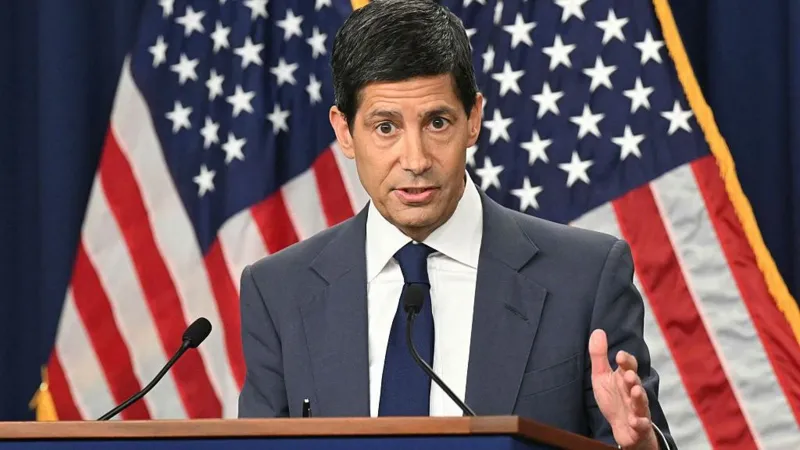
Federal Reserve Chair Kevin Warsh said the previous increase appeared to be having an effect, suggesting that the central bank’s efforts to control inflation were beginning to show results.
“The overwhelming consensus, the overwhelming judgement, is that what we’ve done in this monetary medicine is starting to work some,” Warsh said.
However, inflation remains above the Fed’s target, leaving policymakers balancing the need to control rising prices against the risk of slowing economic growth.
Why Did the Fed Keep Rates Unchanged?
The Federal Reserve said it wanted more information about the state of the economy before making another policy decision.
Although inflation remains elevated, officials noted that the US economy has continued to demonstrate resilience. Warsh also pointed to tightening credit conditions as a sign that economic activity could be moving in the desired direction.
More economic data is expected before the Fed’s next meeting, scheduled for 8–9 December. Warsh said the additional information should help policymakers determine the appropriate direction for interest rates.
The decision was not unanimous. Ten of the 12 members of the policy committee voted to maintain the current range, while Governor Lisa Cook and Cleveland Fed President Beth Hammack supported another increase, which would have taken rates to between 4% and 4.25%.
Although the committee had previously indicated that another increase could occur before the end of the year, Warsh declined to predict its next move.
“A lot of things can happen, so I’m not going to be able to share with you my musings,” he said.
What Is the Federal Reserve Interest Rate?
The Federal Reserve influences borrowing costs and savings returns across the US economy through its target range for the federal funds rate. This is the rate banks use when lending money to one another overnight.
Changes to this benchmark can affect the interest rates offered by commercial banks and other financial institutions on mortgages, credit cards, car loans, business financing and savings accounts.
The Fed’s broader objectives include bringing inflation towards its 2% annual target while supporting a stable labour market.
When inflation is too high, the central bank generally raises interest rates to discourage borrowing and spending. When inflation is low or economic activity needs support, it may lower rates to encourage borrowing, investment and consumption.
What the Decision Means for Mortgages and Loans
Keeping rates unchanged means borrowing costs are less likely to experience an immediate change directly attributable to this Fed decision. However, lenders’ rates can still move in response to other economic developments and financial-market expectations.
For prospective homebuyers and homeowners refinancing their mortgages, borrowing costs may remain elevated compared with periods when interest rates were much lower. Credit card balances and car loans may also remain expensive, particularly where rates are variable.
Businesses could continue to face relatively high financing costs when borrowing to expand, invest or hire workers.
The decision does not guarantee that all loan rates will remain unchanged. Mortgage rates and other borrowing costs can respond to inflation data, bond yields, lender policies and expectations about future Fed decisions.
What It Means for Savings
Higher interest rates can benefit savers by allowing banks to offer better returns on deposits and other interest-bearing accounts.
By holding rates steady, the Fed has left the benchmark unchanged, meaning there is less immediate pressure for savings rates to rise because of a new policy increase. Actual returns will depend on individual banks and the types of accounts offered.
The broader policy aims to encourage saving and reduce spending when inflation is elevated, helping to ease demand and slow price increases.
How US Interest Rates Have Changed
US interest rates have moved significantly over the past several years.
During the COVID-19 pandemic, the Fed lowered its target range to between 0% and 0.25% to support the economy. As inflation subsequently increased, policymakers raised rates sharply, with the upper end reaching 5.5% in 2023 and remaining elevated into 2024.
Rates then declined gradually through 2025 and early 2026 before the Fed raised them again at its September 2026 meeting, according to the reported timeline.
The latest decision leaves the target range at 3.75% to 4% while officials assess whether inflation is easing sufficiently to avoid further tightening.
What Happens Next?
The Fed’s next policy meeting will take place on 8–9 December, when officials will have access to additional economic information to guide their decision.
For households, businesses and investors, the key question is whether inflation will fall enough to allow policymakers to keep rates steady or eventually begin cutting them again.
For now, the central bank is maintaining its current position, signalling that it wants clearer evidence about inflation and economic conditions before taking its next step.

